





Wildlife rehabilitation is often a quiet, behind the scenes effort, writes Miriam Kimvangu.

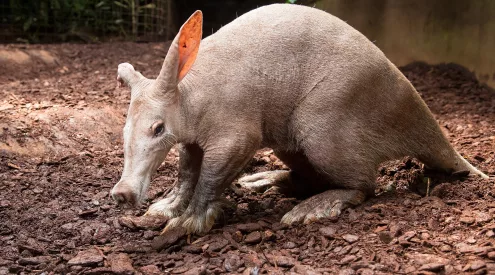
Cango Wildlife Ranch, Oudtshoorn/Domenico Convertini/Wikimedia Commons
When done responsibly, tourism can help fund conservation work while offering travellers a deeper understanding of the region’s wildlife challenges. Visiting a rehabilitation centre is very different from a traditional safari. The goal is not entertainment. Instead, these spaces focus on rescue, recovery, research and education. Responsible centres limit human interaction, prioritise animal welfare, and use visitor income to support veterinary care, habitat protection and conservation programmes.
If you are curious about wildlife conservation and want your travel to have a positive impact, these four centres offer meaningful ways to learn while supporting important work.
Cango Wildlife Ranch
Set at the foot of the Swartberg Mountains in the Klein Karoo, Cango Wildlife Ranch is one of South Africa’s most established wildlife facilities. While many travellers know the area for the nearby Cango Caves, the ranch has become an important conservation hub in its own right.
View this post on Instagram
The centre focuses strongly on endangered species education. Its programmes support global conservation initiatives, including breeding projects for threatened animals and research into wildlife protection. Visitors move through carefully designed habitats while learning about issues such as habitat loss, illegal wildlife trade and the pressures facing predators in the wild.
Education is central to the experience. Guided tours explain how responsible wildlife tourism differs from exploitative animal encounters. Staff members emphasise the importance of observing animals respectfully and supporting facilities that follow ethical guidelines.
Moholoholo Wildlife Rehabilitation Centre
Near the town of Hoedspruit, close to the edge of the Greater Kruger region, Moholoholo Wildlife Rehabilitation Centre has spent decades caring for injured and orphaned animals.
The centre’s mission is straightforward. Rescue animals that have been injured by snares, power lines, vehicles or human conflict. Provide veterinary care and rehabilitation. Release them back into the wild whenever possible.
Visitors can join guided educational tours that introduce some of the animals currently undergoing rehabilitation. Many of these animals cannot return to the wild due to permanent injuries. They remain at the centre as ambassadors that help educate the public about conservation threats. The tours focus heavily on awareness. Guides speak openly about poaching, snaring and the illegal wildlife trade. It can be a sobering experience, but it also highlights the importance of ongoing conservation work across the region.
N/a’an ku sê Foundation
Just outside Windhoek lies the N/a’an ku sê Foundation, a conservation organisation that combines wildlife rehabilitation with community outreach and environmental education.
View this post on Instagram
The foundation focuses on animals affected by human wildlife conflict. Predators such as cheetahs, leopards and caracals often come into conflict with livestock farming. N/a’an ku sê works to rescue and rehabilitate injured animals while also helping local communities find solutions that protect both livelihoods and wildlife.
Visitors can join guided experiences at the sanctuary, where conservation staff explain the challenges facing Namibia’s predators. The emphasis is on learning rather than entertainment. Guests are encouraged to understand the ecological role of predators and the delicate balance between wildlife conservation and rural communities. The organisation also runs a wildlife hospital and research programmes that contribute to long term conservation strategies in Namibia.
VulPro
Vultures are among the most misunderstood birds in Africa, yet they play an essential ecological role. As nature’s clean up crew, they prevent the spread of disease by rapidly removing carcasses from the landscape.
View this post on Instagram
VulPro is a leading conservation organisation dedicated to protecting Africa’s endangered vulture species. Based in South Africa, the organisation focuses on rescue, rehabilitation, captive breeding and research.
Poisoning and habitat loss have caused steep declines in vulture populations across the continent. VulPro works to counter this trend by treating injured birds, running breeding programmes and releasing vultures back into safe environments. Visitors can learn about these efforts through guided experiences that explain the importance of vultures in healthy ecosystems. Seeing these powerful birds up close often changes perceptions and highlights why their protection matters.
Follow us on social media for more travel news, inspiration, and guides. You can also tag us to be featured.
TikTok | Instagram | Facebook | Twitter
ALSO READ:
Small towns with big creativity: 4 art destinations across Southern Africa





.jpg)