



Hands-on travel has shifted from watching to doing, with creative workshops offering a deeper way to connect with a place. Clay under your fingernails, dye staining your hands, or a woven basket taking shape becomes a souvenir that carries memory and meaning.
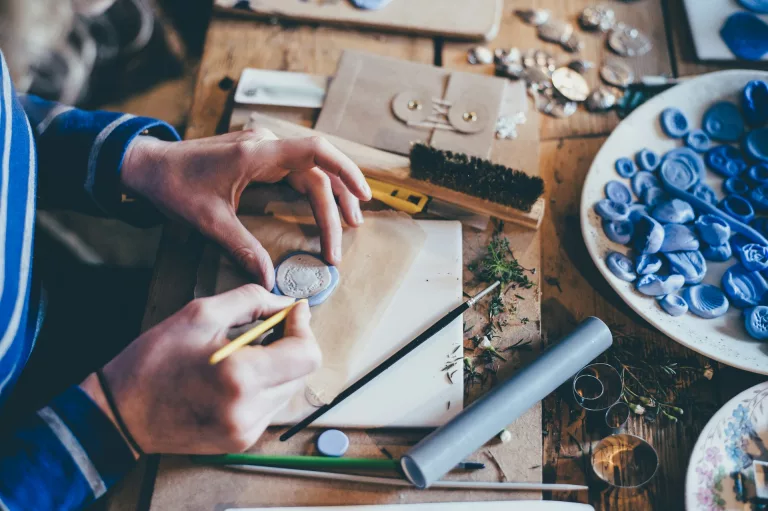
Image used for illustrative purposes/Annie Spratt/Unsplash
Across South Africa and Eswatini, artists and makers are opening their studios to travellers who want to participate rather than observe, writes Lee-Ann Steyn.
Why creative travel leaves a lasting mark
Creative workshops slow the pace of travel and replace ticking off sights with learning a skill rooted in local culture. Each session becomes a conversation between traveller and maker, shaped by place, story, and tradition. This kind of travel appeals to curious adults, solo travellers, and families looking for experiences that go beyond the usual itinerary.
Clay, fibre and community in South Africa
View this post on Instagram
Riebeek Valley pottery studios in the Swartland
The villages of Riebeek Kasteel and Riebeek West are known for wheat fields, wine farms, and a quietly thriving art scene. During open studio weekends and annual art events, potters invite visitors into their workspaces in the Riebeek Valley. Travellers can watch vessels take shape on the wheel, ask questions about firing techniques, and in some cases join short, informal clay sessions. The experience feels intimate and unhurried, matching the valley’s rural rhythm.
Weaving and craft workshops in Hogsback
Mist, forest trails, and a long-standing creative culture define Hogsback. Local arts centres and independent makers host weaving, textile, and pottery workshops that range from a few hours to multi-day intensives. Sessions often draw on natural fibres and traditional methods, allowing travellers to understand how craft connects to landscape. Time spent here feels restorative and tactile, ideal for travellers craving creative focus and quiet.
Ceramic spaces in Kalk Bay
Along the False Bay coastline, Kalk Bay blends fishing village charm with a strong maker identity. Small ceramic studios and shared creative spaces offer beginner-friendly classes in hand-building and glazing. Workshops are easy to slot into a coastal weekend, pairing studio time with harbour walks and seafood lunches. Pieces created here often reflect the colours and textures of the sea just metres away.
Township art sessions in Maboneng, Johannesburg
Johannesburg’s inner city is home to one of the country’s most dynamic creative precincts. In Maboneng Precinct, guided township art experiences introduce travellers to local artists, muralists, and community studios. Some sessions include collaborative art-making, print workshops, or painting alongside resident creatives. These experiences foreground storytelling and lived experience, turning art into a bridge between visitor and city.
ALSO READ:
Cross-border creativity in Eswatini
View this post on Instagram
Craft villages and traditional making in Eswatini
Eswatini’s craft culture is deeply rooted in community and tradition. Across rural craft villages, travellers can try basket weaving, batik printing, and beadwork while learning about techniques passed down through generations. Visits often include demonstrations at iconic centres like Swazi Candles and Ngwenya Glass, where visitors can watch artisans work and attempt simple design steps themselves. The result is cultural exchange rather than passive consumption.
Other creative stops to add to your itinerary
View this post on Instagram
Montebello Design Centre, Cape Town
Tucked beneath trees in Newlands, the Montebello Design Centre is a hub for jewellery makers, ceramicists, textile artists, and illustrators. Open studio days and scheduled workshops allow travellers to engage directly with working artists while exploring the intersection of design and heritage.
Rorke’s Drift Art and Craft Centre, KwaZulu-Natal
With a history tied to community upliftment and artistic excellence, the Rorke’s Drift Art and Craft Centre is known for weaving, printmaking, and ceramics. Visitors can observe traditional processes and, depending on timing, participate in demonstrations that reveal how craft supports local livelihoods.
Planning a creative travel experience
Booking is essential, especially for small-group workshops. Many studios align sessions with festivals or seasonal events, so timing matters. Travellers should pack clothes suitable for mess and curiosity, as creative work rarely stays tidy. Finished pieces may need time to dry or fire, so shipping options are worth asking about early.
Why this kind of travel should be considered
Creative workshops offer more than skills. They create connection, respect for process, and an appreciation for the labour behind handmade objects. Travel becomes participatory, grounded, and memorable, shaped by people rather than places alone.
Follow us on social media for more travel news, inspiration, and guides. You can also tag us to be featured.
TikTok | Instagram | Facebook | Twitter
ALSO READ:
Landscapes in Africa That change dramatically with the light