



For most travellers heading to South Africa, malaria is rarely something they need to worry about. From Johannesburg’s buzzing streets to the dramatic Garden Route coastline and the beaches of the Eastern Cape, the majority of the country sits comfortably outside malaria zones.

Source: Johns Hopkins Medicine
According to travelnews.africa, each year, as summer rains sweep across the north-eastern corner of the country, health experts keep a close eye on malaria risk areas. Now, with peak transmission season underway, South Africa has released an updated malaria risk map to guide travellers, tour operators and safari planners.
The update offers a clearer picture of where caution is needed and where visitors can explore freely without concern.
Most of South Africa remains malaria-free
One of the biggest takeaways from the latest assessment is reassuring. The overwhelming majority of South Africa has no malaria transmission at all.
Major tourism hubs, including Johannesburg, Cape Town, the Garden Route and the Eastern Cape, remain completely malaria-free. The same applies to the Free State, Northern Cape and most of North West province.
For travellers exploring these destinations, there is no need for antimalarial medication, making travel planning much simpler. It also means many first-time visitors can focus on enjoying the country’s cities, beaches and cultural attractions without worrying about tropical disease risks.
Where malaria risk still exists
The picture changes in South Africa’s north-eastern corner, where malaria remains a seasonal concern.
According to the updated risk map, the areas requiring the most attention include parts of Limpopo province, particularly regions close to the borders of Zimbabwe and Mozambique. Mpumalanga’s Lowveld region also falls inside the transmission zone, along with northern KwaZulu-Natal, specifically the Maputaland area.
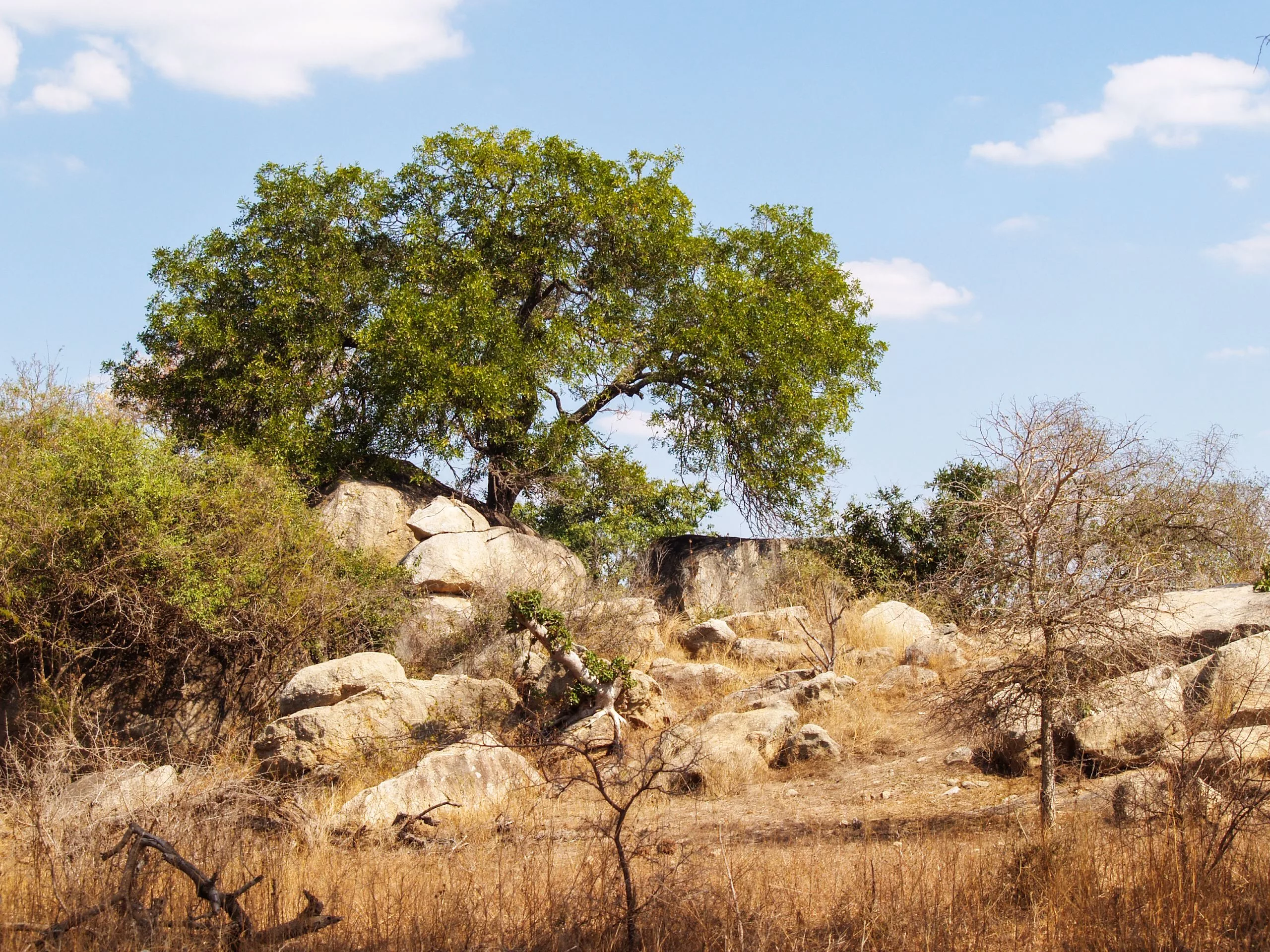
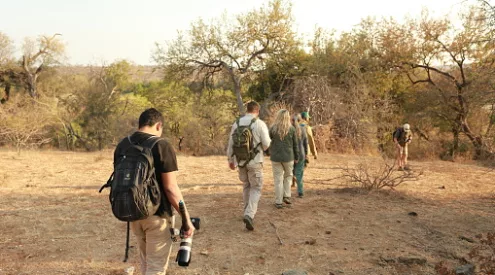
These regions are also home to some of South Africa’s most iconic wildlife destinations. The Kruger National Park and surrounding safari reserves sit squarely within this zone, which means travellers visiting these areas should plan ahead.
Why timing matters during malaria season
Malaria transmission in South Africa is strongly linked to seasonal weather patterns.
The risk period generally runs from September through to May. Warmer temperatures and summer rainfall create the perfect breeding conditions for mosquitoes that carry the disease.
The most active months usually fall between January and April, when mosquito populations are at their highest. During winter, from June to August, cases drop significantly, although isolated infections can still occur.
For safari travellers visiting during the summer months, awareness and preparation become especially important.
Simple precautions travellers should follow
The mosquito responsible for malaria bites mostly during the evening and overnight hours. Because of this, most prevention advice focuses on protection after sunset.
Travellers are encouraged to use insect repellent with effective active ingredients, wear clothing that covers arms and legs at night, and sleep under mosquito nets where available. Many safari lodges already provide additional protection through screened windows or air-conditioned rooms.
For people spending time in higher-risk zones such as Kruger National Park or surrounding Lowveld reserves, antimalarial medication is often recommended. Medical professionals typically determine the right option based on personal health factors such as age, pregnancy status and travel duration.
Consulting a doctor or travel clinic before departure remains the safest approach.
Knowing the warning signs of malaria
Understanding the symptoms of malaria can make a significant difference if infection occurs.
Early signs often resemble flu-like illness and may include fever, chills, headaches, muscle pain and nausea. These symptoms usually appear between seven and fifteen days after a mosquito bite, but can sometimes develop weeks later.
Travellers who experience illness after visiting malaria risk areas are advised to inform medical professionals about their travel history, as early treatment is critical.
The bigger picture for travellers
South Africa has made significant progress in reducing malaria cases over the years. Health authorities continue working toward the eventual elimination of the disease within the country.
However, neighbouring regions in Mozambique and Zimbabwe remain higher transmission zones, which means cross-border mosquito movement still affects certain areas in northern South Africa.
For travellers and safari planners, the updated malaria risk map serves as a practical reminder. With the right preparation and simple precautions, visiting South Africa’s wildlife regions remains safe and highly rewarding.
And for the vast majority of the country, travellers can continue exploring freely without malaria concerns at all.
Follow us on social media for more travel news, inspiration, and guides. You can also tag us to be featured.
TikTok | Instagram | Facebook
ALSO READ:
South African airport arrivals surge 7.9% as travel demand keeps climbing