



Oribi Gorge reveals a wilder side of the province. Here, ancient sandstone cliffs plunge towards a winding river, forested slopes shelter rich birdlife, and waterfalls tumble through a landscape shaped over millions of years.
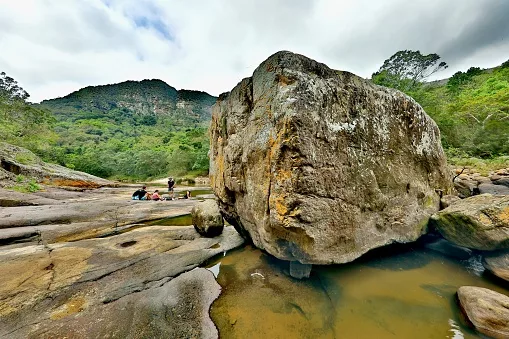
The scenic Oribi Gorge Nature Reserve lies some 25 km inland from Port Shepstone/By: wildacad/iStock
From scenic viewpoints and peaceful walking trails to exhilarating adventures above the gorge, this dramatic natural escape offers plenty of reasons to venture beyond the coast.
A landscape shaped by water and time
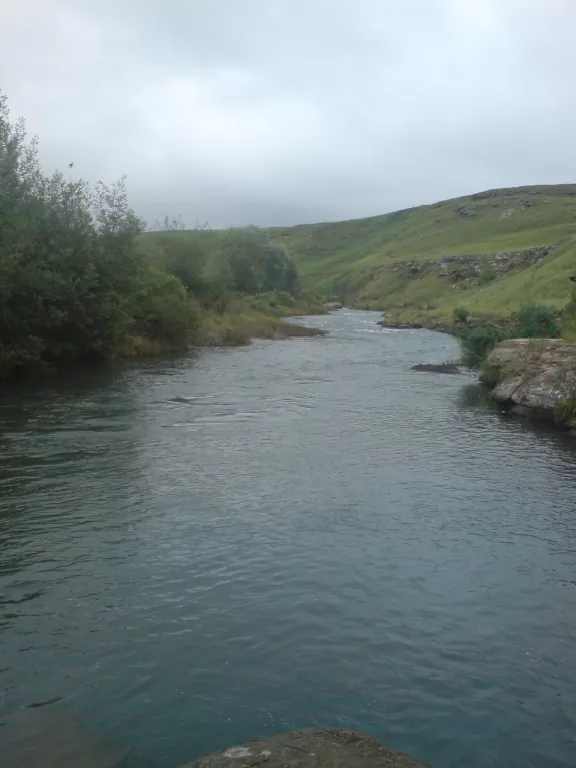
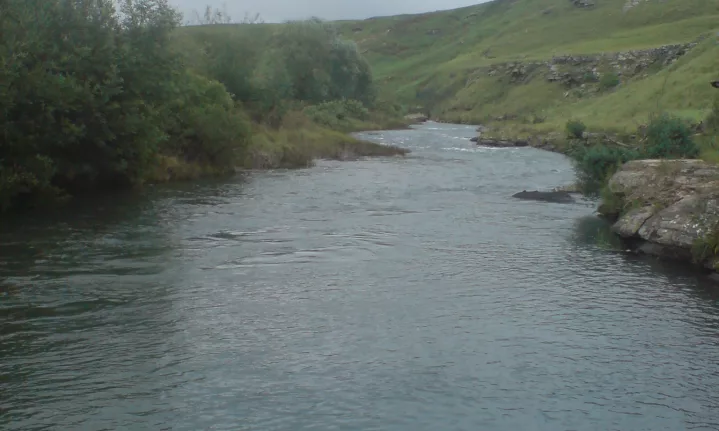
Mzimkulu River near Underberg/Smurfatefrog at English Wikipedia/Wikimedia Commons
Located approximately 25km inland from Port Shepstone, Oribi Gorge is one of the most striking natural landmarks on KwaZulu-Natal’s South Coast. Its rugged scenery provides a sharp contrast to the region’s sandy beaches, coastal towns and warm Indian Ocean waters.
The gorge was carved over millions of years as the Umzimkhulu River cut through ancient sandstone, creating steep cliffs, deep ravines and a winding valley. Some of the exposed rock formations date back hundreds of millions of years, revealing the geological history beneath the region’s green landscape.
Today, the river remains central to the gorge’s character. From elevated viewpoints, visitors can look across the dramatic rock faces towards the valley below, where forest and riverine vegetation follow the contours of the terrain. The surrounding plateau combines grassland, woodland and patches of indigenous forest, creating a varied landscape that rewards a slower exploration.
Part of the appeal lies in the way the scenery changes with the light. Morning mist can soften the distant cliffs, while clear afternoons reveal the depth and scale of the gorge. After rainfall, the surrounding vegetation becomes particularly lush, and waterfalls may appear more impressive.
ALSO READ:
Cliffs, waterfalls and unforgettable viewpoints
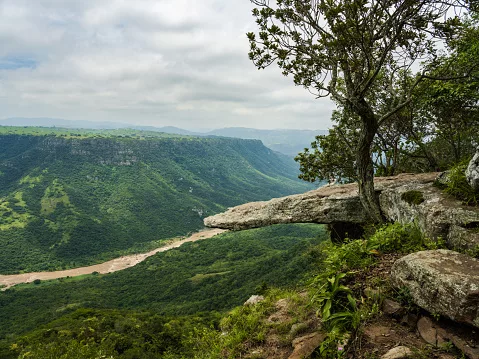
The Overhanging leopard rock with sweeping views over the majestic Umzimkulu River Gorge in Shepstone/By: Arnold Petersen/iStock
The famous Leopard Rock
One of the best-known landmarks in the area is Leopard Rock, a distinctive overhanging sandstone ledge that has become synonymous with Oribi Gorge. The viewpoint offers sweeping views across the surrounding cliffs and vegetation, making it a popular stop for photographers and visitors wanting to appreciate the scale of the landscape.
The site is also associated with a coffee shop and lookout accommodation, giving visitors an opportunity to pause for a meal or refreshments while taking in the scenery. Access to the overhanging rock may involve a fee, so it is worth checking the arrangements before visiting.
Beyond Leopard Rock, several other viewpoints reveal different aspects of the gorge. Rock formations rise from the valley, cliff edges frame distant hills, and the river appears in glimpses far below. Each stop offers a different perspective on the landscape.
Waterfalls hidden in the gorge
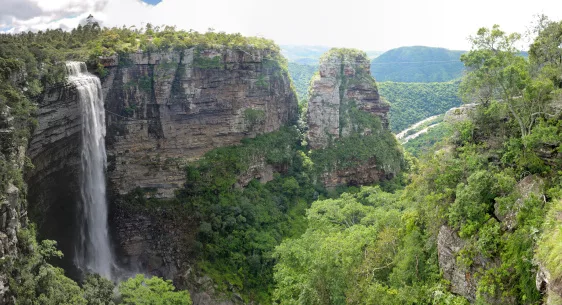
Lehr’s Falls Oribi Gorge, Kwazulu-Natal/By: GroblerduPreez/iStock
Waterfalls add another dimension to Oribi Gorge’s rugged beauty. Lehr’s Falls and Samango Falls are among the natural attractions associated with the area, drawing attention to the way water continues to shape the landscape.
Lehr’s Falls is particularly well known, with water spilling over a high rock face into the gorge. The surrounding cliffs and vegetation create a dramatic setting, whether viewed from designated lookout points or experienced as part of an organised adventure.
The waterfalls also reinforce the importance of exploring responsibly. Visitors should use established viewpoints and follow local guidance rather than approaching unstable cliff edges or attempting to reach watercourses through unmarked routes.
Hiking through a world of forests and ravines
For visitors who prefer to explore on foot, Oribi Gorge offers opportunities to experience its scenery beyond the main roadside viewpoints. Walking trails and designated routes lead through sections of the reserve, allowing hikers to appreciate the relationship between the plateau, forested slopes and river valley.
Depending on the route, a walk may reveal indigenous vegetation, exposed sandstone, birds moving through the canopy and wide views across the gorge. Some trails are relatively gentle, while others require greater fitness and more time. Visitors should confirm current trail availability, distances and difficulty with the reserve before setting out.
The best approach is to plan around the experience you want. A short walk between viewpoints can suit visitors on a day trip, while a longer hike allows more time to appreciate the landscape at a slower pace. Sturdy footwear, drinking water, sun protection and a charged phone are sensible essentials.
Conditions can change after rain, and paths near steep drops require particular care. It is important to remain on marked routes, respect closures and avoid getting too close to unprotected cliff edges.
A haven for birdlife and indigenous vegetation
Oribi Gorge is more than a scenic attraction. Its combination of grassland, woodland, coastal bush and riverine forest creates habitats for a remarkable variety of plants and animals.
Regional tourism and birding sources record hundreds of bird species in the wider gorge area. Among the species that attract particular interest are the Knysna turaco, African finfoot, African wood owl and African broadbill. The mix of habitats makes the area rewarding for birdwatchers, although sightings depend on the season, location and conditions.
The Cape vulture is another important feature of the local wildlife story. A viewing hide near Oribi Gorge provides opportunities to observe these threatened birds as part of a conservation-focused experience. Because the hide operates by arrangement, visitors should confirm availability and make a booking before travelling.
Mammals also inhabit the surrounding landscape, including small antelope and species associated with forest and river habitats. The reserve takes its name from the oribi, a small antelope that is increasingly uncommon and can be difficult to spot. Wildlife sightings are never guaranteed, but patient observation adds another layer to a visit.
The variety of habitats is a reminder that the gorge’s value extends beyond its dramatic views. Protecting the vegetation, river systems and cliff environments helps sustain the wildlife that depends on them.
Adventure above the river
While Oribi Gorge appeals to hikers and nature lovers, it is also one of the South Coast’s best-known destinations for outdoor adventure. Its cliffs and deep valley provide a natural setting for activities that bring visitors closer to the landscape in more exhilarating ways.
Organised experiences in the wider area include gorge swings, ziplining, abseiling and suspension bridges. These activities offer a different perspective on the scale of the gorge, with some routes carrying participants high above the tree canopy or along exposed rock faces.
Adventure operators may offer different activities, age requirements and safety procedures, so it is worth checking the details before booking. Weather conditions can also affect availability.
Visitors who prefer to keep their feet firmly on the ground can enjoy the viewpoints, photography, birdwatching and walks instead. There is no need to take on an adrenaline activity to appreciate Oribi Gorge; much of its appeal lies in simply looking out across the landscape and listening to the sounds of the surrounding bush.
Extend the journey to Lake Eland
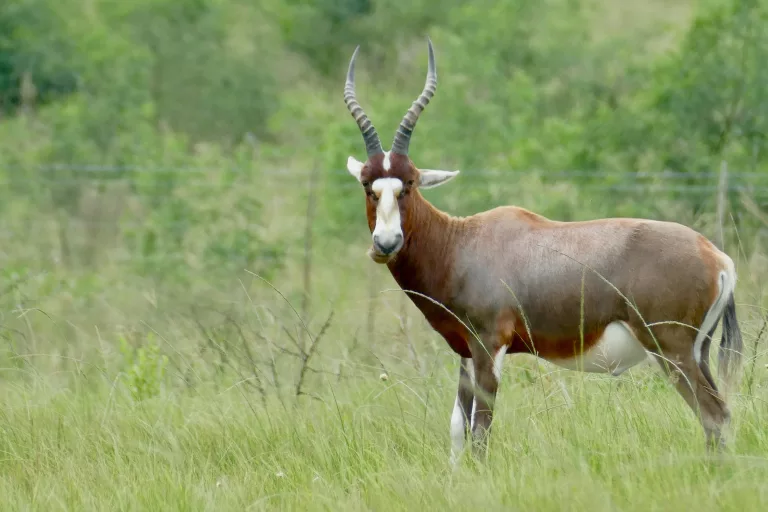
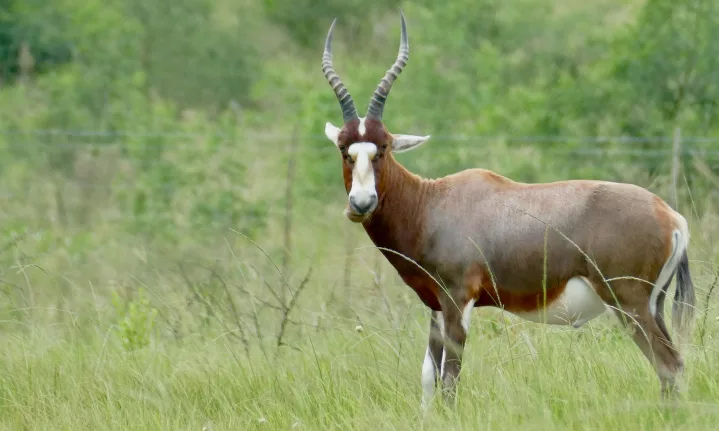
Blesbok in Lake Eland Game Reserve/Bernard DUPONT from FRANCE/Wikimedia Commons
For those with more time, Lake Eland Game Reserve is a worthwhile addition to an Oribi Gorge itinerary. The nearby reserve offers a range of outdoor experiences, including game drives, walking and cycling routes, horse riding, viewpoints and adventure activities.
Its varied terrain provides another way to explore the South Coast’s inland environment, combining open spaces with opportunities to observe wildlife and enjoy the scenery. Visitors can choose a relaxed outing or build a more active day around several experiences.
Combining Oribi Gorge with Lake Eland also makes it easier to turn a brief excursion inland into a longer stay. The region has accommodation options ranging from campsites and self-catering facilities to guest farms and lodges, allowing travellers to plan according to their preferred pace and budget. Availability and facilities vary, so advance enquiries are recommended.
Planning a visit to Oribi Gorge
Oribi Gorge is accessible by road from Port Shepstone and makes a practical day trip from parts of KwaZulu-Natal’s South Coast. However, visitors who want to hike, explore several viewpoints and take part in organised activities may prefer to stay overnight.
Before leaving, check access arrangements and opening times for the specific reserve, viewpoint or attraction you intend to visit. The gorge and surrounding area include different facilities and privately operated activities, so opening hours, entry fees and booking requirements may not be the same everywhere.
Pack comfortable walking shoes, water, sun protection and a camera or binoculars if birdwatching is on the agenda. If rain is forecast, check trail conditions and activity availability before setting out.
Swimming in the rivers is discouraged in visitor information because of the risk of bilharzia. Follow local safety advice, keep to designated paths and respect wildlife and conservation areas.
Follow us on social media for more travel news, inspiration, and guides. You can also tag us to be featured.
Instagram | Facebook | Twitter | Spotify
ALSO READ:
48 hours in Bedford: The Eastern Cape village that opens its gardens