






In a continent famous for its wildlife, Ethiopia has quietly been building one of Africa’s most remarkable conservation stories. Now, six decades after launching formal wildlife protection efforts, the country is celebrating a milestone that is turning heads across the global travel industry.
Source: Timbuktu Travel
According to travelnews.africa, the Ethiopian Wildlife Conservation Authority recently marked its 60th anniversary, highlighting years of work protecting ecosystems, expanding national parks, and safeguarding some of the rarest animals on Earth. The anniversary ceremony brought together government leaders, conservation experts, and tourism stakeholders to reflect on how protecting wildlife is also shaping Ethiopia’s future as a leading ecotourism destination.
Tourism State Minister Sileshi Girma described the milestone as proof that long-term conservation can deliver real benefits for both nature and people. According to the minister, Ethiopia’s natural diversity is now recognised as one of the country’s strongest tourism assets.
A country home to wildlife found nowhere else
Part of Ethiopia’s appeal lies in its extraordinary wildlife. Several of the country’s most iconic animals cannot be found anywhere else on Earth.
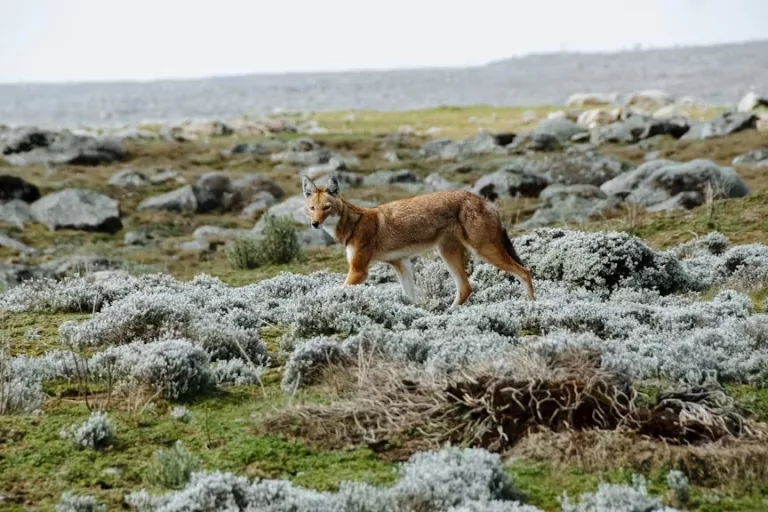
Among them is the Ethiopian wolf, often considered Africa’s most endangered carnivore. The Walia ibex, a mountain goat species with dramatic curved horns, clings to the cliffs of the Simien Mountains. Meanwhile, the Gelada baboon, famous for its striking red chest patch and dramatic cliffside gatherings, has become one of the most photographed primates on the continent.
For travellers seeking something beyond the traditional safari experience, these species offer a powerful reason to explore Ethiopia’s wild landscapes.
Wildlife enthusiasts often describe encounters with Gelada troops or sightings of Ethiopian wolves in the highlands as once-in-a-lifetime experiences. These animals have quietly become ambassadors for the country’s conservation success.
National parks opening new ecotourism opportunities
Behind the scenes, Ethiopia has been steadily expanding and strengthening its network of protected areas.
National parks such as Omo, Mago, Chebera Churchura, Nechisar, Borena, and Gambella are receiving increasing attention as part of the country’s broader ecotourism strategy. Conservation programmes supported by international partnerships are helping improve habitat protection while also developing tourism infrastructure.
This approach reflects a wider shift happening across Africa. Rather than seeing conservation as a cost, countries are recognising the economic value of protecting natural landscapes.
According to Kumera Wakjira, Director General of the Ethiopian Wildlife Conservation Authority, scientific studies have already identified 87 conservation areas across Ethiopia that deserve protection. Together, they represent an enormous opportunity for nature-based tourism.
Visitors can trek through dramatic highlands, explore remote forests, or watch wildlife across vast lowland plains. For travellers looking for something different from classic safari circuits, Ethiopia offers landscapes and experiences that feel entirely unique.
Conservation driving tourism and local livelihoods
Ethiopia’s conservation efforts are also delivering economic benefits.
Government officials report that growing interest in ecotourism has contributed to rising visitor numbers, increased foreign currency earnings, and new employment opportunities in rural communities.
This trend reflects a broader truth in modern travel. Increasing numbers of visitors want experiences that connect them with nature while also supporting conservation and local livelihoods.
Ethiopia’s Green Legacy Initiative has also played a role in restoring ecosystems and expanding forest coverage. These environmental improvements help strengthen biodiversity while enhancing the appeal of outdoor tourism activities such as birdwatching, trekking, and wildlife observation.
Challenges still threaten fragile ecosystems
Despite these successes, conservationists acknowledge that challenges remain.
Illegal hunting and wildlife trafficking still threaten vulnerable species. Climate change is also placing additional pressure on fragile ecosystems, especially in mountainous regions where rare animals like the Ethiopian wolf survive.
Protecting these habitats requires cooperation between governments, conservation organisations, tourism operators, and local communities.
Experts say Ethiopia’s future as an eco-tourism destination depends on maintaining this balance between development and protection.
Why Ethiopia’s conservation story matters for African travel
Ethiopia’s journey offers a powerful lesson for the wider African travel industry.
Countries with unique wildlife and landscapes possess something that cannot be replicated anywhere else in the world. By protecting these natural assets, destinations can create tourism experiences that stand apart from traditional safari routes.
For travellers seeking authentic encounters with nature, Ethiopia is increasingly becoming a destination to watch.
From dramatic mountain landscapes to rare wildlife found nowhere else on Earth, the country’s conservation achievements are now translating into real tourism momentum. And as global travellers search for meaningful, sustainable experiences, Ethiopia’s six decades of wildlife protection may be only the beginning of a much bigger ecotourism story.
Source: travelnews.africa
Follow us on social media for more travel news, inspiration, and guides. You can also tag us to be featured.
TikTok | Instagram | Facebook
ALSO READ:
Little Switzerland Resort introduces all-inclusive stays in the Drakensberg