







Abu Dhabi airport disruption leaves passengers in limbo
Travelers at Abu Dhabi International Airport (AUH) have been grappling with a wave of flight cancellations over several consecutive days. From Bahrain to Cairo, Delhi to Mumbai, scores of flights have been cancelled, stranding passengers and forcing airlines to scramble for alternative arrangements.
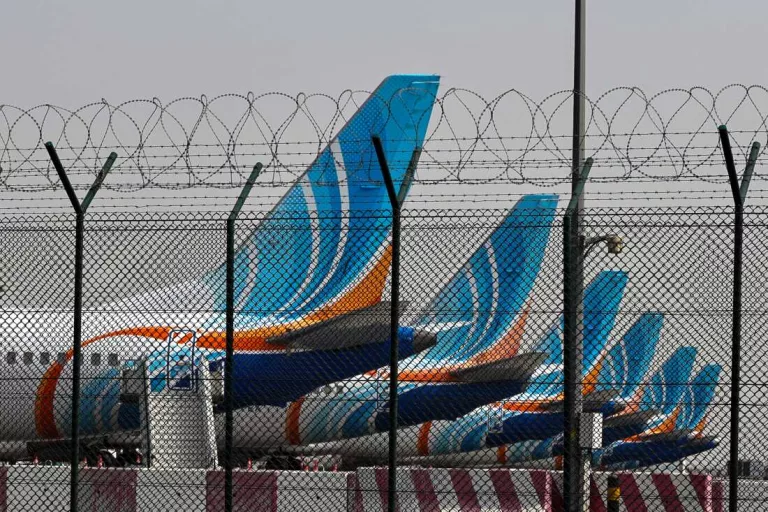
Sourced: X{@nuprizm}
According to TTW, social media is full of frustrated travelers sharing stories of missed connections, last-minute rebookings, and extended waits at airport desks. One passenger posted, “My Bahrain flight got cancelled for the third time this week… UAE travel chaos is real.” The situation has highlighted how interconnected Gulf aviation networks areand how quickly one disruption can ripple across multiple countries.
Routes under pressure
Data from recent operations show that the cancellations are concentrated on high-frequency routes such as Bahrain and Cairo, while South Asian destinations like Delhi, Mumbai, Lahore, and Islamabad are also affected. Airlines operating narrow-body aircraft like the Airbus A320-family and Boeing 737 variants appear most impacted, pointing to operational or logistical constraints affecting these widely used fleets.
The repeated cancellations across multiple days suggest more than a one-off glitch. Operational challenges, crew scheduling constraints, airspace congestion, or external factors such as geopolitical tensions may all be contributing to the instability. For airlines, this means juggling passengers, aircraft, and crews across a complex network while trying to keep disruptions to a minimum.
Passenger impact: delays, rebookings, and uncertainty
For travelers, the consequences are immediate. Many passengers have faced extended layovers, rescheduled flights, and expensive last-minute alternatives. Connecting passengers experience knock-on delays, while those on regional routes may find themselves stranded overnight. Families, business travelers, and those on tight schedules are among the hardest hit, navigating hotel bookings, visa conditions, and logistical headaches.
Airlines have tried to rebook affected passengers automatically, but with high demand and limited operating flights, options are often less than ideal. Some travelers have reported being rerouted to alternate hubs like Doha or Jeddah, only to face further delays.
Navigating travel during disruptions
Passengers currently in Abu Dhabi or planning trips through the airport are advised to:
- Check flight status frequently via airline apps, emails, or SMS alerts.
- Keep all documents related to cancellations, including boarding passes and receipts for essential expenses.
- Contact airlines promptly for rebooking assistance, noting that call centers may be overwhelmed.
- Build flexibility into itineraries, allowing extra connection time and considering refundable fares if possible.
Travel experts recommend avoiding nonessential trips through Abu Dhabi until operations stabilize, particularly on heavily impacted routes like Bahrain, Cairo, and South Asia.
While Abu Dhabi International remains a key hub connecting the Gulf, North Africa, and South Asia, repeated cancellations underscore the fragility of complex aviation systems. For airlines, airports, and aviation authorities, better coordination, proactive scheduling, and clear communication with passengers are critical to minimizing disruption.
For travelers, patience, planning, and vigilance remain essential. Until the operational challenges are resolved, flight schedules are likely to remain unpredictable, and Abu Dhabi may continue to see high numbers of cancellations and last-minute changes.
Follow us on social media for more travel news, inspiration, and guides. You can also tag us to be featured.
TikTok | Instagram | Facebook
ALSO READ: