





There’s a quiet shift happening behind Africa’s travel boom. While more travellers are booking flights, safaris, and city breaks online than ever before, there’s a growing problem moving just as fast, and it’s starting to worry the people who keep the industry running.

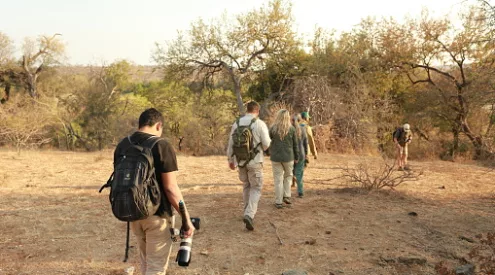
Source: African Paradise Safaris
According to travelnews.africa, at a recent industry gathering in Nairobi, that concern took centre stage.
When convenience comes with risk
Across the continent, digital payments have opened doors. From mobile wallets to instant online bookings, travel has become more accessible and efficient. But that same convenience has created an entry point for something far less welcome.
At the Kenya Travel Industry Payment Summit 2026, known as KTRIPS, industry players came together with one clear focus: fraud is no longer a background issue. It is now one of the biggest threats facing travel businesses in Africa.
And the stories coming out of the summit paint a worrying picture.
The new face of travel scams
Fraud in the travel space is no longer limited to dodgy emails or obvious scams. It has evolved into something far more sophisticated.
One of the biggest concerns raised was account takeovers. This is where criminals gain access to real customer profiles and quietly make bookings or transactions that look completely legitimate. By the time the damage is noticed, the money is already gone.
Then there are fake booking platforms. These websites often look polished, convincing, and even cheaper than official channels. For travellers chasing a deal, the trap is easy to fall into. Payment details are captured, and the booking never existed.
What’s changed, though, is the role of technology.
AI is changing the game
Perhaps the most unsettling trend discussed in Nairobi is the rise of AI-driven fraud.
Criminal networks are now using advanced tools to create highly convincing fake websites, generate realistic documents, and even imitate real business communication. Emails, invoices, and booking confirmations can look indistinguishable from the real thing.
For many businesses, this means fraud is no longer easy to spot. It blends in.
Why this matters for travellers too
While the summit focused heavily on businesses, the ripple effect hits travellers just as hard.
Trust is everything in travel. If people begin to doubt whether a booking is real or whether their payment is safe, hesitation creeps in. And when hesitation sets in, the entire industry feels it.
Across social media, travellers have already started sharing near-misses and scam warnings. The conversation is shifting from excitement about travel deals to caution about where and how to book.
That shift alone says a lot.
The weak spots businesses can’t ignore
One of the biggest vulnerabilities remains card-not-present transactions. These are bookings made online or over the phone using card details that are not physically verified. It is convenient, yes, but it also opens the door to stolen card usage and costly chargebacks.
For businesses operating on tight margins, even a handful of fraudulent transactions can hurt.
What the industry is doing about it
Despite the seriousness of the problem, the tone coming out of Nairobi was not defeatist. If anything, it was practical.
There was strong agreement on a few key steps that can make a real difference.
Multi-factor authentication is becoming essential. Adding an extra layer of verification beyond passwords can block many of the most common attacks.
Staff training is another critical piece. When employees understand how fraud works, they are far more likely to spot unusual patterns before losses escalate.
And then there is collaboration.
Why working together might be the real solution
One of the strongest themes from the summit was the need for shared intelligence. Fraudsters move quickly, but information sharing across airlines, agencies, and tech providers can move faster if done right.
There is also growing reliance on partnerships with specialised security providers. Not every travel business has the resources to build advanced fraud detection systems in-house, but tapping into existing technology can level the playing field.
A turning point for African travel
The reality is simple. Africa’s travel industry is expanding rapidly, and with that growth comes attention, including from those looking to exploit it.
What came out of Nairobi is not just a warning. It is a reminder that growth and security need to move together.
For travellers, it means being more mindful of where and how bookings are made. For businesses, it means investing in protection now rather than reacting later.
Because in a digital travel world, trust is not a given. It is something that has to be actively built and protected.
Source: travelnews.africa
Follow us on social media for more travel news, inspiration, and guides. You can also tag us to be featured.
TikTok | Instagram | Facebook
ALSO READ:
Kgalagadi diesel limit forces safari travellers to plan ahead