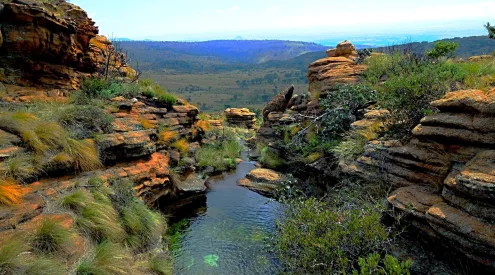
There’s something about the Kgalagadi that pulls people in. Maybe it’s the red dunes that seem to stretch forever or the thrill of spotting a black-maned lion in total silence. But right now, heading into this iconic wilderness requires a bit more planning than usual.
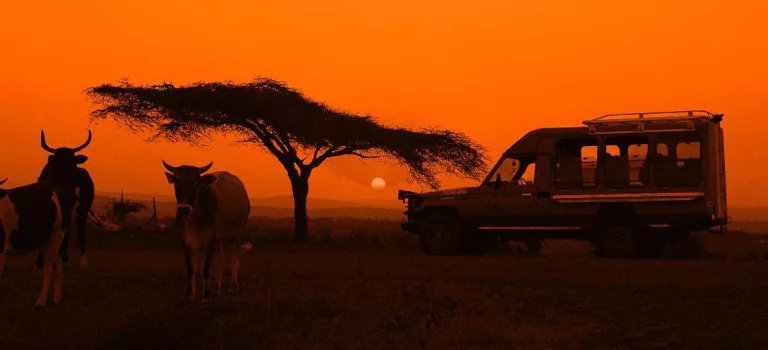
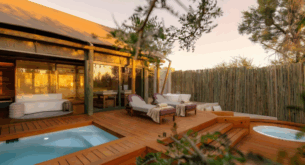
Source: The Growcery Camp
According to travelnews.africa, a temporary diesel restriction inside Kgalagadi Transfrontier Park is forcing travellers to think ahead before they hit the road.
A fuel cap in one of Africa’s most remote parks
South African National Parks has confirmed that diesel supply disruptions are affecting filling stations within the park. For now, visitors can only take up to 40 litres of diesel per vehicle per transaction.
It might not sound dramatic at first, but in a place like the Kgalagadi, distance is everything. This park covers nearly 38,000 square kilometres, with long, quiet stretches between camps like Twee Rivieren, Nossob, and Mata-Mata. Running low on fuel here is not just inconvenient; it can completely derail a trip.
The restriction applies across all fuelling points inside the park and is already in effect.
Why this matters more than you think
Unlike busier reserves closer to cities, the Kgalagadi has always been about self-reliance. There are no quick petrol stops around the corner, no roadside cafés, no easy shortcuts out. That’s exactly why travellers love it.
But that same isolation is now exposing a weak link. Even a small disruption in supply can ripple across the entire visitor experience.
Six wilderness camps in the park don’t offer any services at all, meaning travellers must arrive fully prepared. Even the main rest camps only provide basic supplies under normal conditions. With diesel now limited, careful planning is no longer optional.
No national shortage, just a local challenge
Authorities have been quick to reassure South Africans that this is not a countrywide fuel crisis. Supplies of petrol, diesel, and other fuels remain stable across the country.
This issue is isolated to logistics in remote areas, which means panic buying or cancelling trips outright is unnecessary.
What travellers should do before entering
If you’re heading into the Kgalagadi, the advice is simple but crucial. Fill up completely before you arrive.
Towns like Upington remain the most reliable place to fuel up before entering the park, often at better prices too.
Once inside, it becomes all about conservation. Drive at steady speeds, avoid unnecessary detours, and make sure your vehicle is in good condition. Some travellers opt to carry extra fuel, where regulations allow, as a backup for longer routes.
Social media reactions: calm but cautious
Among seasoned safari-goers, the response has been measured. Many are sharing tips rather than panic, reminding first-time visitors that preparation has always been part of the Kgalagadi experience.
There’s also a quiet appreciation for the reminder that this isn’t a polished, plug-and-play destination. It’s raw and demanding, and that’s exactly the point.
The wilderness is still worth it
Despite the inconvenience, nothing about the magic of the Kgalagadi has changed. Lions still patrol the dunes, gemsbok move in elegant lines across the sand, and birds of prey dominate the endless sky.
In many ways, the current situation highlights what makes this place so special. It’s not designed for ease. It’s designed for those willing to slow down, plan properly, and embrace the wild on its own terms.
For travellers who do just that, the reward remains one of Southern Africa’s most unforgettable safari experiences.
Source: travelnews.africa
Follow us on social media for more travel news, inspiration, and guides. You can also tag us to be featured.
TikTok | Instagram | Facebook
ALSO READ: