


A Blue Flag flying above a beach is a reassuring sight for many travellers. It signals that the beach has met internationally recognised standards for cleanliness, safety and environmental management, making it a great choice for your next seaside escape.
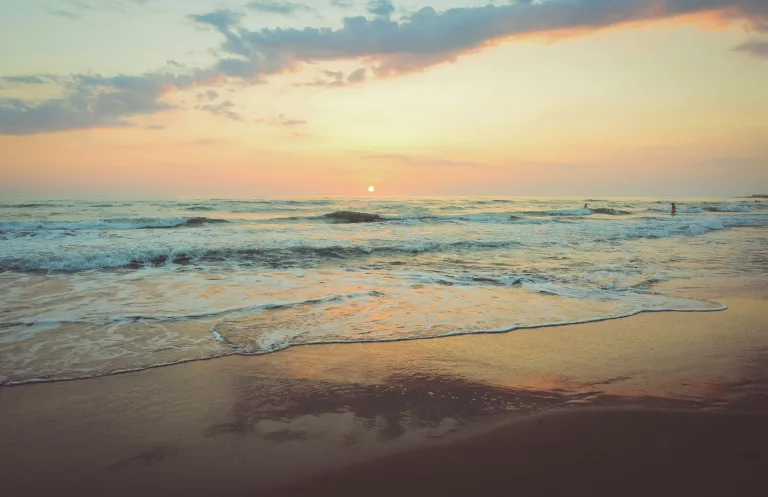
Photo: Unsplash
What is Blue Flag status?
Blue Flag is an international eco-certification awarded to beaches, marinas and sustainable boating tourism operators that meet strict environmental, safety and water quality standards. The programme is run by the Foundation for Environmental Education (FEE) and managed in South Africa by the Wildlands Conservation Trust.
Importantly, Blue Flag status isn’t permanent. Beaches are assessed every year and can lose their accreditation if they no longer meet the required criteria.
What makes a beach Blue Flag?
A beach must meet standards in four key areas:
- Excellent water quality: The water is tested regularly to ensure it’s safe for swimming.
- Safety: Lifeguards, first-aid facilities and clear safety information should be available during the Blue Flag season.
- Environmental management: The beach must be kept clean, with proper waste facilities and measures in place to protect surrounding ecosystems.
- Environmental education: Visitors should have access to information about local wildlife, conservation and responsible beach behaviour.
Why does it matter?
For travellers, Blue Flag status offers extra peace of mind. While it doesn’t guarantee perfect swimming conditions every day, it does show that the beach is managed to high international standards.
South Africa is home to dozens of Blue Flag beaches across the Western Cape, Eastern Cape and KwaZulu-Natal, making it easy to find a stretch of coastline that’s as well cared for as it is beautiful.
So, next time you’re planning a beach day, keep an eye out for that iconic blue flag. It’s a simple sign that you’re visiting a beach that’s committed to protecting both people and the environment.
ALSO SEE: From bush to beach: Why the Eastern Cape is ideal for a winter escape
From bush to beach: Why the Eastern Cape is ideal for a winter escape