

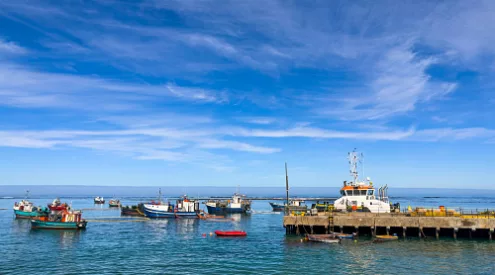
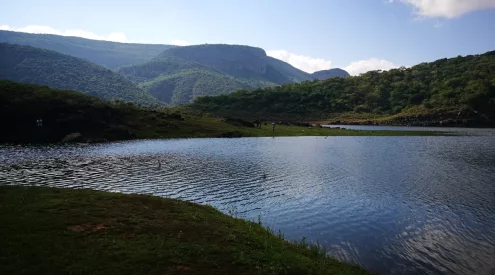
Across Africa, some towns have been shaped by an unusual geography: water is not simply part of the scenery but a defining boundary around everyday life.
From centuries-old Swahili settlements on the Indian Ocean to communities surrounded by Lake Malawi and Lake Victoria, these island towns have developed distinctive architecture, cultures, food traditions and ways of getting around.
Here are five African island towns where history, culture and water are inseparable.
Lamu, Kenya
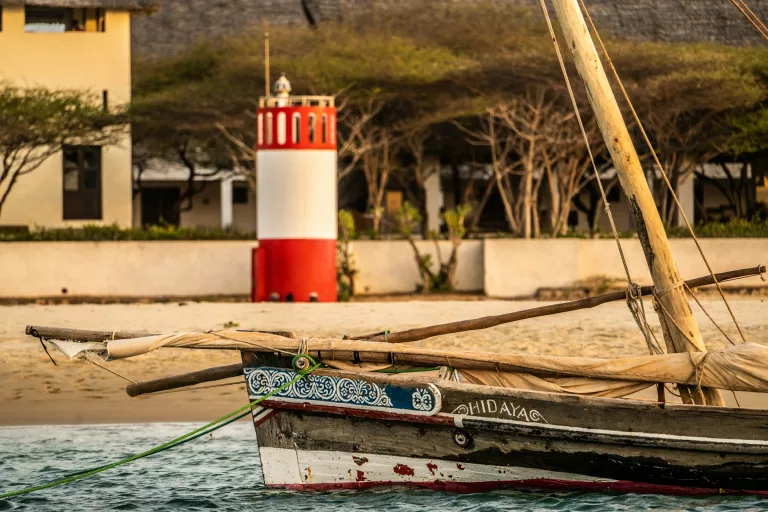
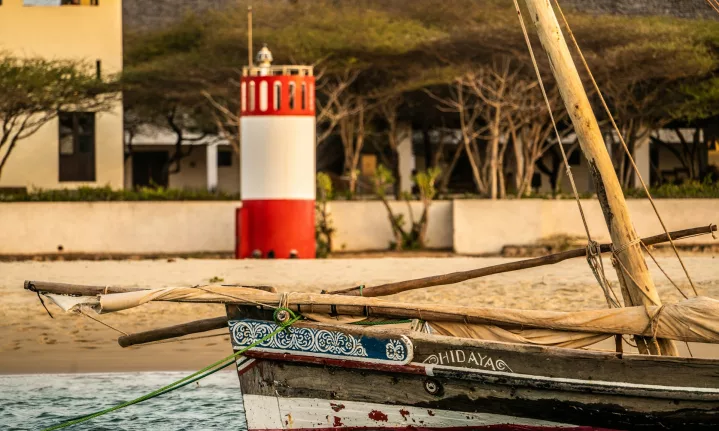
Lamu, Kenya/Photos By Beks/Unsplash
Wander through a living Swahili town
Lamu is one of the best places to understand how island geography influenced the development of the Swahili coast. Lamu Old Town has been continuously inhabited for more than 700 years and was inscribed as a UNESCO World Heritage Site in 2001. Its narrow streets, coral-stone buildings and elaborately carved wooden doors reflect centuries of interaction between Swahili, Arab, Persian, Indian and European cultures.
The town is still very much alive. Instead of feeling like an open-air museum, its historic streets remain part of everyday life, with shops, homes, mosques and waterfront activity woven into the old urban fabric.
One of the most distinctive aspects of Lamu is its relationship with transport. The narrow streets of the Old Town are largely pedestrianised, while boats and traditional dhows remain an important part of island life.
What to see and do
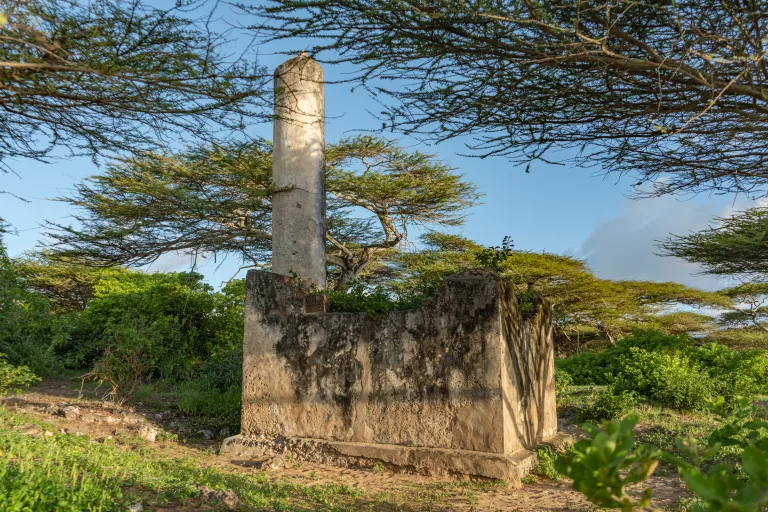
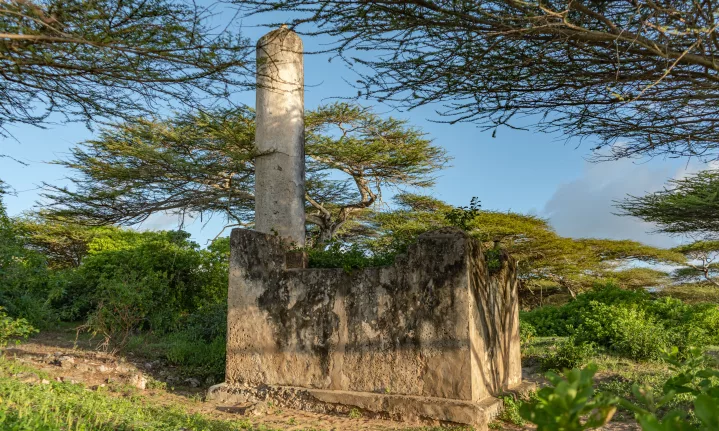
A pillar tomb at the Takwa Ruins on Manda Island in the Lamu Archipelago of Kenya/Nina R/Wikimedia Commons
Explore Lamu Old Town
Give yourself time simply to walk. The architecture is one of the main attractions, from carved doors and shaded courtyards to coral-rag walls and buildings influenced by the wider Indian Ocean world.
Visit Lamu Museum
The museum provides context for what you see around town, with collections covering Swahili culture, maritime traditions, crafts, clothing, manuscripts and everyday life. It is also close to Lamu Fort and the Swahili House Museum.
See Lamu Fort
The historic fort is another useful stop when exploring the Old Town and adds another layer to the island’s complicated history.
Spend a day in Shela
South of Lamu Old Town, Shela has a more relaxed atmosphere, with sandy lanes, traditional houses, restaurants and access to a long beach. It is a good place to slow down after exploring the busier historic centre.
Take a dhow trip
A traditional dhow cruise is one of the classic Lamu experiences. Head out onto the water for a sunset sail or use a boat trip to explore the surrounding archipelago.
Visit Takwa Ruins
Across the water on Manda Island, the remains of Takwa offer a glimpse into another Swahili settlement. The 15th- and 16th-century ruins include mosque remains, stone foundations and wells surrounded by vegetation.
Eat Swahili food
Make time for coconut-rich curries, fresh seafood, samosas and other coastal dishes. Lamu’s cuisine is another expression of the cultural exchange that shaped the Swahili coast.
Ilha de Moçambique, Mozambique
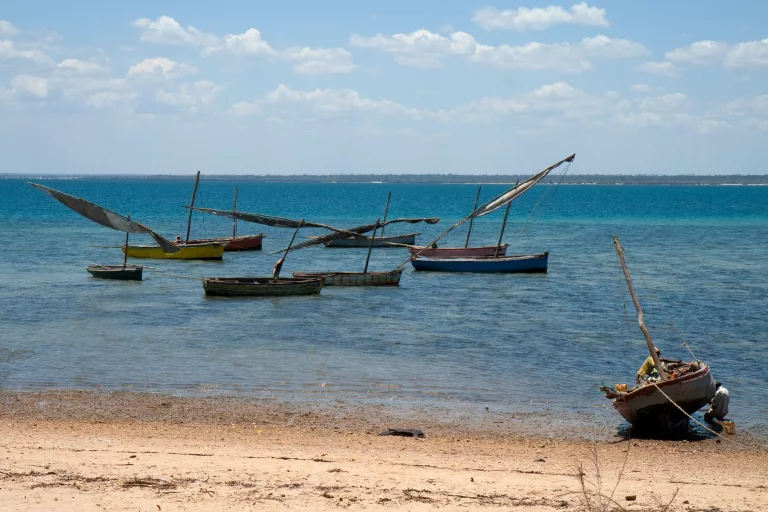
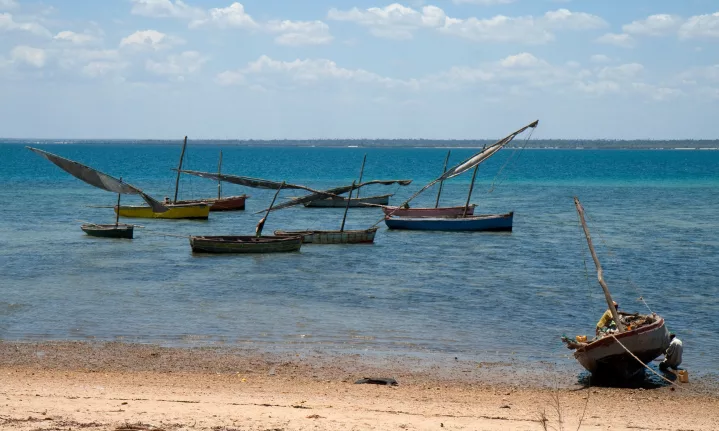
Ilha de Moçambique/Stig Nygaard/Wikimedia Commons
Where African, Arab, Indian and Portuguese histories meet
Ilha de Moçambique is one of the most intriguing historic settlements on Africa’s eastern coast. Located in Nampula Province, the island was an important point in Indian Ocean trade and developed through centuries of interaction between African, Arab, Persian, Indian and European communities.
The northern part of the island contains the historic Stone Town, where narrow streets are lined with buildings made largely from stone and lime. Mozambique’s tourism authority describes the island as a place where centuries-old history and a mixture of cultures remain particularly visible.
The island’s UNESCO-listed heritage includes a remarkable collection of buildings and urban spaces, while everyday life continues alongside them.
What to see and do
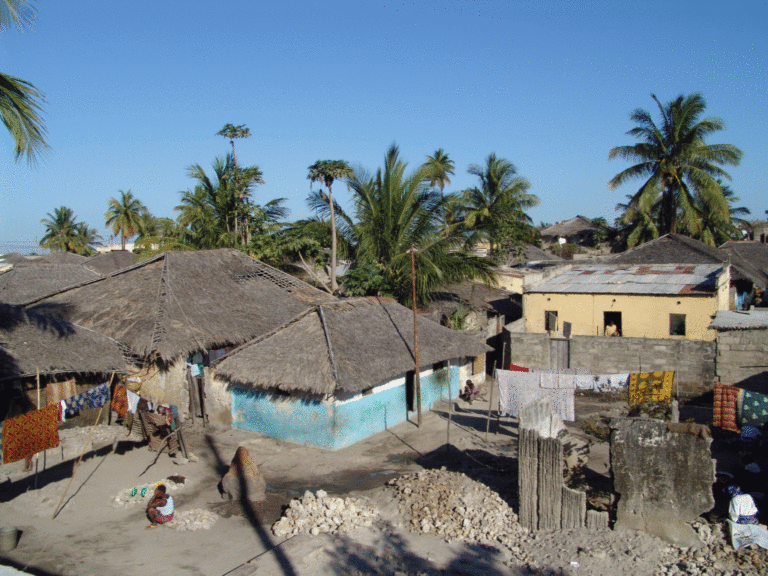
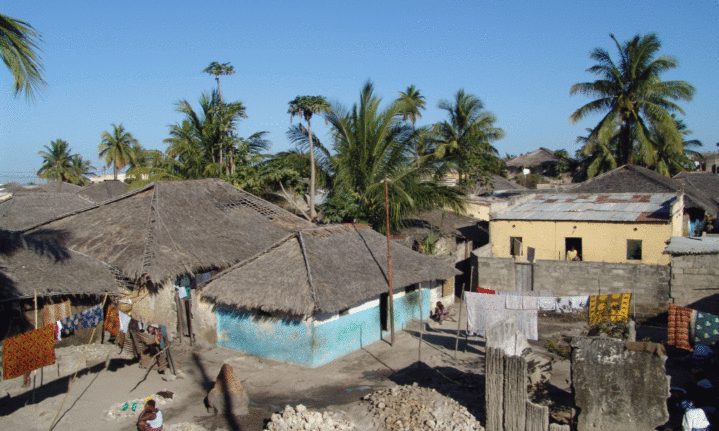
Island of Mozambique – Macuti Town/Spielkind at English Wikipedia, Public domain, via Wikimedia Commons
Walk through Stone Town [Cidade de Pedra]
Start on foot and explore the historic northern section. The narrow streets and old buildings make walking one of the best ways to appreciate the island’s unusual atmosphere.
Visit the Palace of São Paulo
The former Palace of the Captains-General is one of the island’s best-known historic buildings. Its interiors reflect the mixture of Portuguese, Arab and Asian influences that passed through the island, with furnishings, porcelain, carpets and other historic objects.
Explore the Fortress of São Sebastião
The imposing fortress is another essential stop for understanding the island’s strategic importance during the period of Portuguese expansion and Indian Ocean trade.
Explore Macuti Town
Don’t spend the entire visit in the colonial section. The southern part of the island provides a very different experience, with traditional homes and a more contemporary community atmosphere.
Take to the water
Boat trips and canoe excursions offer another perspective of Ilha de Moçambique and its surrounding coastline. The country’s tourism authority also highlights the island for boat trips and diving experiences.
Eat fresh seafood
The Indian Ocean is central to island life, so seafood should feature prominently on any visit. Look for local preparations rather than sticking exclusively to hotel menus.
Saint-Louis, Senegal
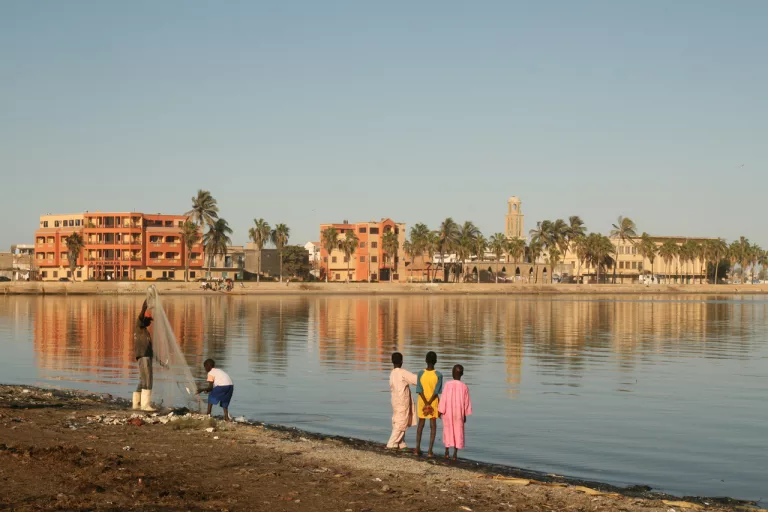
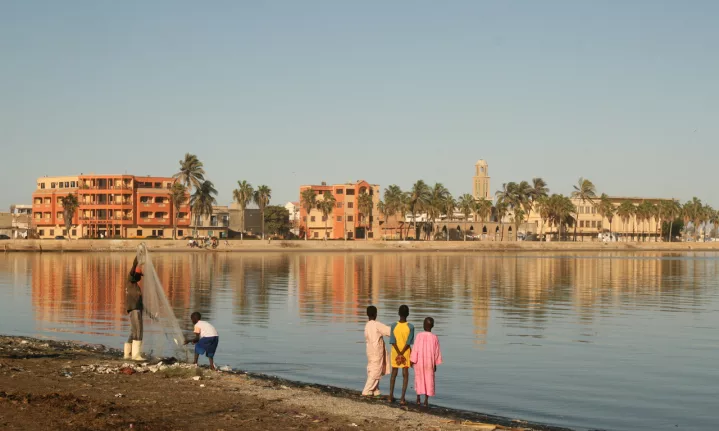
Saint-Louis, Senegal/Remi Jouan/Wikimedia Commons
A historic city between river and sea
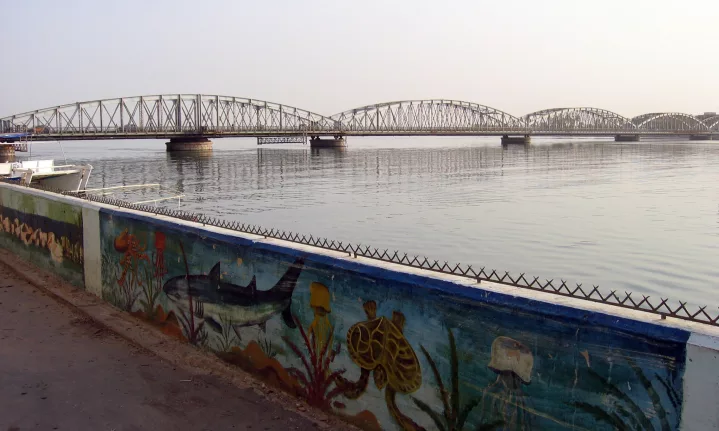
Saint-Louis offers a completely different version of African island life. The historic city occupies an island at the mouth of the Senegal River, where the river meets the Atlantic Ocean.
Founded by French colonists in the 17th century, Saint-Louis later became the capital of Senegal from 1872 to 1957 and developed into an important cultural, economic and political centre in West Africa. The entire historic island, including its quays and Faidherbe Bridge, is a UNESCO World Heritage Site.
The island is particularly distinctive for its regular street grid, colourful colonial-era buildings, balconies and waterfront quays.
What to see and do
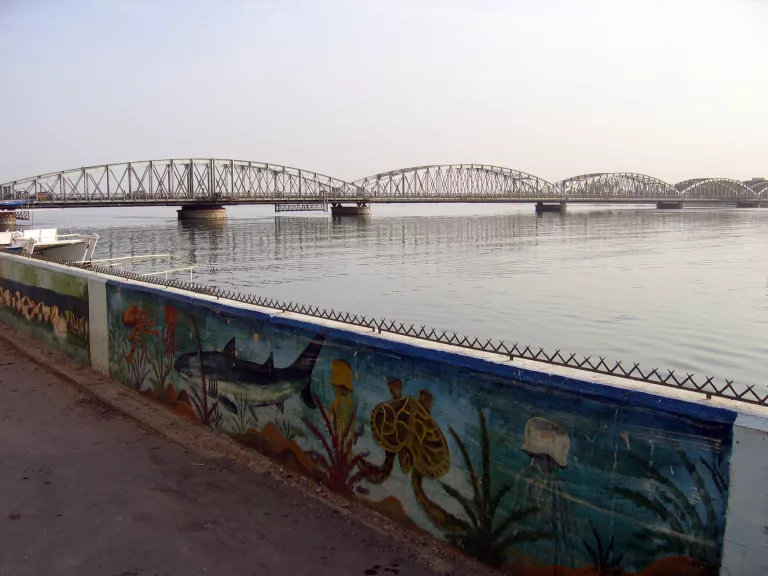
Faidherbe Bridge from Saint-Louis/Manuele Zunelli/Wikimedia Commons
Walk the historic island
The best introduction is a slow walk through the old streets. Look for the distinctive balconied houses, galleries and colonial architecture that give the island its character.
Cross Faidherbe Bridge
The famous bridge links the historic island with the mainland and has become one of Saint-Louis’s defining landmarks. The present bridge dates from 1897.
Explore the fishing district of Guet-Ndar
This provides a glimpse of contemporary life and the city’s enduring relationship with the sea. Fishing remains an important part of the local economy and identity.
Visit the Langue de Barbarie
South of Saint-Louis, the Langue de Barbarie is a narrow strip of sand where river, ocean, dunes and fishing villages come together. The area also supports a variety of birdlife, including pelicans, flamingos, herons and cormorants.
Go birdwatching in Djoudj National Park
If you are visiting during the migratory season, make time for Djoudj National Bird Sanctuary. Between November and April, millions of birds arrive in the wetlands, including large numbers of pelicans, flamingos, ducks and other waterbirds.
Take a river cruise
The historic Bou El Mogdad offers a particularly atmospheric way to experience the Senegal River, with cruises passing villages and bird-rich areas.
Visit the Musée de l’Aéropostale
Saint-Louis also has an aviation story. The Musée de l’Aéropostale explores the history of the pioneering airmail route and the aviators associated with early flights between Europe, Africa and South America.
Likoma Island, Malawi
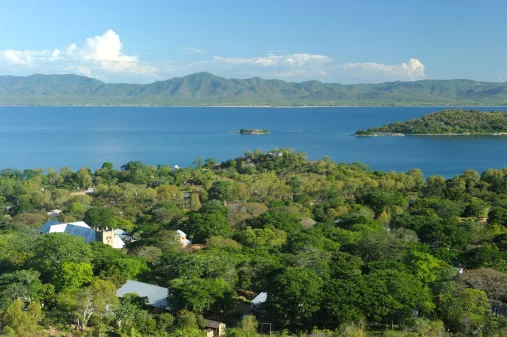
“View of Malawi’s Likoma Island on Lake Malawi, with Mozambique coastline at the back”
An island town in the middle of a freshwater sea
Likoma Island changes the story completely. Instead of an Indian Ocean trading town or former colonial capital, this small settlement sits in the northern part of Lake Malawi, just a few kilometres from Mozambique.
Its most unexpected landmark is St Peter’s Cathedral, a huge Anglican church built between 1903 and 1911. Its scale is striking against the small island setting, while the surrounding landscape is made up of villages, sandy paths, baobabs, mango trees and the waters of Lake Malawi.
The island’s isolation is part of its appeal. Life is slower here, and visitors come as much for the atmosphere as for a packed list of attractions.
What to see and do
Visit St Peter’s Cathedral
The cathedral is the island’s must-see landmark. Inside, look for its stained-glass windows and carved details before stepping outside to appreciate the contrast between the enormous building and the small island community around it.
Go snorkelling
Lake Malawi is famous for its colourful cichlid fish, and the clear waters around Likoma provide opportunities to see them close to shore.
Kayak around the island
Kayaking provides a peaceful way to see the shoreline and surrounding landscape from the water.
Walk through the villages
Likoma is a destination where wandering without a strict schedule can be rewarding. Paths pass through villages and vegetation, offering a glimpse into everyday island life.
Take a trip to Chizumulu Island
The smaller neighbouring island can be visited by boat, adding another layer to a Likoma stay.
Look for the island’s baobabs
The combination of ancient-looking baobabs, sandy paths and the blue lake gives Likoma a landscape that feels distinctly different from Malawi’s mainland destinations.
Stay somewhere special
For travellers looking for a more luxurious island experience, Kaya Mawa is one of Likoma’s best-known accommodation options. The island also has smaller guesthouses and locally run accommodation.
Kalangala, Uganda
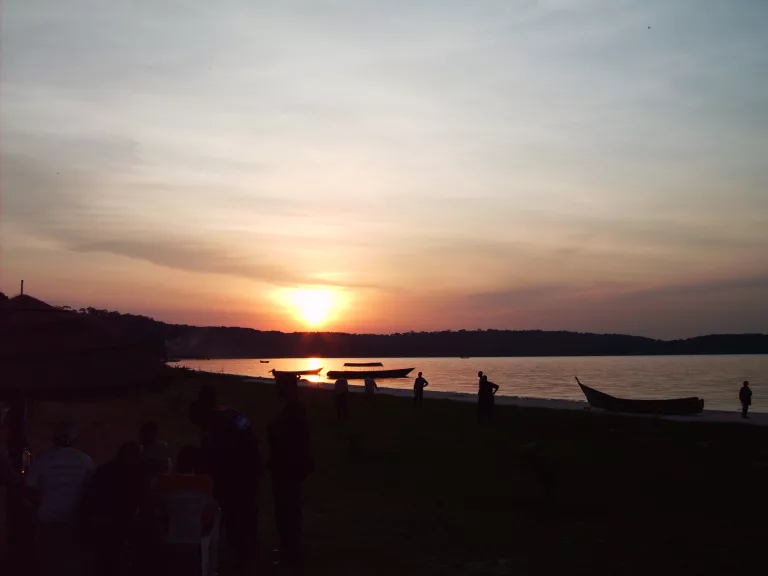
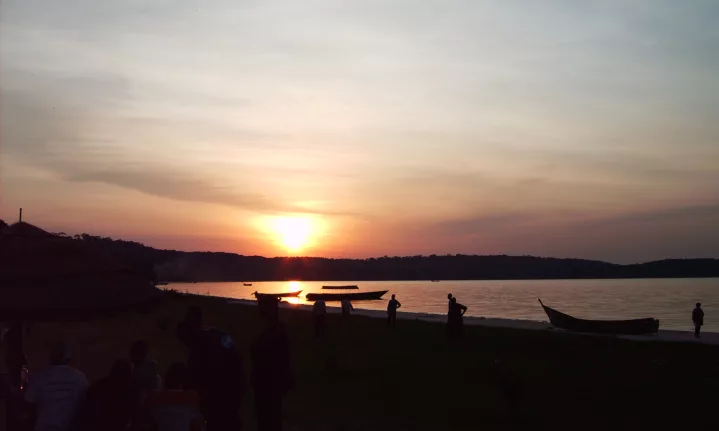
Kalangala beach overlooking the lake at sunset/Fredericknoronha/Wikimedia Commons
Island life on Lake Victoria
Kalangala brings the story to Uganda and one of Africa’s great lakes. It is the administrative centre of the Ssese Islands, an archipelago of 84 islands in Lake Victoria. Bugala is the largest and most developed, with most of the accommodation and visitor facilities found there.
The experience here is less about grand historic buildings and more about island life itself. Beaches, forests, fishing communities and palm-lined shores create a slower alternative to Uganda’s better-known safari destinations.
What to see and do
Explore Kalangala town
Spend some time walking around the town rather than treating it solely as a base for beach activities. Shops, markets and local businesses provide a glimpse of everyday life on Bugala.
Relax on the beaches
The Ssese Islands are known for sandy beaches and a laid-back atmosphere. The lake provides opportunities for swimming, sunbathing and simply enjoying the scenery.
Take a boat ride
With Lake Victoria surrounding the islands, getting onto the water is one of the obvious ways to experience the destination. Boat rides and sunset cruises are popular options.
Explore by bicycle
Cycling or mountain biking allows visitors to move beyond the main town and explore forest, beaches and fishing villages at a slower pace.
Go birdwatching
The islands’ combination of forest and lake habitats supports a wide range of birdlife, making them a worthwhile stop for birders.
Look for wildlife
The islands are home to a variety of wildlife, including monkeys, monitor lizards and antelope, although the birdlife is arguably the biggest attraction for nature enthusiasts.
Go fishing
Fishing is an important part of life around Lake Victoria, and visitors can arrange fishing experiences on the lake.
Explore beyond Bugala
The Ssese Islands comprise dozens of islands, so boat trips can be used to discover smaller and quieter communities beyond the main tourist centre.
Why these island towns are worth exploring
What makes these destinations interesting is not simply the fact that they are surrounded by water. Their island locations have helped shape who lives there, how people move around, what they eat and how the towns developed.
They also offer a different kind of travel. Instead of racing between major attractions, visitors can walk old streets, take boats between communities, sit beside the water, explore local markets and allow the geography of the destination to dictate the pace.
Follow us on social media for more travel news, inspiration, and guides. You can also tag us to be featured.
Instagram | Facebook | Twitter | Spotify
ALSO READ:



.JPG)

