
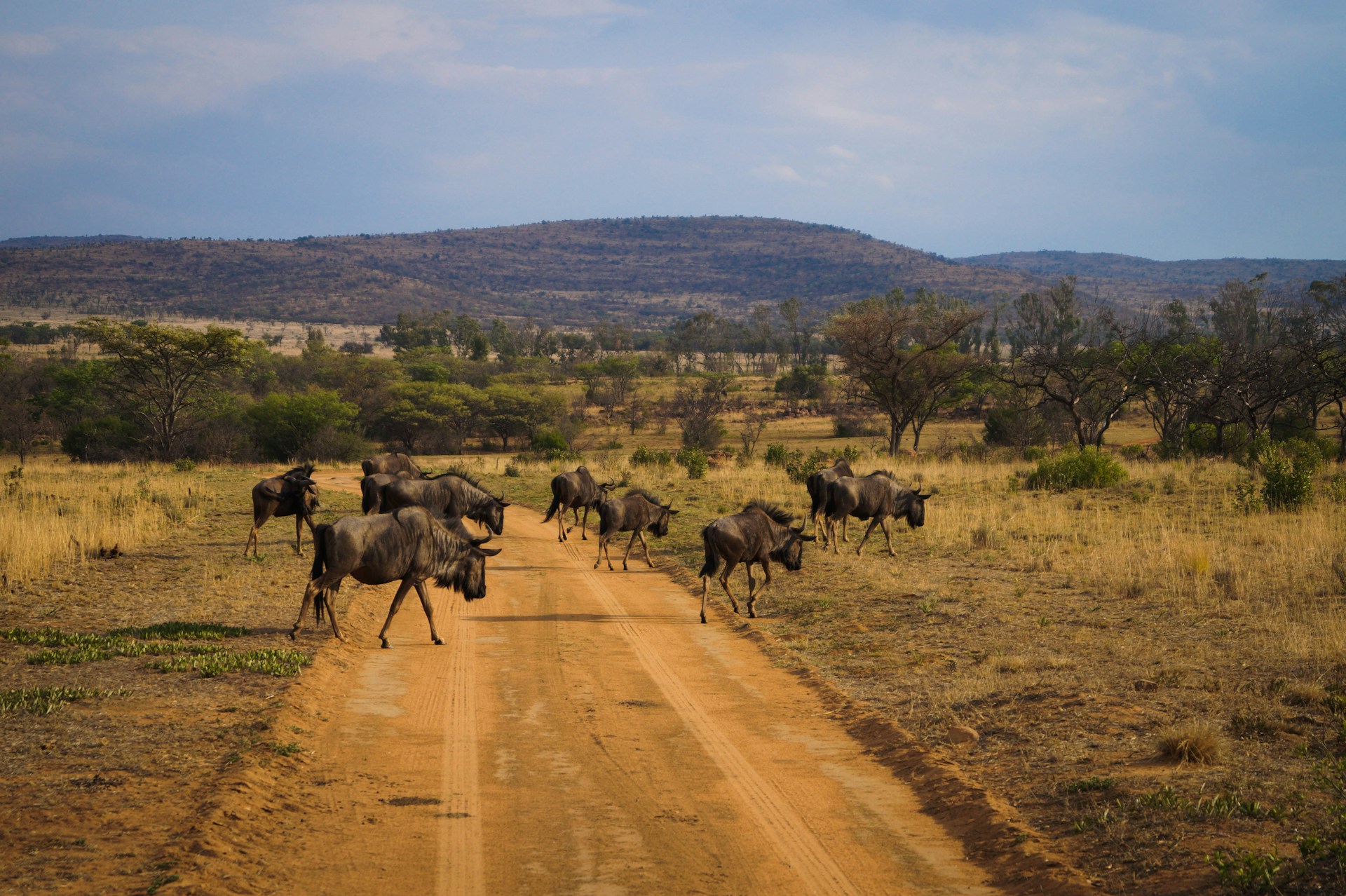
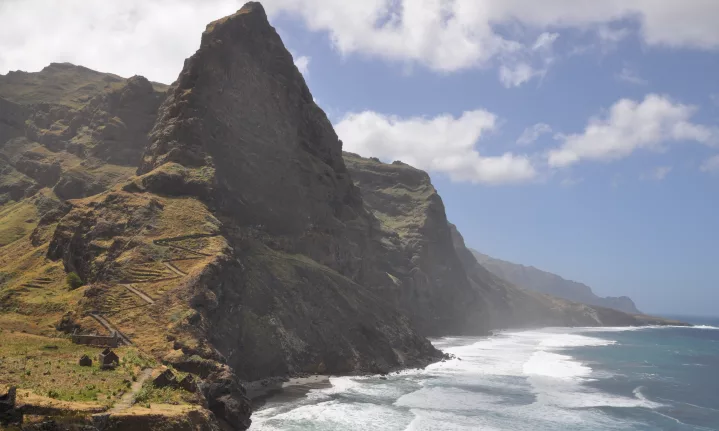
Africa is often imagined through the lens of safari: elephants crossing dusty plains, lions beneath acacia trees and game drives at sunrise. But along the continent’s enormous coastline, another Africa unfolds.
Here, the ocean has shaped cities, cuisines, architecture, livelihoods and cultures for centuries. Ancient trade routes crossed the Indian Ocean, fishing communities built their lives around the Atlantic and marine ecosystems now support some of the continent’s most important conservation areas.
From Senegal’s historic port cities to Kenya’s Swahili coast, Mozambique’s coral reefs and Namibia’s meeting point of desert and sea, these destinations offer a different way to experience Africa — one where the ocean isn’t simply a backdrop, but the reason the place is what it is.
1. Saint-Louis, Senegal
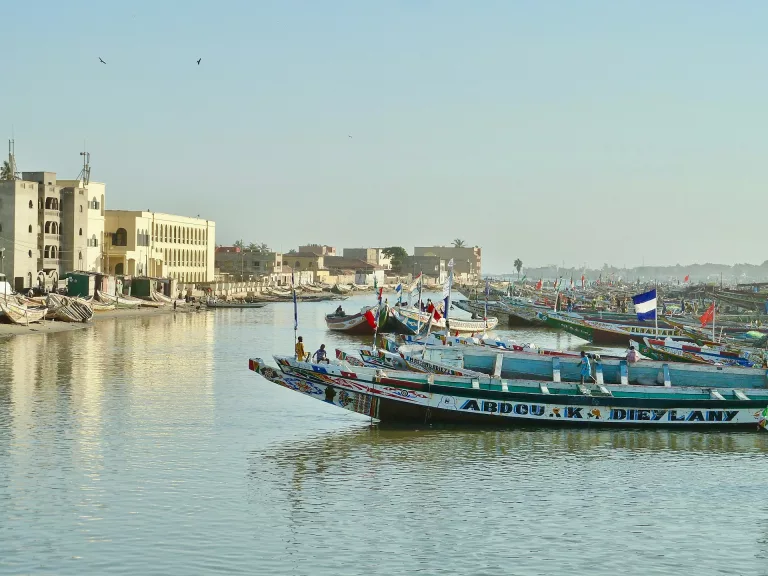
Saint Louis, Senegal/E. Diop/Unsplash
At the mouth of the Senegal River, Saint-Louis feels like a city suspended between land and water. The historic island was founded as a French settlement in the 17th century and later became Senegal’s capital. Its position between two arms of the river and close to the Atlantic shaped its importance as a trading port. UNESCO describes it as an “oceanic port of West Africa”, with its quays, waterfront setting and distinctive colonial architecture forming an important part of its identity.
Today, Saint-Louis offers a slower, more atmospheric introduction to Senegal than the country’s better-known safari and wildlife destinations.
What to do
Walk through the old island’s colourful streets and admire its colonial buildings before heading towards the waterfront and fishing areas. Take a boat trip along the Senegal River or explore the nearby Langue de Barbarie, a narrow coastal strip where river, lagoon and ocean environments meet.
Don’t leave without trying some of Senegal’s seafood. The city’s relationship with the water is visible in its markets, boats and everyday life.
Why go
Saint-Louis is ideal for travellers who want history and culture with their coastal escape. It is a place to explore on foot, by boat and around a table rather than from the back of a safari vehicle.
2. Lamu, Kenya
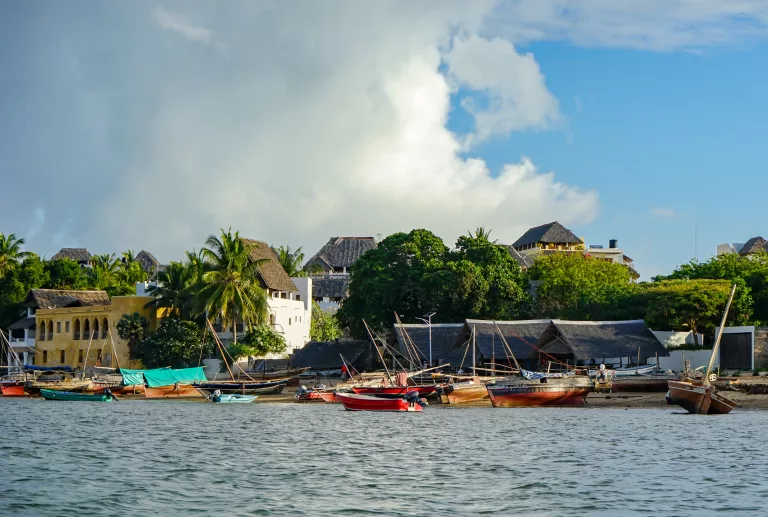
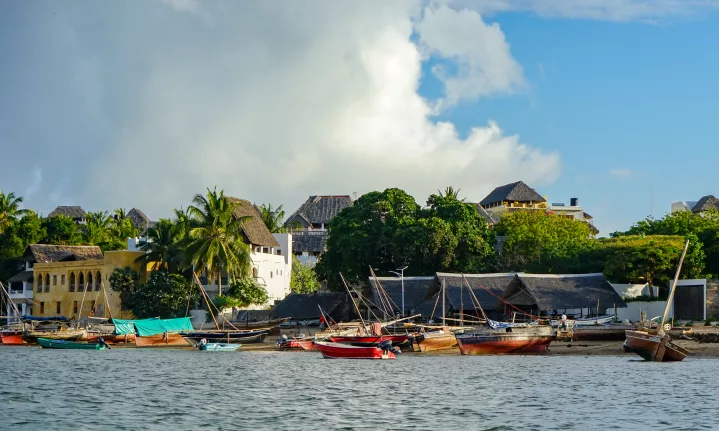
Lamu, Kenya/Nina R from Africa/Wikimedia Commons
On Kenya’s northern coast, Lamu is a reminder that the Indian Ocean has long been a highway connecting Africa with Arabia, Persia and India.
Lamu Old Town is the oldest and best-preserved Swahili settlement in East Africa and has been continuously inhabited for more than 700 years. Its coral-stone buildings, mangrove timber, narrow streets and carved wooden doors reflect centuries of interaction between different cultures along the Indian Ocean.
The sea remains central to the experience. Traditional dhow boats still form part of the coastal landscape, while fishing and maritime traditions remain woven into local life.
What to do
Spend time wandering through Lamu Old Town, visit its markets and historic buildings, and take a dhow trip at sunset. A boat excursion can also take you towards the surrounding islands and quieter beaches.
For a deeper cultural experience, learn about Swahili architecture and local traditions rather than treating Lamu simply as a beach destination.
Why go
Lamu offers one of Africa’s most atmospheric coastal experiences: ancient architecture, Indian Ocean sunsets, seafood and the distinctive rhythm of Swahili island life.
ALSO READ:
August lunar eclipse in South Africa: when and where to see the red moon
3. Island of Mozambique, Mozambique
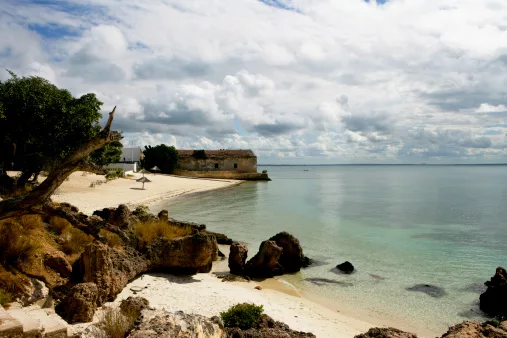
One of the islands of Mozambique/By: Oliver Strewe/Getty Images
The Island of Mozambique is one of the clearest examples of how the sea can shape an entire settlement.
Located in the Indian Ocean off Mozambique’s northern coast, the island played an important role in maritime trading networks from at least the 10th century. Its later importance grew with Portuguese maritime routes between Europe and India. UNESCO notes the striking combination of Swahili, Arab, European and traditional African influences in its architecture.
The result is a place where coral-stone buildings, palm-thatched homes and historic streets tell the story of centuries of movement across the ocean.
What to do
Explore the old Stone Town on foot, visit historic buildings and churches, and spend time in the more traditional macuti neighbourhoods. Boat trips and snorkelling offer a different perspective on the island, while nearby beaches provide plenty of time to slow down.
Try locally caught seafood and, where possible, arrange excursions with local guides who can explain the island’s maritime history.
Why go
The Island of Mozambique is for travellers who want more than a tropical beach. Its real attraction is the way history, architecture and everyday life have grown from the Indian Ocean.
4. Zanzibar, Tanzania
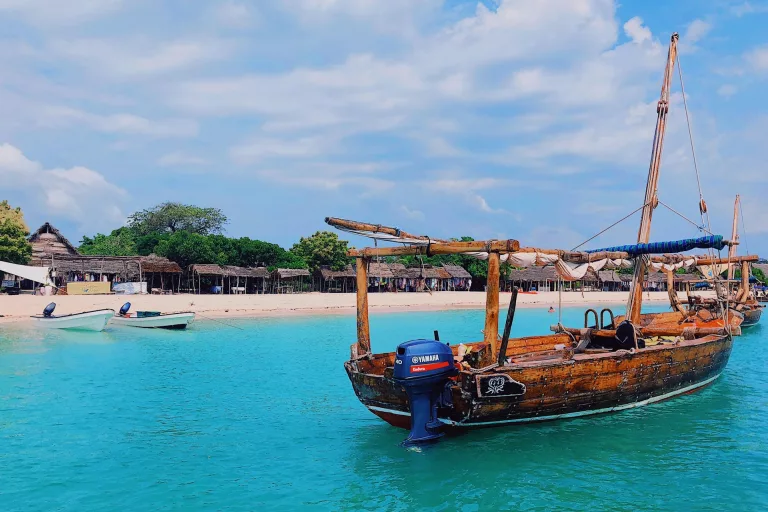
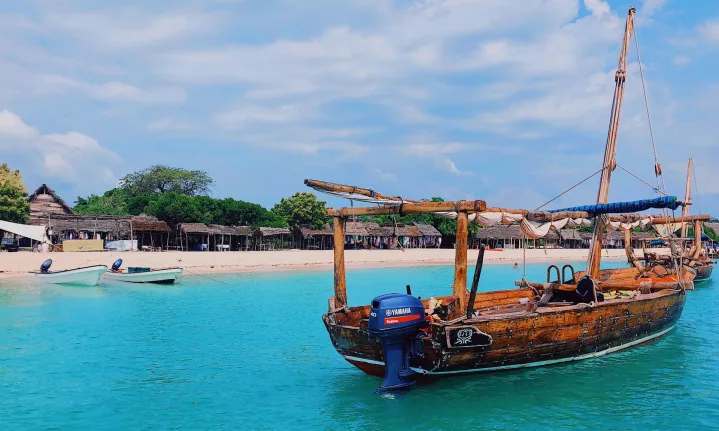
Zanzibar/Rafal Jedrzejek/Unsplash
Zanzibar’s beaches may be famous, but its most fascinating story begins in the water.
For centuries, the island sat at the crossroads of Indian Ocean trade. Stone Town developed as a Swahili trading settlement, and its architecture reflects African, Arab, Indian and European influences. UNESCO describes the town as an outstanding example of a Swahili coastal trading centre, with its streets, buildings and waterfront shaped by centuries of seaborne exchange.
This makes Zanzibar a destination where you can experience the ocean without spending the entire holiday on a sun lounger.
What to do
Get lost in Stone Town’s narrow streets, look out for its famous carved doors and visit historic landmarks including the Old Fort and former trading buildings. Head to the waterfront at sunset and take a dhow cruise.
Beyond Stone Town, explore Zanzibar’s fishing villages, spice farms and beaches. Seafood, coconut, cloves and other spices all contribute to the island’s distinctive food culture.
Why go
Zanzibar is where an African, Arab, Indian and European maritime history can be experienced within a relatively small area, and where the ocean still shapes the food, culture and pace of life.
5. Ghana’s Atlantic fishing coast
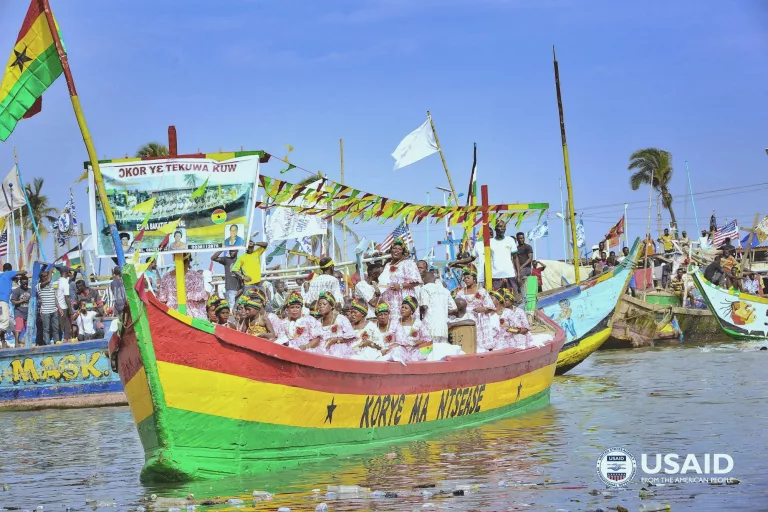
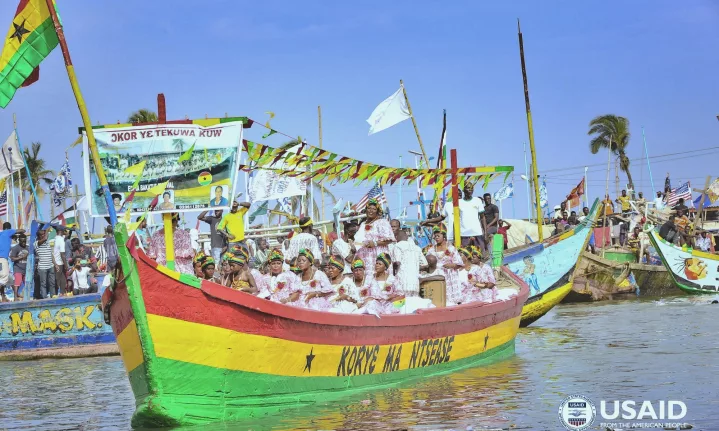
The Bakatue festival back in 2016/official photographer of the US Embassy in Ghana/USAID in Ghana, Public domain, via Wikimedia Commons
Ghana’s coastline tells a more complex ocean story.
Along the Central Region, fishing remains an important part of coastal life, while towns such as Elmina combine working harbours with some of West Africa’s most significant historic sites. Elmina Castle, built by the Portuguese in 1482, stands beside a fishing harbour and is a powerful reminder of the Atlantic trade that transformed the region.
The ocean here is therefore both a source of livelihood and a witness to a difficult history.
What to do
Visit Elmina’s historic castle and walk around the harbour to see fishing boats returning with their catch. Explore Cape Coast and its historic sites, sample local seafood and, if your trip coincides with one of the region’s festivals, experience the cultural traditions connected to fishing and the sea.
The Bakatue Festival in Elmina, for example, marks the beginning of the fishing season and includes ceremonies surrounding the lagoon and the lifting of restrictions on fishing.
Why go
Ghana’s coast offers a chance to understand how the Atlantic has influenced food, livelihoods, festivals, trade and history — all within a landscape of colourful fishing boats and busy waterfronts.
6. Lüderitz, Namibia
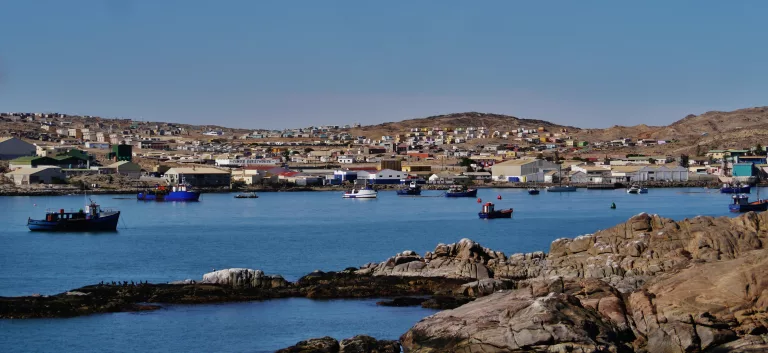
View from the Shark Island to the Waterfront, Lüderitz, Region of Karas/Zairon/Wikimedia Commons
Lüderitz is where Africa’s Atlantic coast becomes almost otherworldly.
Here, the Namib Desert reaches the cold Atlantic, creating a landscape of windswept beaches, rocky bays and stark desert scenery. The town’s German colonial architecture provides another layer, while its location on Namibia’s southern coast makes it a gateway to marine wildlife and the country’s dramatic coastal wilderness.
This is not the warm-water Africa of tropical islands. The Benguela Current brings nutrient-rich cold waters, helping support a productive marine environment.
What to do
Explore Lüderitz’s historic centre and take a trip towards Diaz Point for dramatic views of the Atlantic. Visit the abandoned diamond-mining settlement of Kolmanskop to experience the strange contrast between desert and ocean landscapes.
Boat trips can take you out to look for marine wildlife, while the nearby coast offers opportunities for fishing and exploring Namibia’s unusual maritime environment.
Why go
Lüderitz is proof that an African coastal experience doesn’t have to mean palm trees and turquoise water. Here, the attraction is the dramatic collision of desert, ocean and history.
7. Southern Mozambique
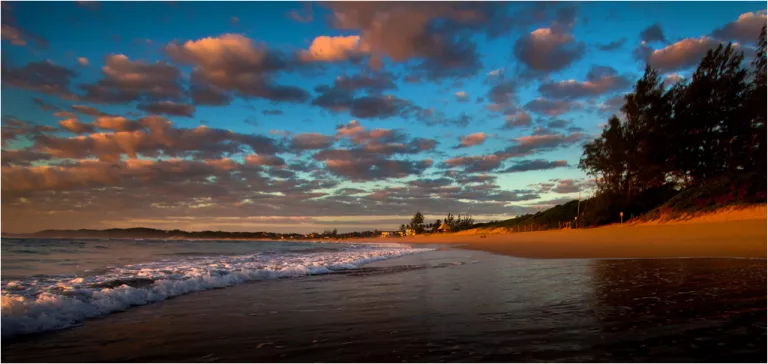
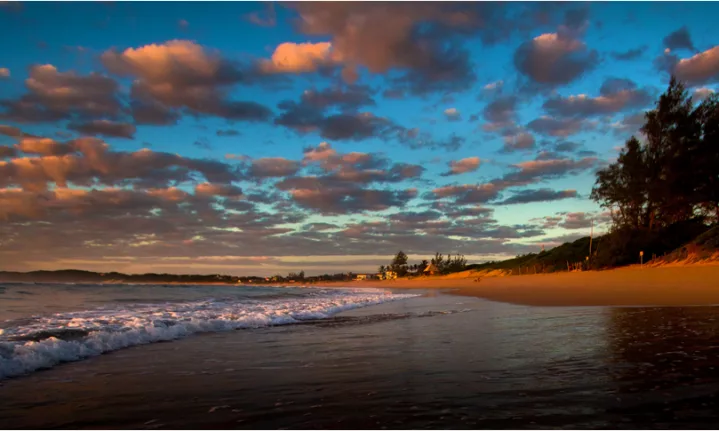
Ponta do Ouro in the morning/Hein waschefort/Wikimedia Commons
In southern Mozambique, the relationship between people and the ocean has increasingly become a story of conservation.
The Ponta do Ouro Partial Marine Reserve protects 678 square kilometres of marine and coastal habitat, including coral reefs, seagrass beds, estuaries and mangroves. Its waters support dolphins, whales, whale sharks, rays, coral fish and sea turtles.
Further north, Maputo National Park’s marine area stretches along an 80-kilometre coastline and protects important turtle nesting sites, coral communities, seagrass beds and marine species including humpback whales, dolphins, whale sharks and dugongs.
What to do
Ponta do Ouro is a natural base for diving, snorkelling, surfing, boat trips and marine wildlife experiences. Depending on the season, travellers can encounter dolphins, whales and nesting sea turtles.
For something more adventurous, explore the wider Maputo National Park, where marine and terrestrial ecosystems meet.
Why go
Southern Mozambique shows how the ocean can be both a travel attraction and a conservation priority. It is a destination for travellers who would rather swap a traditional game drive for a dive boat, reef or marine safari.
8. Cape Verde
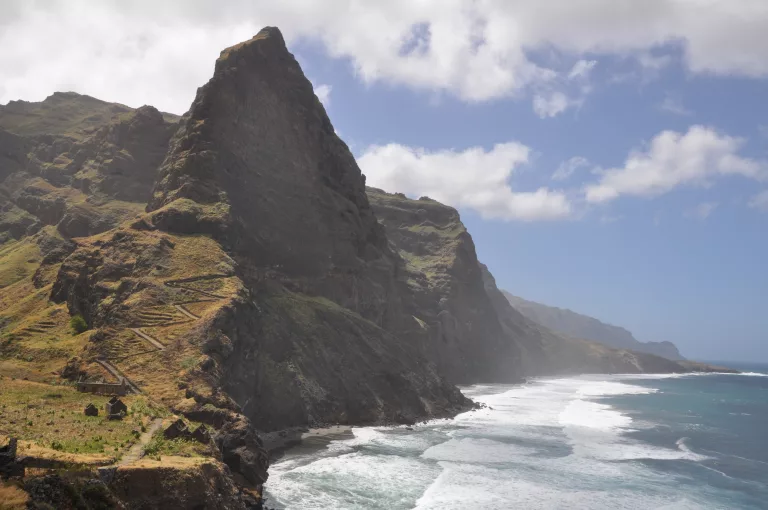
Coastline of Santo Antão/Konstantin Krismer/Wikimedia Commons
Cape Verde brings a completely different personality to the story.
This volcanic Atlantic archipelago has developed a culture shaped by fishing, seafaring, migration and life on islands surrounded by open water. On São Vicente, the harbour city of Mindelo combines colonial streets, music and a strong maritime identity, while nearby fishing villages offer a more intimate glimpse of everyday island life.
The ocean also provides plenty of ways to explore beyond the beach.
What to do
Visit Mindelo and its waterfront before travelling out to fishing villages such as Calhau and Salamansa. In Salamansa, visitors can see local fishermen at work, while the surrounding coastline is suited to water sports and coastal exploration.
On Santo Antão, follow coastal routes between villages such as Ponta do Sol and Cruzinha, where fishing boats, rugged cliffs and dramatic ocean views create one of the archipelago’s most memorable landscapes. Snorkelling, diving and traditional fishing can also be experienced around the island.
Why go
Cape Verde is an ideal choice for travellers who want Africa with an island twist — combining Atlantic scenery, fishing culture, hiking, music, food and a strong sense of place.
Africa’s coastal story is bigger than the beach
From Saint-Louis to Lamu, these destinations reveal an Africa that has always looked outward to the sea.
The ocean carried traders and travellers across the continent’s shores. It shaped architecture and cuisine, created fishing communities and connected cultures across thousands of kilometres. Today, it remains a source of livelihoods, adventure and conservation.
So while safari may be one of Africa’s defining travel experiences, it is far from the only one. Sometimes, to understand a destination, you need to follow the coastline instead.
Follow us on social media for more travel news, inspiration, and guides. You can also tag us to be featured.
Instagram | Facebook | Twitter | Spotify
ALSO READ:
48 hours in Saint-Louis, Senegal: Africa’s old Atlantic city

.jpg)


