



Tanzania is famous for the Serengeti, Mount Kilimanjaro, and Zanzibar, but head south and the landscape changes dramatically. In Mbeya, volcanic mountains rise above fertile valleys, crater lakes hide among forests, waterfalls tumble through the highlands, and tea and coffee grow in the cool climate.
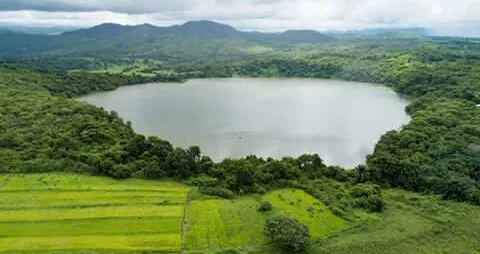
Ilamba Crater Lake, Mbeya/Emawily16/Wikimedia Commons
Set in Tanzania’s Southern Highlands, Mbeya is a good base for exploring this lesser-known corner of the country. The region around Mount Rungwe is particularly rich in natural attractions, including Lake Ngozi, forests, rivers, waterfalls, and habitat for the endemic kipunji monkey.
Here’s how to spend 48 hours discovering Mbeya beyond the traditional safari circuit.
Day 1: Crater lakes, forests and highland flavours
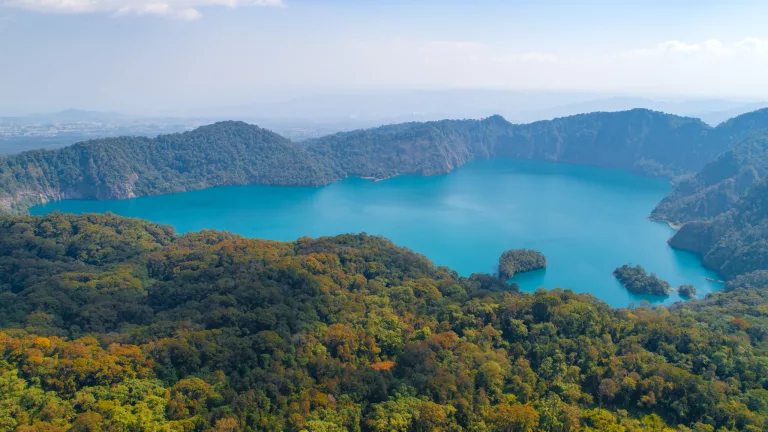
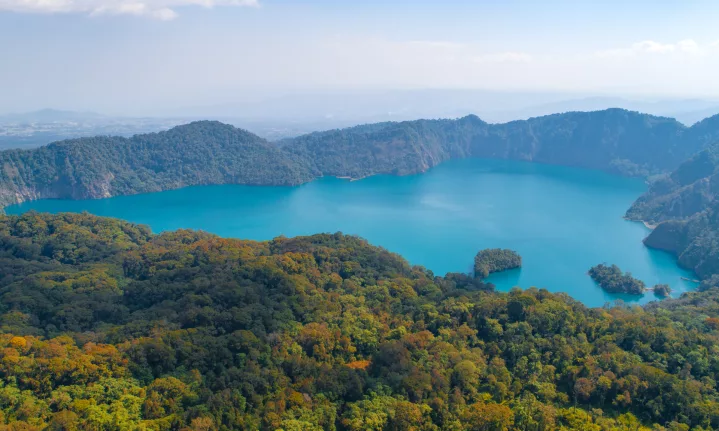
Lake Ngozi/Daniel Msirikale/Wikimedia Commons
Start in Mbeya
Begin your morning in Mbeya city with breakfast and a cup of locally grown coffee before heading into the surrounding highlands.
The city sits among mountain ranges and fertile agricultural areas, making it a useful starting point for exploring the region. Mbeya’s surroundings are shaped by the Great Rift Valley and ancient volcanic activity, which created the mountains, crater lakes, valleys, and rivers that define the landscape today.
Give yourself time to experience the city before heading towards Tukuyu and the Rungwe area. The journey quickly becomes greener as the urban landscape gives way to farms, forests and mountain scenery.
Hike to Lake Ngozi
One of the highlights of a Mbeya trip is Lake Ngozi, a huge crater lake tucked into the forest near Mount Rungwe.
The lake lies within the Mount Rungwe Nature Forest Reserve, which covers about 24,680 hectares. Tanzania Forest Services describes Ngozi as the second-largest crater lake in Africa. The reserve is also home to bamboo forests, rivers, birdlife and several species of primates.
Reaching the lake involves a hike through the forest to the crater rim. The reward is a dramatic view down into the deep green water, surrounded by steep forested slopes.
The walk is as much about the journey as the destination. Look and listen for birds as you make your way through the vegetation, while the changing views offer a sense of how dramatically the landscape rises around Mbeya.
Tanzania Forest Services lists trekking, birdwatching, photography, picnicking and nature viewing among the activities available in the reserve.
Continue to Tukuyu
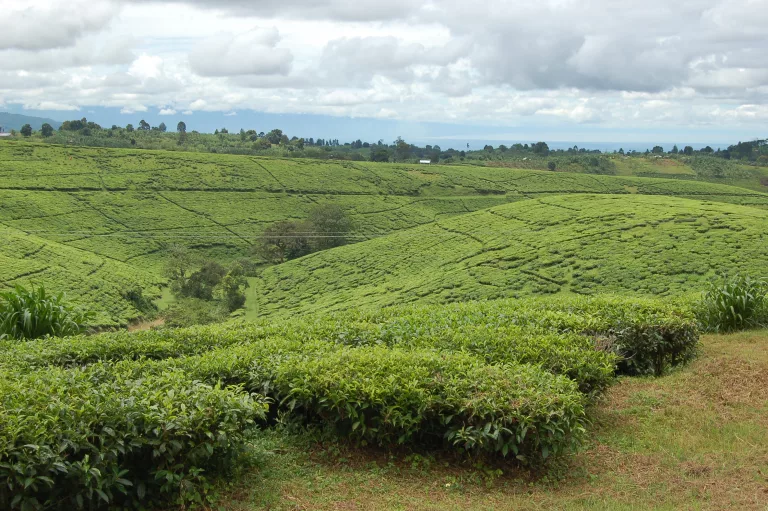
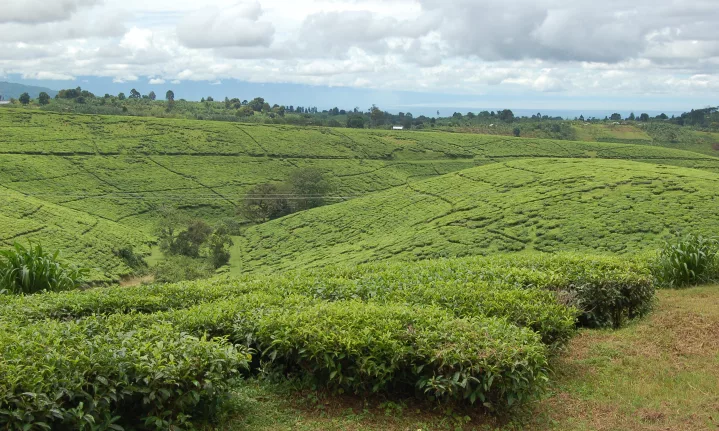
Tea fields at Kyimbila near Tukuyu town/Joachim Huber/Wikimedia Commons
After the hike, continue towards Tukuyu, a small highland town in Rungwe District.
The surrounding countryside is lush and agricultural, with tea and coffee among the crops associated with the Southern Highlands. A plantation or farm visit can add another dimension to the trip, allowing visitors to see how crops are grown in the cool mountain climate.
This is also a good place to slow down. Rather than rushing from attraction to attraction, take time to appreciate the landscape, stop for something to eat and sample locally produced coffee.
Eat like a local
Mbeya is not a destination where food needs to be complicated.
Look for familiar Tanzanian staples such as ugali, rice, beans, greens, grilled meat, plantains and chapati. Fresh produce from the surrounding agricultural areas also features heavily in local meals.
Keep an eye out for local coffee too. The Southern Highlands are an important coffee-growing area, making a freshly brewed cup a fitting way to end the afternoon.
Spend the night in the highlands
Return to Mbeya or stay around Tukuyu, depending on your itinerary and accommodation.
Staying closer to Tukuyu makes the following morning easier, particularly if you want to explore the waterfalls and volcanic landscapes around Rungwe.
ALSO READ:
Day 2: Waterfalls, rivers and forest wildlife
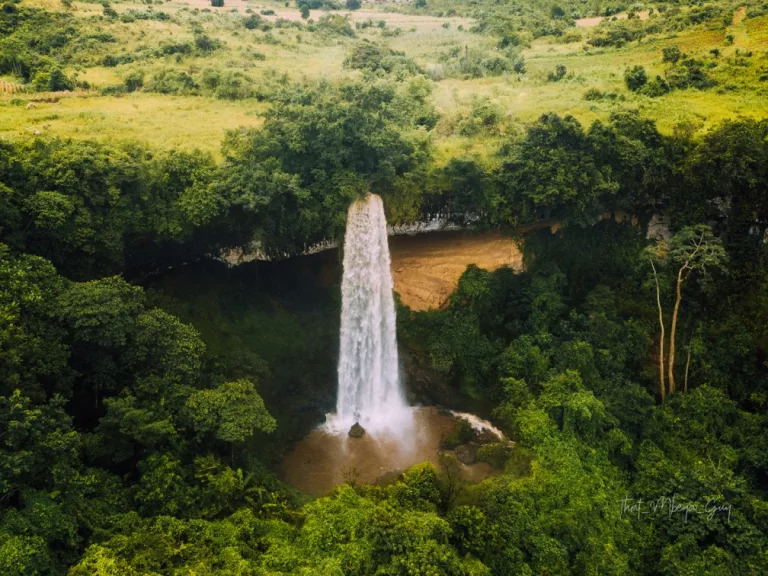
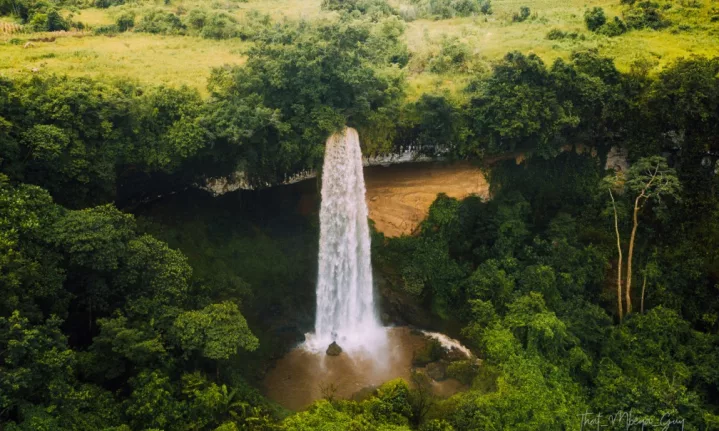
Kaporogwe Falls/uyolecte/Wikimedia Commons
Visit Kaporogwe Falls
Start your second day with a trip to Kaporogwe Falls, near Tukuyu.
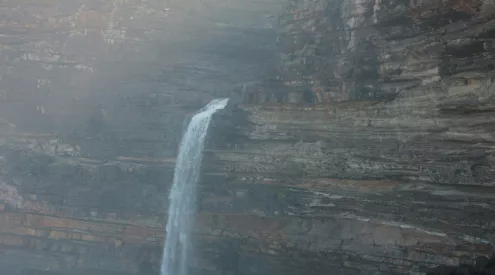
The waterfall plunges about 25m through a dramatic basalt gorge. The Kala River, a tributary of the Kiwira River, feeds it, and the surrounding Livingstone Mountains add to the scenery.
One of the attractions here is the natural cave behind the waterfall. With a local guide and suitable conditions, visitors can walk towards the falls and explore the area around the gorge.
The waterfall is particularly rewarding for travellers who enjoy combining scenery with a little adventure. Wear proper walking shoes and take care around wet rocks and steep sections.
Follow the Kiwira River
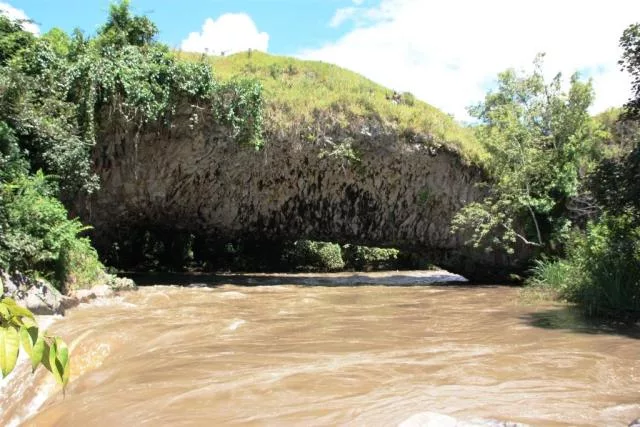
God’s Bridge on the Kiwira River/D.Tamimo Boehm/Wikimedia Commons
Continue through the Kiwira landscape, where rivers and volcanic rock formations reveal another side of the Southern Highlands.
One notable geological feature is Daraja la Mungu, or God’s Bridge, a natural formation associated with the Kiwira River. Volcanic landscapes, waterfalls and deep valleys characterise the wider area.
Rather than treating the stop as a quick photo opportunity, use it to understand the geology behind the scenery. Much of what makes Mbeya visually striking comes from the region’s volcanic past.
Look for forest wildlife
Mbeya offers wildlife experiences that feel very different from the classic Tanzanian safari.
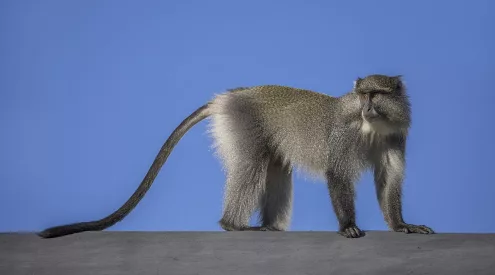
The Mount Rungwe forests are home to the kipunji, a rare monkey endemic to the area. Tanzania Forest Services also records black-and-white colobus monkeys and rich birdlife within the reserve.
Sightings of wild animals are never guaranteed, so the focus should be on exploring the forest rather than treating the experience like a conventional game drive.
For birders and nature lovers, this can be one of the most rewarding parts of the trip.
Take in the mountain views
If you still have energy, finish the afternoon with a shorter walk or viewpoint around the Mbeya highlands.
Mount Rungwe rises to 2,981m and is the highest peak in Tanzania’s Southern Highlands, while Mbeya Peak and Loleza Peak provide additional opportunities for mountain scenery closer to the city.
A full mountain hike requires more time and planning, so keep it separate from this 48-hour itinerary unless you’re an experienced hiker and have arranged a suitable guide.
If you have more time
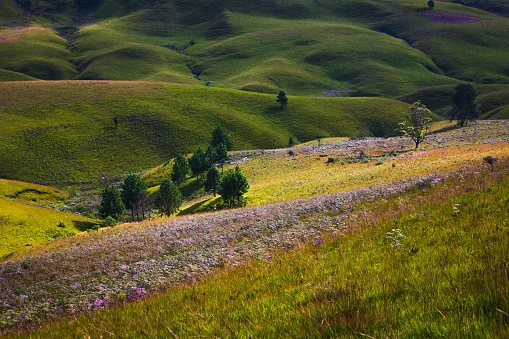
Kitulo National Park/By: Daniel Msirikale/iStock
Add Kitulo National Park
Travellers with an extra day or two can extend their trip to Kitulo National Park, known locally as Bustani ya Mungu, or the Garden of God.
The high-altitude plateau is famous for its wildflowers, orchids, grasslands and birdlife. Tanzania’s tourism authority records around 350 species of wildflowers in the park, with the main flowering period running from roughly November to April.
Kitulo is therefore best treated as an extension rather than something to squeeze into this itinerary. Its distance from Mbeya and seasonal conditions make it much more enjoyable when given a dedicated day.
Head towards Lake Nyasa
Another option is to continue south towards Lake Nyasa, also known as Lake Malawi.
The lake lies below the mountains and offers a striking contrast to the cool highlands. Matema Beach, on the Tanzanian shore, is one of the region’s better-known places for relaxing beside the lake, with mountain scenery providing the backdrop.
It is an ideal addition for travellers who want to turn a short Mbeya visit into a longer Southern Highlands road trip.
Getting to Mbeya
Mbeya can be reached by road, rail or air. Songwe Airport serves the region, while the TAZARA railway connects Mbeya with other parts of Tanzania and Zambia. The Tanzania Forest Services also lists road access from Dar es Salaam via the Tanzania-Zambia highway.
Once in the region, a private vehicle with a knowledgeable local driver or guide is useful for reaching attractions outside Mbeya city.
Conditions can vary between the highlands and lowlands, so allow extra time for road journeys and check local conditions before setting out, particularly during the rainy season.
When to go
Your choice of season depends on what you want to see.
The Southern Highlands are cooler and wetter than much of Tanzania, with the landscape becoming particularly lush during the rainy period. Kitulo’s wildflowers are generally at their best from November to April, while the park can be cold and foggy during the June to August period.
For hiking, waterfalls and general landscape photography, check local weather and trail conditions before travelling.
Why Mbeya belongs on your Tanzania itinerary
Mbeya offers a refreshing alternative to Tanzania’s better-known safari destinations.
Here, the attractions are not just animals on an open plain. They are crater lakes hidden in forests, waterfalls cutting through volcanic rock, mountains rising above farms, cups of highland coffee and rare wildlife found in forests that few international travellers get to experience.
Give Mbeya 48 hours, and you will be rewarded with a quieter Tanzania, one where the Southern Highlands are the destination rather than simply a route between better-known places.
Follow us on social media for more travel news, inspiration, and guides. You can also tag us to be featured.
Instagram | Facebook | Twitter | Spotify
ALSO READ:





.jpg)

