
You do not have to wait for summer to enjoy South Africa’s coastal escapes. In fact, travelling during the quieter months can reveal a different side of the country’s seaside towns.
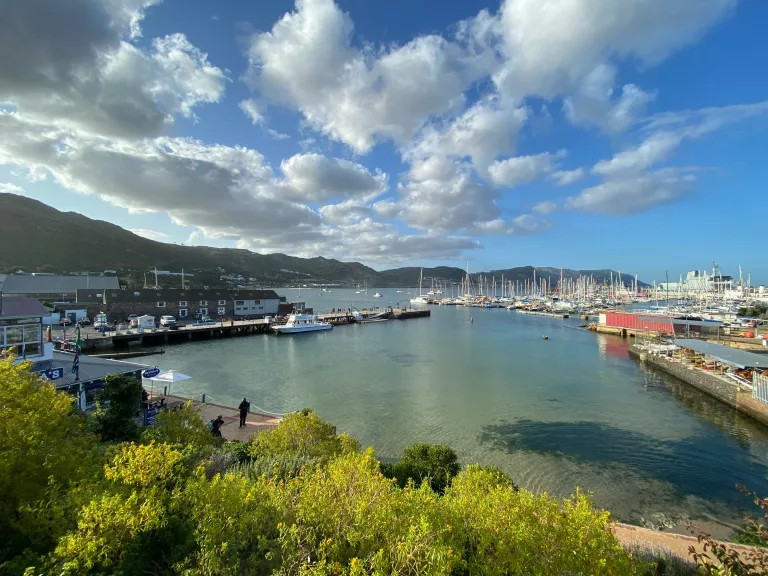
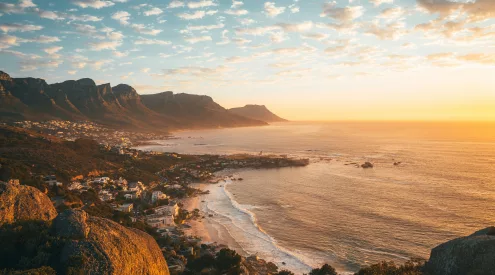
Photo by Bernd M. Schell / Unsplash
There are fewer crowds, cooler temperatures in the south and, in some parts of the country, mild winter days that are perfectly suited to hiking, whale watching and long walks along the beach. From the fishing villages of the Western Cape to the subtropical coastline of KwaZulu-Natal, these are some of South Africa’s best coastal escapes for an off-season break.
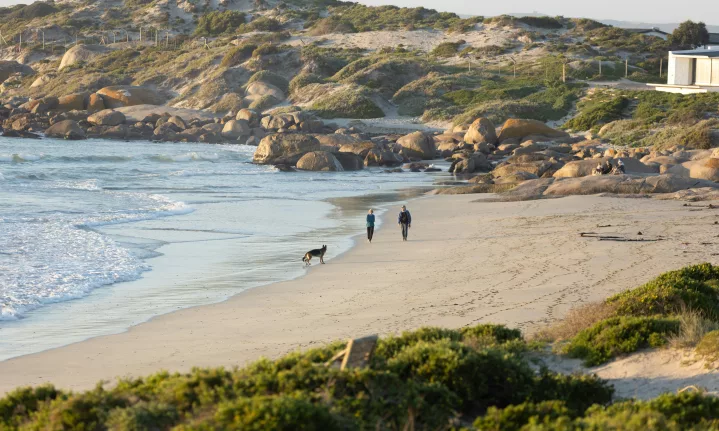
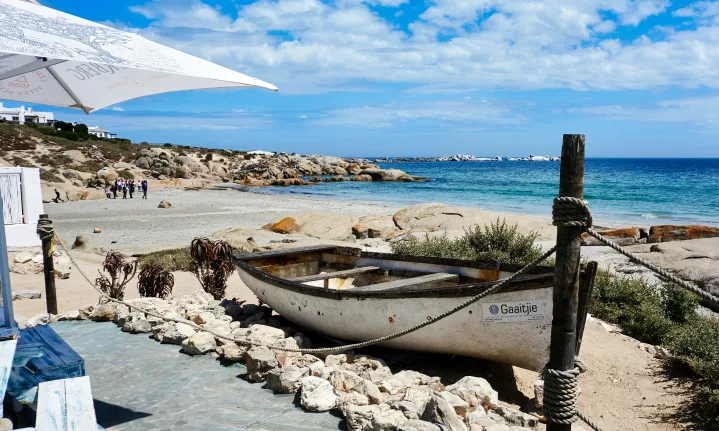
Paternoster, Western Cape
Paternoster is one of the West Coast’s oldest fishing villages, where traditional wooden fishing boats remain part of everyday life. Its name means ‘Our Father’ in Latin and is associated with prayers said by Portuguese sailors following a shipwreck along the coast.
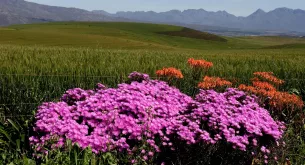
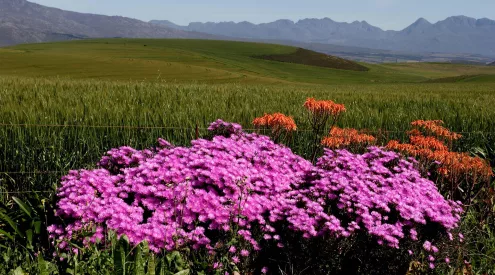
The village is particularly appealing outside summer. Winter brings cooler, calmer days, snoek fishing and the chance to spot whales offshore. By August and September, the surrounding landscape begins to transform as wildflowers appear across the West Coast.
Spend your time walking the long white-sand beach, eating fresh seafood or exploring Cape Columbine Nature Reserve. The reserve includes the Cape Columbine lighthouse and stretches along a rugged section of coastline where hiking, kayaking, birdwatching and other outdoor activities are possible.
Why go: For winter seafood, whale watching, wildflowers and a slower version of the West Coast.
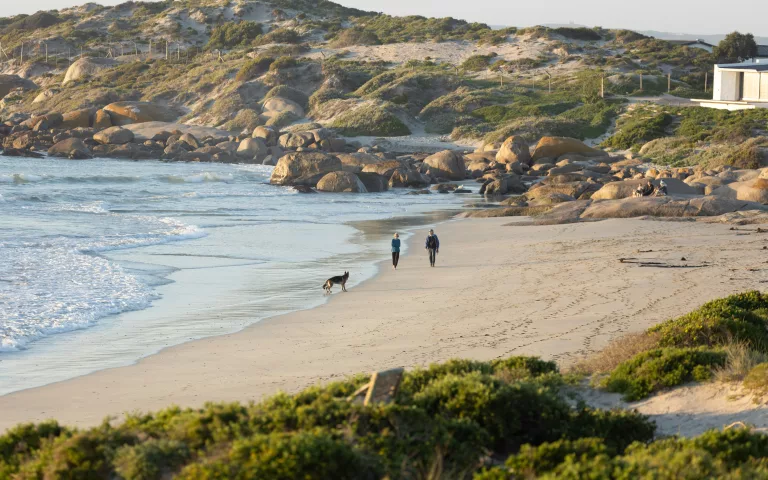
Photo by Mark Bloomfield / Unsplash
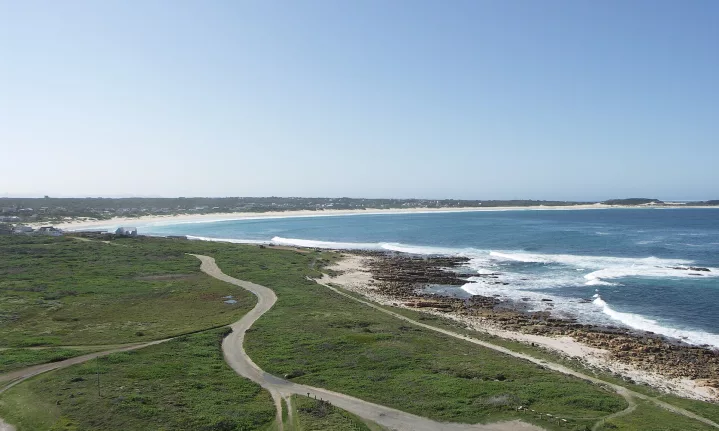
Yzerfontein, Western Cape
About 90km north of Cape Town, Yzerfontein grew from a farm bought by the Katz family in the 1930s into the small coastal town it is today. Its fishing heritage remains visible around the harbour, while the old lime kilns on the road into town offer a glimpse into an earlier chapter of its history.
The biggest draw is Sixteen Mile Beach, one of the longest uninterrupted beaches on the South African coastline. But this is a destination better explored on foot than from a beach towel. The roughly 2km Schaap Eiland Hiking Trail follows the coast towards the harbour, with birdlife, fishing coves and views across the Atlantic.
Winter and early spring also bring whale-watching opportunities, while August to October is when the surrounding fynbos and wildflowers begin putting on their annual display. Nearby attractions include !Khwa ttu San Culture and Educational Centre, West Coast National Park and the West Coast Fossil Park.
Why go: For long coastal walks, whales, fynbos and a quiet break within easy reach of Cape Town.
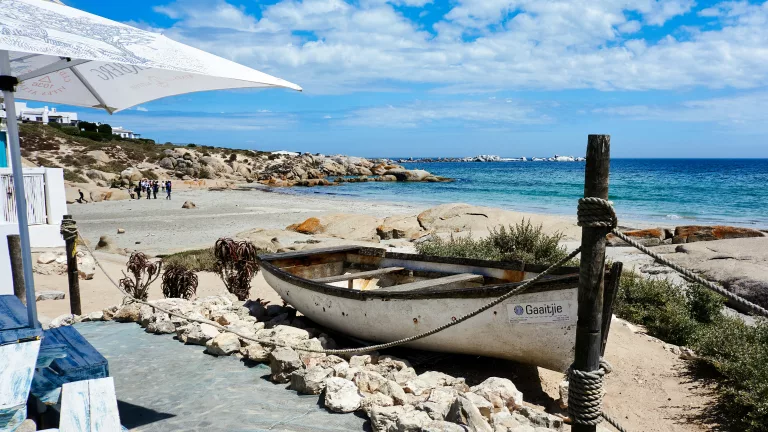
Photo by Simon Hurry / Unsplash
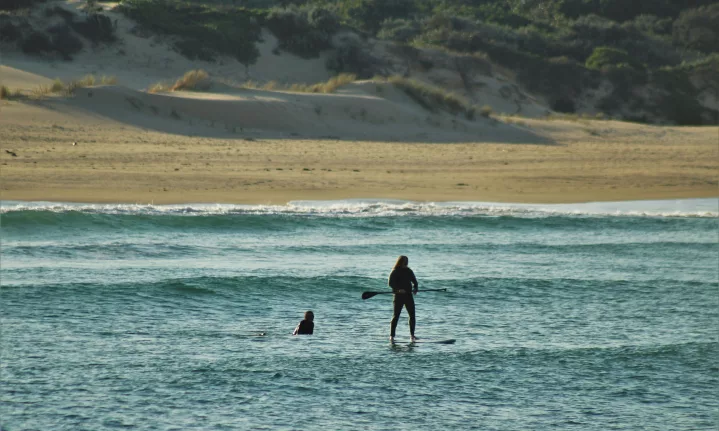
Cape St Francis, Eastern Cape
Cape St Francis has the laid-back feel of a traditional seaside village, but its maritime history runs deep. The Seal Point Lighthouse was built in 1878 and, at 27.75m, remains the tallest masonry lighthouse in South Africa.
The cooler months are particularly attractive for surfers, with the area’s most consistent waves generally occurring from May to mid-September, often accompanied by offshore winds.
Even if you have no interest in surfing, there is plenty to keep you outside. Walk along the coastline, explore the harbour and visit Seal Point. The lighthouse is open to visitors and offers views over the surrounding coastline. The wider St Francis area also has walking routes, golf courses, restaurants and other water-based activities, making it easy to build a relaxed weekend around the coast rather than trying to squeeze everything into one day.
Why go: For quieter beaches, winter surf and one of South Africa’s most distinctive lighthouse landmarks.
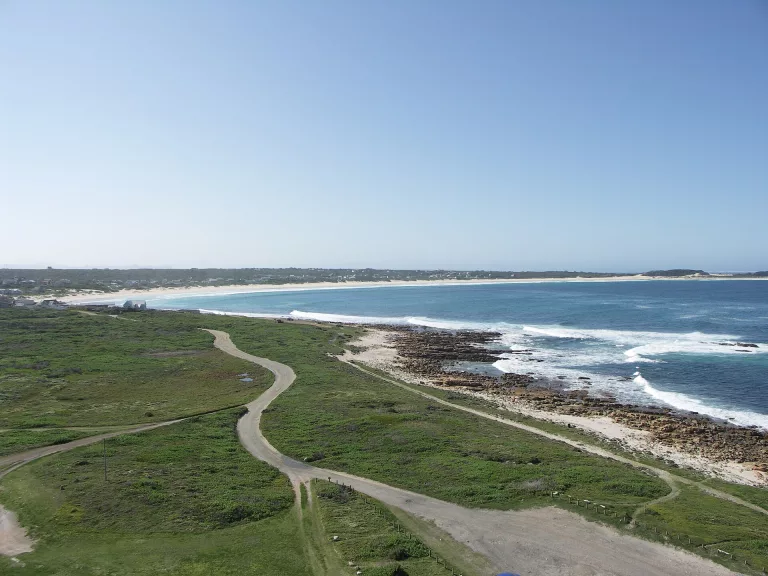
Photo by NJR ZA / Wikimedia Commons
Port Alfred, Eastern Cape
Port Alfred sits where the Kowie River meets the Indian Ocean, giving it a useful advantage over many coastal towns: you can spend the day between the river and the sea.
The town was established after the first ship entered the Kowie River in 1821. Wharf Street, dating to the same period, remains one of its historical reminders, while the former harbour played an important role in the town’s early development before falling into disuse after the railway reached the area.
Today, the river is better suited to recreation than commerce. Visitors can canoe, stand-up paddle, ski or tube along the Kowie, while East Beach is popular for surfing, fishing and long walks. The surrounding area also offers easy access to Bathurst, with its collection of historic 1820 Settler buildings and monuments.
Why go: For a combination of beach, river activities, surfing and history without the intensity of a major resort town.
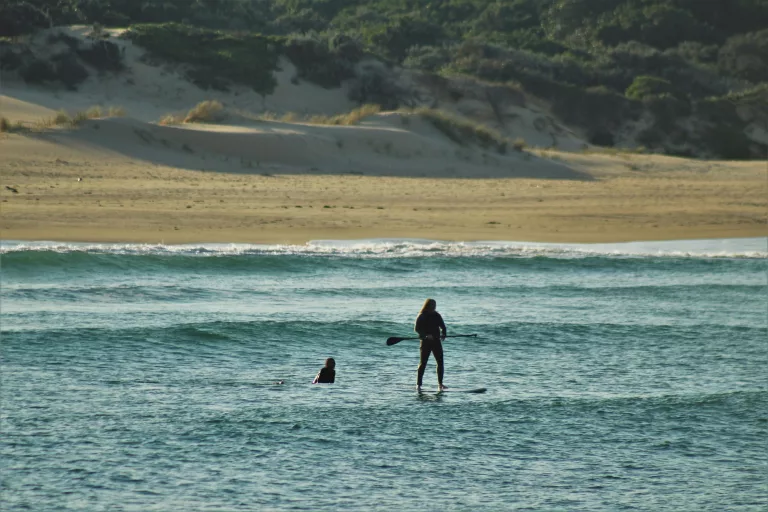
Photo by Nicolien Botha / Unsplash
The Wild Coast, Eastern Cape
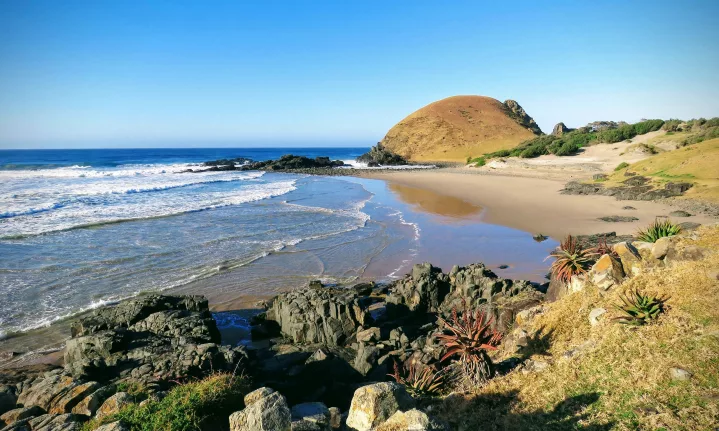
For a genuine escape, few stretches of coastline compete with the Wild Coast. The region is traditionally associated with Xhosa, Thembu and Mpondo communities and is characterised by dramatic cliffs, grass-covered hills, forests, rivers and beaches.
Winter is one of the best times to explore it. July to September are generally the coolest and driest months, while the middle Wild Coast can see winter daytime temperatures around 21°C. July also coincides with increased whale and dolphin activity, the sardine run and the flowering of aloes and coral trees.
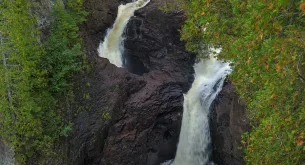
This is hiking country. Trails wind through forests and across open hills, while the coastline around Port St Johns, Coffee Bay and the surrounding reserves offers lagoons, waterfalls and dramatic coastal scenery. Mkhambathi Nature Reserve is particularly rewarding, with hiking trails, wildlife and waterfalls that tumble towards the ocean. Do not come here expecting a neatly packaged resort holiday. The Wild Coast rewards time, sturdy shoes and an appetite for exploring.
Why go: For mild winter weather, dramatic scenery, hiking and some of the country’s most spectacular coastal wilderness.
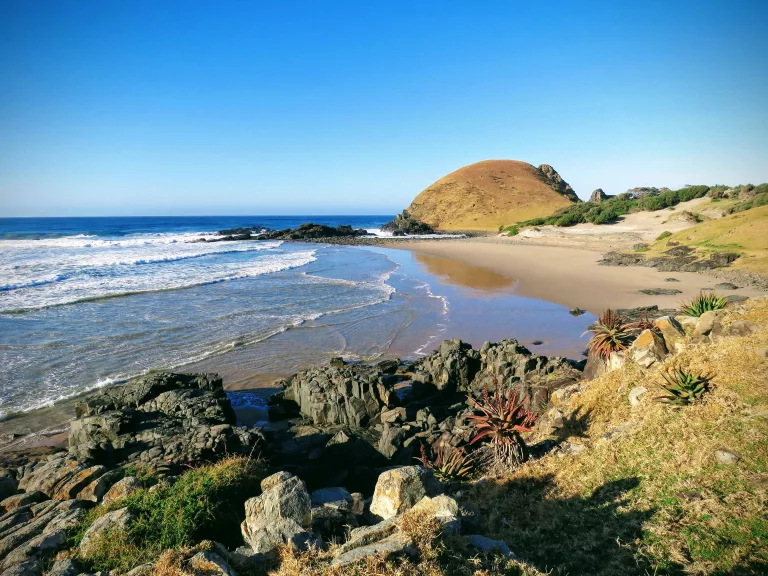
Photo by Joshua Gaunt / Unsplash
The case for an off-season coast
South Africa’s coast does not disappear when summer ends. It simply changes. Winter brings whales to parts of the Western and Eastern Cape, better surfing conditions around Cape St Francis, cooler hiking weather along the Wild Coast and warm, relatively dry days on the KwaZulu-Natal South Coast. Spring then adds wildflowers to the West Coast landscape.
The best off-season escape, then, depends less on finding the warmest beach and more on deciding what you want from the coast. Come for the wildlife, stay for the walks, history, food and slower pace. Because sometimes the best time to visit the seaside is when everyone else has gone home.
Follow us on social media for more travel news, inspiration, and guides. You can also tag us to be featured.
Instagram | Facebook | Twitter | Spotify
ALSO READ: