
Botswana is known for its wild landscapes, exceptional safari experiences and vast stretches of untouched wilderness, but there is more to the country than game drives. It is also home to two UNESCO World Heritage Sites: the Okavango Delta and Tsodilo.
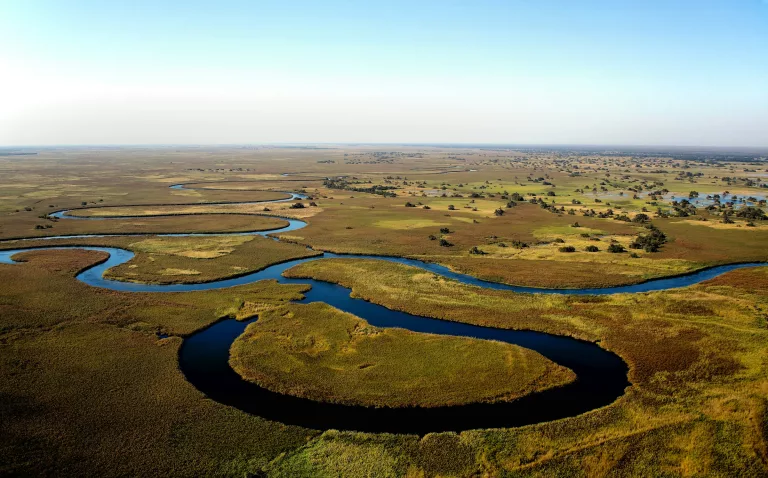
Photo: Unsplash
The two sites could hardly be more different. One is a vast inland wetland shaped by water and wildlife; the other is a collection of ancient quartzite hills filled with rock art and stories of human history stretching back more than 100 000 years. Both offer travellers a chance to see a very different side of Botswana – and both are worth adding to a trip through the country.
Okavango Delta
If Botswana’s landscapes had a showstopper, the Okavango Delta would be it.
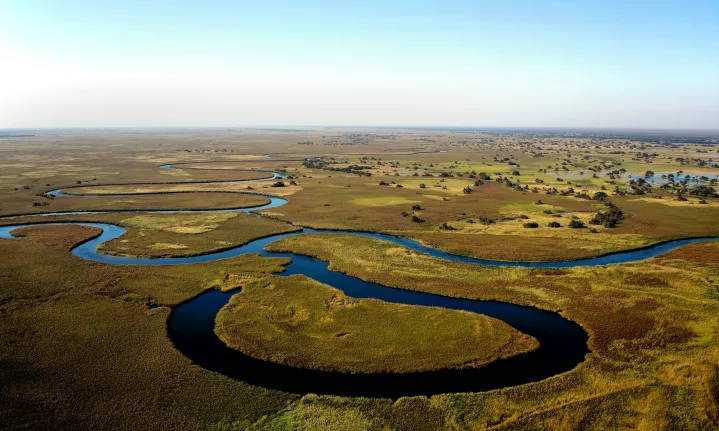
Found in the north-west of the country, this enormous inland delta is one of the world’s few major delta systems that does not flow into the sea. Instead, the waters of the Okavango River spread into the Kalahari Basin, creating a spectacular network of permanent wetlands, seasonal floodplains, channels, islands and grasslands.
It is this relationship between water and an otherwise dry environment that makes the Okavango so extraordinary. The annual flood arrives during Botswana’s dry winter, transforming parts of the landscape just as water becomes increasingly scarce elsewhere.
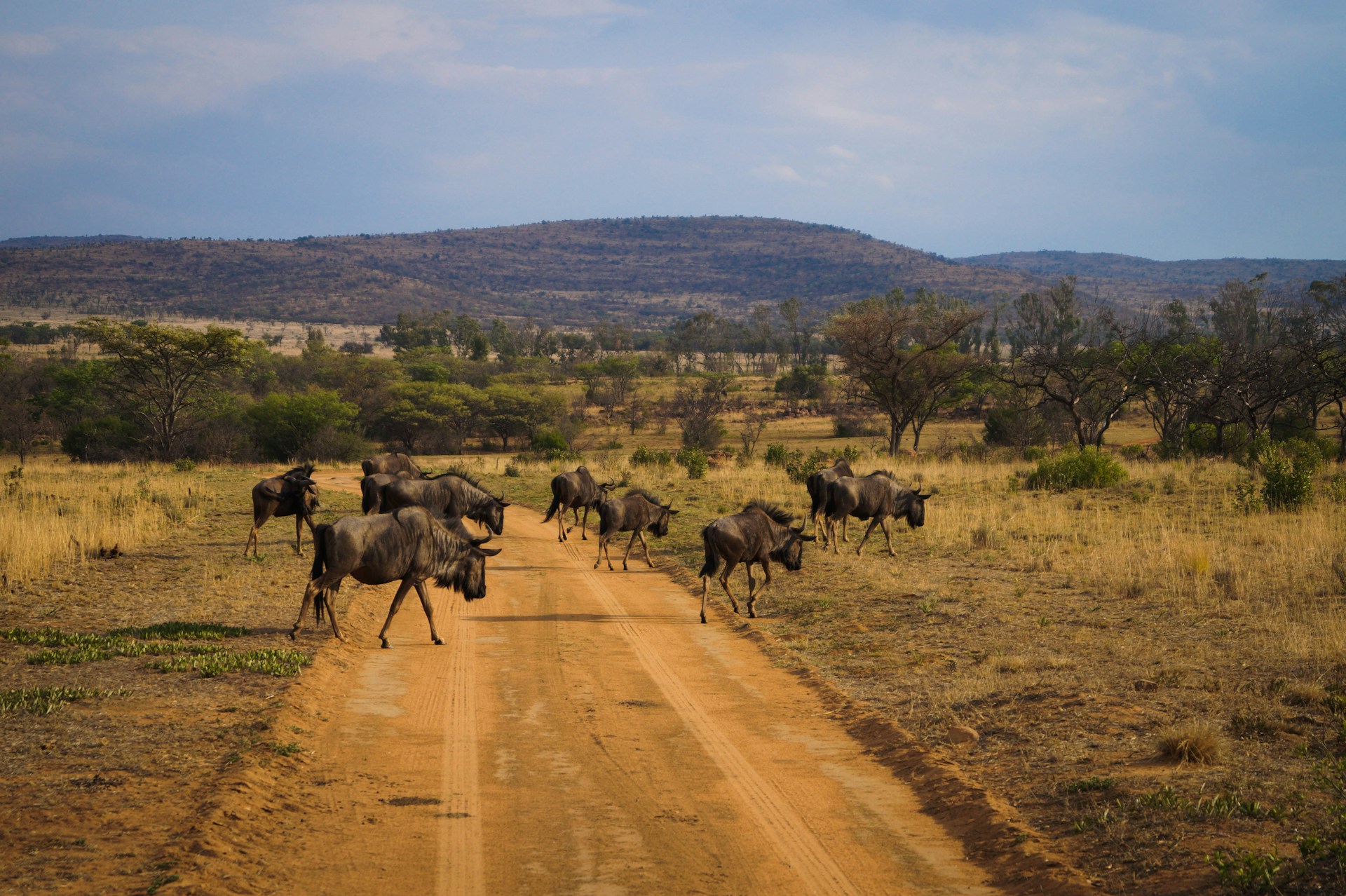
The UNESCO World Heritage property covers more than two million hectares, and its remarkable ecosystems support an impressive variety of wildlife. Elephants, buffalo, zebra, red lechwe, hippos, crocodiles, lions and wild dogs are among the species found here, while the Delta is also an important habitat for threatened species including cheetah and both black and white rhino.
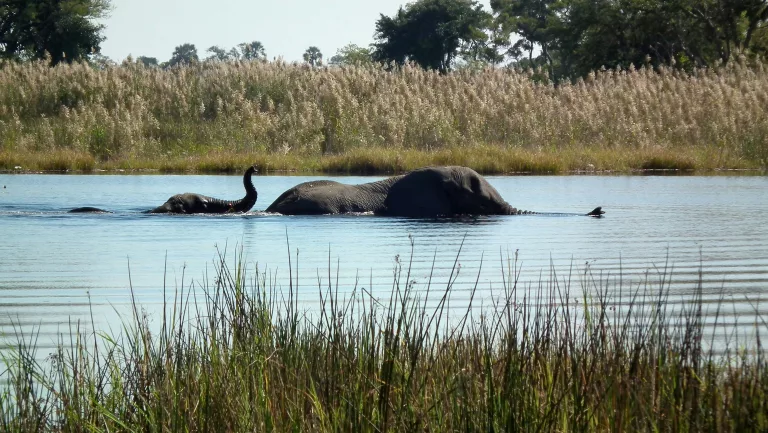
Photo: Unsplash
Why visit the Okavango Delta?
The Okavango is the kind of destination where the journey is as much about the landscape as the animals.
A traditional mokoro ride takes you quietly through the Delta’s waterways, with a local poler guiding the canoe between reeds and channels. Game drives offer a completely different perspective, while boating, birdwatching and walking experiences provide plenty of ways to experience the wetland.
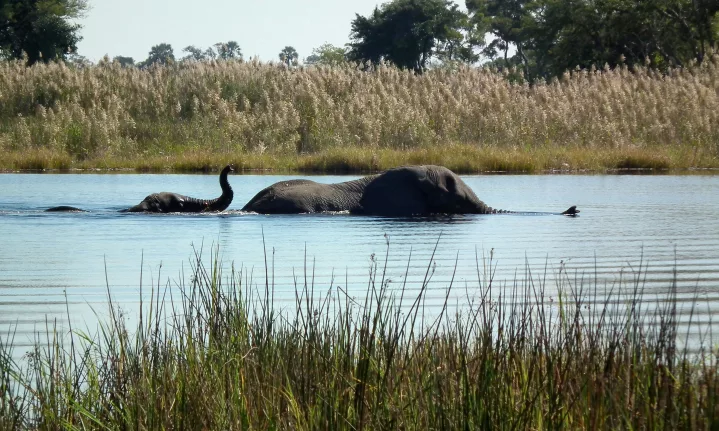
And then there are those quintessential Botswana moments: watching elephants move through the shallows, spotting hippos from the water, drifting beneath palms and papyrus or sitting outside camp as the sun disappears over the floodplains.
The Delta is also particularly appealing for travellers who want a safari that feels less conventional. Instead of spending every day in a vehicle, you can experience the landscape from the water, on foot and from the banks of its winding channels.
Good for: wildlife, photography, birdwatching, safari, water-based adventures and travellers looking for a classic Botswana wilderness experience.
Tsodilo
On the other side of Botswana’s travel spectrum is Tsodilo, a dramatic collection of quartzite hills rising from the Kalahari landscape in the country’s north-west.
It is sometimes referred to as the ‘Louvre of the Desert’, thanks to its extraordinary concentration of ancient rock art. UNESCO records more than 4 500 paintings within an area of just 10 km². The archaeological record here stretches back at least 100 000 years, making Tsodilo an extraordinary place to consider the depth of human history in southern Africa.
The hills are also culturally significant. Tsodilo remains a sacred landscape for local San and Hambukushu communities, who regard the hills, waterholes and surrounding area as spiritually important.
This is what makes Tsodilo so much more than a collection of old paintings. The landscape connects archaeology, spirituality, geology and living cultural traditions in one remarkably remote destination.
What can you do at Tsodilo?
Tsodilo is best experienced slowly. There are walking trails through the hills, including the Rhino, Lion and Cliff trails, where visitors can see rock paintings while taking in the surrounding Kalahari landscape. Guided visits can also be arranged with people from nearby communities.
The Tsodilo Museum offers another way to understand the history of the area before heading out onto the trails.
And while the rock art is undoubtedly the main attraction, don’t underestimate the landscape itself. The isolated hills rising from the surrounding scrub make for a striking contrast – particularly when viewed against the wide, open Kalahari.
Good for: history, archaeology, hiking, rock art, photography and travellers interested in Botswana’s cultural heritage.
Why these two sites belong on your Botswana itinerary
One of the best things about visiting Botswana is the sheer variety packed into its landscapes. The Okavango Delta shows the extraordinary relationship between water, wildlife and the desert, while Tsodilo offers a glimpse into the people who have lived in and connected with this landscape for thousands of generations.
Together, they make a compelling case for travelling beyond the usual safari checklist.
Yes, Botswana is a fantastic destination for seeing elephants, lions and wild dogs. But it is also a place of ancient rock art, sacred landscapes, extraordinary geology and ecosystems that work in ways found almost nowhere else on Earth.
And that, perhaps, is the best reason to put both UNESCO World Heritage Sites on your Botswana travel list.
Planning a trip to Botswana?
If you have the time, consider combining an Okavango Delta safari with a visit to Tsodilo for a trip that balances wildlife with history and culture. The two sites offer completely different experiences, making them a natural pairing for travellers who want to see more than just one side of Botswana.
For official visitor information, Botswana Tourism Organisation’s guides to the Okavango Delta and Tsodilo Hills are useful starting points.
ALSO SEE: South Africa’s 12 UNESCO World Heritage Sites