
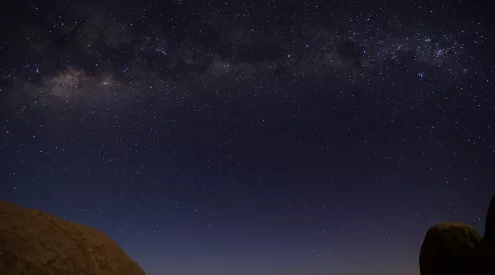

Travelling can be more than a chance to see wild places. The money travellers spend, the experiences they choose and the way they behave around nature can all influence conservation.
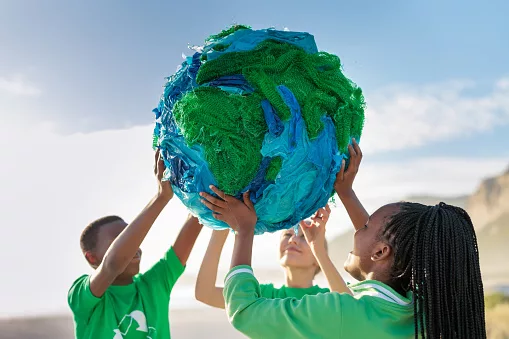
Image used for illustrative purposes/By: Alistair Berg/Getty Images
You don’t need to spend your holiday planting trees, working at a wildlife rehabilitation centre or joining a conservation project to make a contribution. Simply making more thoughtful choices when planning and enjoying a trip can help support protected areas, local communities, and conservation organisations.
Here are five practical ways travellers can make their next holiday count.
1. Pay to visit protected areas
Your entrance fee can help keep natural areas protected
One of the simplest ways to contribute to conservation is to visit places where tourism revenue helps support their continued protection.
South Africa’s national parks charge daily conservation fees, with the amount varying between parks. SANParks says all visitors to its parks pay a daily conservation fee.
These fees form part of the income generated by the organisation. SANParks’ 2025/26 planning documents forecast almost R967 million in conservation-fee income for the financial year, illustrating the scale at which visitor contributions can support the national park system.
A visit to a national park therefore does more than give you a day of wildlife viewing. It also puts money into the system responsible for managing these protected landscapes.
Travellers can go a step further by staying inside a national park, booking activities through the park, or returning to lesser-known protected areas rather than concentrating all their trips around a handful of famous destinations.
Even a short day visit contributes.
2. Spend money where local communities benefit
Choose locally owned experiences when possible
Conservation and communities are closely connected. People living around protected areas need opportunities to benefit from tourism if natural landscapes and wildlife are to remain valuable long-term.
Travellers can support this by looking beyond large tourism companies and considering locally owned guesthouses, restaurants, guides, craft businesses and cultural experiences.
This doesn’t mean every locally owned business is automatically a conservation initiative. Instead, the idea is to keep more tourism spending within the destination and seek out experiences that clearly involve local people.
SANParks sees parks as catalysts for local economic development, including jobs, business opportunities, and other benefits for surrounding communities.
Look beyond the main attraction
A wildlife trip doesn’t have to consist entirely of a game drive booked through a large lodge.
You could hire a local guide, eat at a community-run restaurant, buy directly from local makers or visit a cultural attraction. On a coastal trip, consider locally operated marine tours or businesses clearly connected to protecting the surrounding environment.
The result is a holiday where your spending supports more than just accommodation and transport.
ALSO READ:
Norway creates huge new marine protected area home to whales and seabirds
3. Choose wildlife experiences that put animals first
You don’t need to touch wildlife to have a memorable encounter
Responsible wildlife tourism starts with remembering that wild animals are not there for entertainment.
When choosing an animal encounter, look for experiences where animals can behave naturally and where visitors are expected to observe rather than touch, feed, chase or handle them.
A safari, whale-watching trip, birding excursion or guided walk can provide memorable wildlife encounters without requiring direct interaction with an animal.
Travellers should also be cautious about attractions that advertise opportunities to pose with wild animals, ride animals or handle young animals. Asking how the animals are sourced, housed and cared for can reveal whether an experience is genuinely focused on their welfare.
Follow the rules when you’re in the wild
Responsible wildlife tourism doesn’t stop once you’ve booked the right activity.
Keep your distance from animals, stay on designated routes, obey park regulations and don’t try to attract an animal closer for a photograph.
A better wildlife photograph is one that records an animal behaving naturally, rather than one that requires the animal to change its behaviour for a visitor.
4. Donate to conservation if you can
Your holiday doesn’t have to include volunteering
Travellers who have some money left over after booking their trip can make a direct contribution to a conservation organisation.
It doesn’t have to be a large donation. WWF South Africa, for example, currently accepts once-off and monthly donations and says contributions support work to protect and restore important natural areas and wildlife.
Another option is to look at whether the protected area, reserve or conservation organisation you are visiting has its own fundraising programme.
Some organisations also offer symbolic animal adoptions, allowing travellers to support conservation without physically participating in a project. WWF South Africa currently offers symbolic adoptions linked to wildlife conservation.
Make sure you know where your money is going
Before donating, check the organisation’s website and look for information about its conservation work, governance and how donations are used.
Travellers should also be wary of making spontaneous donations to unofficial individuals or organisations encountered during a trip.
A small donation to a reputable organisation can be more meaningful than paying for an experience simply because it has the word ‘conservation’ in its marketing.
5. Leave nature as you found it
Everyday behaviour matters
Conservation isn’t only about giving money. Travellers can also help by reducing the pressure their visits place on natural areas.
That means sticking to marked trails, taking rubbish home when bins aren’t available, avoiding disturbing wildlife and plants, respecting closures and following instructions from park staff and guides.
Something as simple as not picking flowers, feeding animals or removing rocks, shells and other natural objects can help protect the places that people have come to see.
SANParks’ approach to tourism includes the protection of natural and cultural heritage, while visitor fees and tourism income contribute to the management of its protected areas.
Think beyond your own holiday
The easiest way to think about responsible travel is to ask whether the place you are visiting will be better, unchanged or worse because you were there.
That could mean choosing a quieter trail rather than putting pressure on an overcrowded attraction, travelling outside peak periods where appropriate, or simply giving wildlife the space it needs.
The goal isn’t to make every holiday perfect. It is to make choices that place less pressure on the natural world while supporting the people and organisations working to protect it.
Conservation can be part of an ordinary holiday
You don’t have to give up your annual holiday or spend your entire trip volunteering to contribute to conservation.
Paying conservation fees, supporting local businesses, choosing responsible wildlife experiences, donating when you can and respecting natural areas are all relatively simple ways to make tourism work harder for the places travellers come to enjoy.
The next time you plan a trip, consider not only what you want to see, but also what your visit can contribute to protecting.
Follow us on social media for more travel news, inspiration, and guides. You can also tag us to be featured.
Instagram | Facebook | Twitter | Spotify
ALSO READ:
6 places where kids can experience nature with all five senses