



Somewhere along the way, being a tourist became something of a travel faux pas.
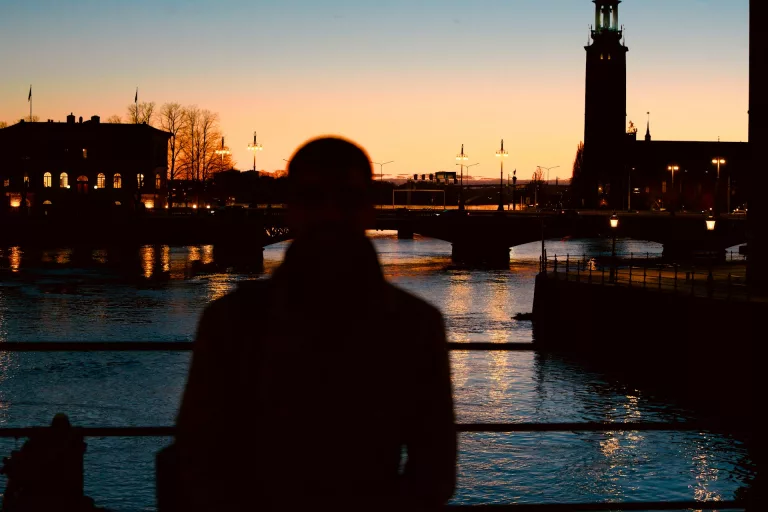
Image used for illustrative purposes/Garvit Nama/Unsplash
We have been told to avoid the tourist traps, eat where the locals eat, find the neighbourhoods tourists have not discovered yet and experience a destination “like a local”. The implication is that the more closely we can imitate someone who actually lives there, the better traveller we are.
But here is the thing: you are a tourist. And that is perfectly fine.
There is no prize for pretending you live in Paris when you have arrived for four days. You do not need to know the secret bakery, avoid every famous attraction or pretend that you have always taken the tram to work. You are visiting somewhere because it is different from home. You are curious about it. You want to see things, eat things, learn things and experience a place that other people call home. The important part is remembering that it is home to someone.
There is nothing wrong with the tourist trail
Popular attractions became popular for a reason. The Eiffel Tower is worth seeing. So is Table Mountain. The canals of Amsterdam, the Colosseum in Rome and Victoria Falls have attracted travellers for generations because they are genuinely remarkable places. You do not have to apologise for wanting to see them. The problem is less about being a tourist and more about being a thoughtless one. There is a significant difference between visiting a famous landmark and treating the surrounding city as a theme park.
Take photographs, buy the ticket, join the tour and marvel at the view. Just remember that the people serving your coffee, driving your taxi, cleaning your hotel room and commuting past the attraction every morning are living their ordinary lives around your extraordinary holiday.
You are a guest, not an extra in somebody else’s city
One of the biggest problems with the “live like a local” mentality is that it can turn other people’s everyday lives into a travel experience designed for visitors. A residential neighbourhood is still a neighbourhood when it appears on TikTok. A market is still a place where people buy groceries. A quiet beach is still someone’s local swimming spot. A street with colourful houses is still home to people who may not appreciate strangers standing outside their windows taking photographs.
Being a respectful tourist means recognising that distinction. Keep noise down in residential areas. Follow local rules. Do not enter private property for a better photograph. Ask before photographing people, particularly children. Dress appropriately when visiting religious or culturally significant places. Learn a few words of the local language, even if you immediately butcher the pronunciation.
And if a sign says no photography, the answer is no photography.
Spend your money thoughtfully
Tourism can be a powerful force for local economies, and travellers have more influence than they sometimes realise. That does not mean you need to avoid every international hotel chain or only eat at places with three followers on Instagram. It means thinking about where your money goes.
Book a locally owned guesthouse when it makes sense. Eat at independent restaurants. Visit small museums and galleries. Buy crafts from the person who made them rather than a mass-produced souvenir that happens to have the destination’s name printed on it.
If you take a tour, look for operators that employ local guides and have clear commitments to conservation or community development. And remember that “local” does not automatically mean “better”. A business can be locally owned and still treat workers badly or operate irresponsibly. Responsible tourism requires a little more thought than simply searching for the word “local” on a booking website.
You can still have the full tourist experience
Being a good tourist does not mean turning your holiday into an endless exercise in ethical anxiety. You can ride the sightseeing bus. You can buy the cheesy souvenir. You can visit the museum everyone told you was overcrowded. You can take the cable car instead of hiking up the mountain. You can order the dish recommended by every guidebook. You are allowed to enjoy yourself. The goal is to travel with curiosity rather than entitlement.
Before your trip, learn a little about the destination. Understand basic customs and etiquette. Check whether there are clothing requirements at religious sites. Research environmental rules in national parks. Find out whether tipping is expected. Download public transport apps if necessary.
Once you arrive, pay attention. Watch what locals do. Listen when someone tells you that something is inappropriate. Be patient when language gets in the way. Do not assume that the way things work at home is the universal standard. And perhaps most importantly, leave places in a condition that allows the people who live there to continue enjoying them.
Being a tourist is a privilege
There is something wonderfully freeing about admitting that you are a tourist. You do not have to perform authenticity. You do not need to convince anyone that you have uncovered a destination’s “real” side. You can simply arrive as yourself, knowing that you are temporarily stepping into somebody else’s home.
That mindset can make travel better.
You become more interested in the history behind the monument rather than simply getting the photograph. You notice the person selling fruit at the market. You learn why a particular street looks the way it does. You start asking questions instead of making assumptions.
So take the photograph. See the famous sights. Eat the regional speciality. Buy the postcard. Sit on the tourist bus and listen to the guide. Just remember to say please, pay fairly, follow the rules and move out of the way when someone is trying to get to work.
There is absolutely nothing wrong with being a tourist. There is everything right with being a good one.
Follow us on social media for more travel news, inspiration, and guides. You can also tag us to be featured.
Instagram | Facebook | Twitter | Spotify
ALSO READ:
The Devil’s Kettle: The Minnesota waterfall that appears to swallow half its river