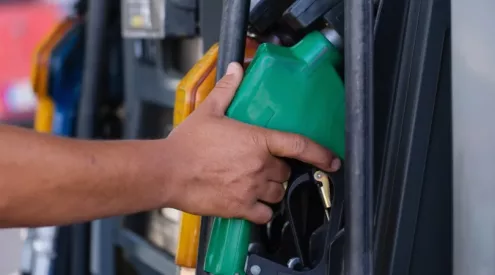





South African motorists are facing another sharp fuel price increase this week, with petrol and diesel prices expected to climb by more than R3 a litre in some cases.
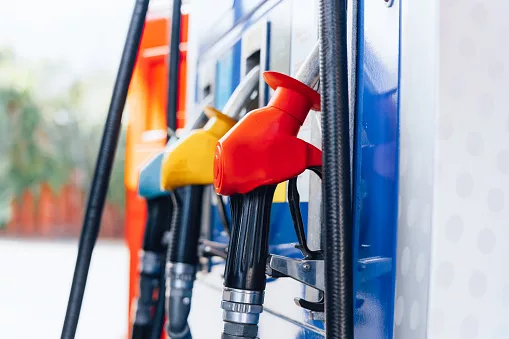
Image used for illustratibe purposes/By: Supachai Panyaviwat/Wikimedia Commons
According to the latest Central Energy Fund (CEF) data reported by IOL, 93 Unleaded petrol is projected to increase by around R3.08 a litre, while 95 Unleaded could rise by approximately R3.29. Diesel prices are expected to increase by between R2.80 a litre for 500ppm and R3.15 for 50ppm.
The increases are expected to take effect on Wednesday, 7 October, although the final prices could still change depending on market conditions and any possible government intervention.
What could petrol cost from Wednesday?
If the projected increases are implemented in full, IOL reports that motorists could see 95 Unleaded reach approximately R29.23 a litre at the coast and R30.10 inland.
The price of 93 Unleaded could rise to around R29.94 a litre in Gauteng.
Diesel is also expected to reach new highs, with 50ppm diesel potentially exceeding R34 a litre at the coast and R35 inland once retail margins are included.
This would mean that motorists in some parts of the country could be paying more than R30 a litre for petrol for the first time.
ALSO READ:
Road trips are about to get more expensive
The increase is likely to be felt particularly by people who rely on their cars for commuting, family trips and holidays.
IOL calculations show that a small car using around 5.5 litres of fuel per 100km would cost approximately R1.65 per kilometre to run on the projected October petrol price.
That compares with about R1.11 per kilometre in March.
For someone travelling 1,500km a month, the estimated fuel bill for a small car would rise from roughly R1,666 in March to around R2,470 in October.
Drivers of larger vehicles face an even bigger increase. A compact SUV using around eight litres per 100km could cost approximately R3,593 to fuel over 1,500km at the projected October prices.
Why are fuel prices rising?
The latest increase comes after several months of significant fuel price volatility in South Africa.
International oil prices have remained elevated amid ongoing conflict and tensions in the Middle East, with concerns about disruptions to crude oil supplies and shipping contributing to higher prices.
The Strait of Hormuz remains a particular concern for global energy markets because of its importance to international oil shipments.
South African motorists have already faced a substantial increase this year. According to IOL, 95 Unleaded rose by R6.58 between March and September, while wholesale diesel prices increased by more than R10 over the same period.
Is fuel tax relief coming?
The prospect of immediate relief appears limited.
The government temporarily reduced the General Fuel Levy by at least R3 a litre for two months in April, helping to cushion motorists from rising international oil prices.
However, Mineral and Petroleum Resources Minister Gwede Mantashe said last month that there were no immediate plans for another similar intervention.
Unless international oil prices ease significantly or the government intervenes, motorists can therefore expect higher costs at the pumps from Wednesday.
For travellers planning road trips, the latest increase is another reminder to factor fuel into the cost of a getaway, particularly when travelling long distances or driving a larger, less fuel-efficient vehicle.
Follow us on social media for more travel news, inspiration, and guides. You can also tag us to be featured.
Instagram | Facebook | Twitter | Spotify
ALSO READ:
Border authority steps up anti-corruption crackdown at South African airports