





A year after thieves stole priceless French crown jewels in a daring daylight robbery, the Louvre in Paris is still working to address serious security shortcomings. The world-famous museum is also facing mounting concerns about its ageing buildings, with its director warning that extensive repairs are needed to keep the landmark open to the public.
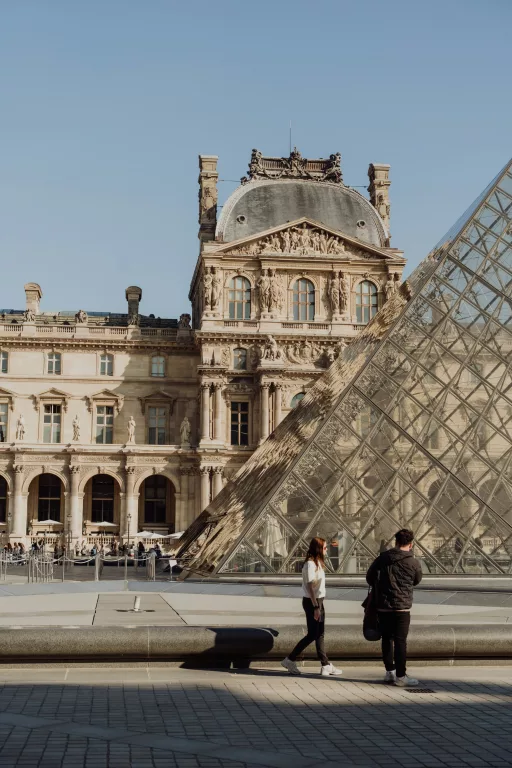
Photo: Unsplash
According to a report by IOL, drawing on reporting by AFP, the theft on 19 October 2025 exposed significant weaknesses in the museum’s security systems, including outdated surveillance cameras, insufficient equipment and the absence of a modern security control room. The incident has since prompted investigations, government scrutiny and renewed debate about how France should protect one of its most important cultural attractions.
Louvre still recovering from crown jewel theft
The robbery sent shockwaves through the international museum community. Thieves escaped with eight pieces of jewellery from the French crown jewels during a raid that took place in broad daylight, raising questions about how such a high-profile institution could be targeted so successfully.
The aftermath has been difficult for the museum. Investigations and official reports highlighted longstanding problems with its security arrangements, while criticism mounted over delays in implementing improvements.
The museum had reportedly spent only €3 million of the €83 million allocated to a security masterplan before the robbery. Administrative delays and management decisions were among the factors that slowed progress.
The fallout also contributed to a wider leadership shake-up, with former Louvre director Laurence des Cars resigning in February 2026. Christophe Leribault subsequently took over, inheriting the task of strengthening security while overseeing the museum’s broader challenges.
For staff, the incident remains a painful chapter in the institution’s history. Officials have acknowledged that restoring confidence will require more than installing additional cameras and equipment. A lasting change in how security is prioritised is also needed.
Security upgrades underway at the Paris museum
The Louvre has begun addressing some of the weaknesses identified after the theft. Under its new leadership, the museum says its security programme is progressing, although carrying out major improvements while welcoming visitors presents logistical challenges.
The institution has pledged to invest approximately €20 million annually in security measures until 2032. It has also appointed a dedicated security director, strengthening oversight of the work.
However, the challenge extends beyond protecting valuable artworks and historic objects. The museum occupies an enormous historic palace, and updating its infrastructure without compromising its architectural heritage is a complicated undertaking.
For travellers planning a visit to Paris, the developments are a reminder that even the world’s most celebrated cultural landmarks face practical challenges behind the scenes.
Ageing infrastructure raises further concerns
Security is only one part of the Louvre’s predicament. The building itself is showing signs of strain, with concerns ranging from deteriorating interiors and ageing plumbing and electrical systems to inadequate ventilation during summer and insufficient heating in winter.
The museum welcomes close to nine million visitors annually, placing considerable pressure on its facilities. While visitors may come primarily to see masterpieces such as the Mona Lisa, the scale of the institution means that maintaining its galleries, services and historic structures requires substantial investment.
Leribault has warned that the museum risks falling behind if it is not properly repaired and modernised, raising the possibility that it could eventually be forced to close its doors.
Such a prospect would have implications far beyond Paris. The Louvre is a major draw for international visitors and an important part of France’s cultural identity, making its long-term preservation a priority for the country.
Can France afford the Louvre’s ambitious renovation?
The museum’s proposed transformation, known as Louvre – Nouvelle Renaissance, was unveiled by French President Emmanuel Macron in January 2025. The plans include a new entrance and a dedicated gallery for the Mona Lisa, alongside wider changes intended to modernise the visitor experience.
The project has an estimated price tag of around €1 billion, a significant challenge as France grapples with budgetary pressures.
Not everyone supports the scale of the proposal. Critics, including union representatives, have questioned whether an ambitious architectural overhaul should take precedence over more immediate needs, such as repairing existing facilities and improving security.
There are also concerns about visitor numbers. With the Louvre already attracting millions of people each year, increasing capacity without adequately addressing congestion and the strain on its infrastructure could create further difficulties.
Leribault remains committed to the wider transformation, but securing the necessary funding will be a major undertaking. The museum is looking to attract private donors and sponsors, potentially offering public recognition and naming rights in return for contributions. Increased ticket prices have also been raised as a possible source of additional revenue.
The funding target for private contributions is €360 million, although the director has acknowledged the scale of the challenge.
What the Louvre’s future means for travellers
For visitors, the Louvre remains one of Paris’s defining attractions, renowned for its extensive collections, historic architecture and internationally recognised artworks. However, the events of the past year have highlighted the difficult balance between preserving a historic monument, protecting its collections and accommodating millions of visitors.
The ongoing security work and renovation debate are not, in themselves, confirmation that the museum will close. Rather, they underline the scale of the investment and planning required to keep the institution functioning for future generations.
Anyone planning a trip to Paris should check the Louvre’s official website for the latest visitor information, opening arrangements and any notices affecting access to specific galleries.
The museum’s immediate task is to rebuild confidence after the theft. Its longer-term challenge is arguably greater: ensuring that a palace with centuries of history can continue to welcome visitors safely, comfortably and sustainably.
ALSO SEE: The Louvre hit by €10m ticket scam and ongoing maintenance woes
The Louvre hit by €10m ticket scam and ongoing maintenance woes