

Water restrictions could be introduced in the Western Cape as dam levels decline ahead of summer, with authorities assessing the province’s water security and the possibility of drier, hotter conditions.
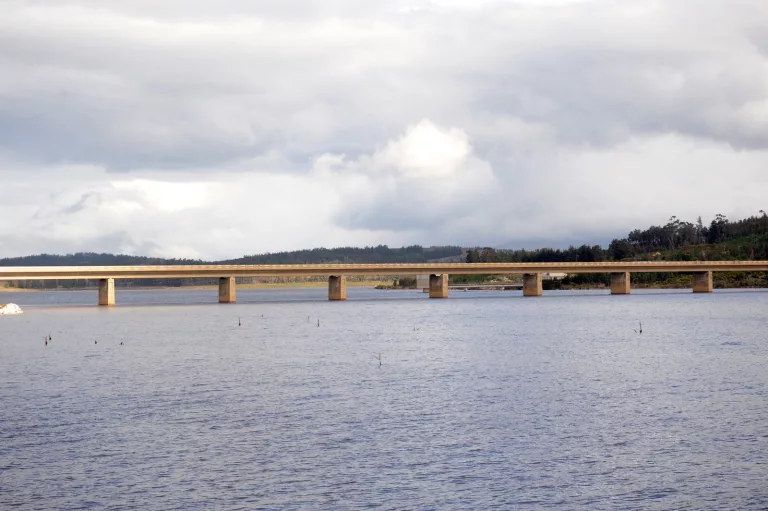
Theewaterskloof Dam/Ayanda Ndamane/ ANA Studio
According to IOL, via the Cape Argus, Water and Sanitation Minister Pemmy Majodina said modelling was under way to determine whether restrictions or other water-saving measures would be needed during the 2026/27 operating year.
The Western Cape Water Supply System (WCWSS), which supplies water to Cape Town and surrounding municipalities, had combined dam storage levels of approximately 74.81% on 5 October 2026. While the system remained relatively stable, Majodina told Parliament that storage was lower than during the same period last year, with an overall downward trend.
She also pointed to uncertainty surrounding the potential effects of El Niño-related climatic conditions on future water availability.
ALSO READ:
R200 million cocaine haul intercepted at OR Tambo International Airport
Water restrictions being assessed
The Department of Water and Sanitation has reviewed hydrological conditions, system operations and available water resources to assess the need for demand management measures.
Additional modelling is examining possible restriction scenarios and other interventions to protect the reliability of the water supply. A decision on whether restrictions would be introduced was expected to follow discussions at the Western Cape Water Supply System Stakeholder Operating Forum.
The assessment comes as the City of Cape Town warns some high-water-use households to reduce their consumption. Notices have reportedly been sent to ratepayers who used more than 15,000 litres of water a month for two consecutive months, warning that their supply could be restricted if consumption does not fall below that threshold.
The City’s Water Restrictions Committee was also reported to be considering restrictions amid forecasts of a hotter, drier summer.
Municipalities prepare for water shortages
Provincial and national authorities are working with municipalities to strengthen contingency plans in case water supplies become strained.
Majodina said municipalities had been encouraged to investigate alternative water sources, improve backup power provision and establish dedicated operations and maintenance teams to support water service delivery during periods of increased risk.
The Department of Water and Sanitation is also supporting bulk water augmentation initiatives in the Bitou and Knysna local municipalities. The work includes needs analyses, feasibility studies and assessments to prepare proposed water supply schemes for implementation, with these studies expected to be completed during the 2028/29 financial year.
Although no additional applications for water augmentation assistance had been received during the 2026/27 financial year, several water security projects were already under way across local municipalities.
What this means for Western Cape residents and visitors
Although water restrictions have not been confirmed in the minister’s reported comments, the declining dam levels highlight the importance of using water responsibly as the summer season approaches.
Residents and visitors travelling through the Western Cape can help reduce pressure on local supplies by keeping showers short, reusing water where appropriate and avoiding unnecessary water use at accommodation establishments.
Travellers should also check for updates from the City of Cape Town and the relevant local municipality before visiting, as water-saving measures and restrictions may differ between areas.
Follow us on social media for more travel news, inspiration, and guides. You can also tag us to be featured.
Instagram | Facebook | Twitter | Spotify
ALSO READ: