





A quick-thinking rescue swimmer helped save three teenagers caught in dangerous rip currents off the KwaZulu-Natal coast on Saturday, 31 October. The incident happened near eNyokeni, between Umgababa and Umkomaas, after reports of a drowning were received at approximately 4.15pm.
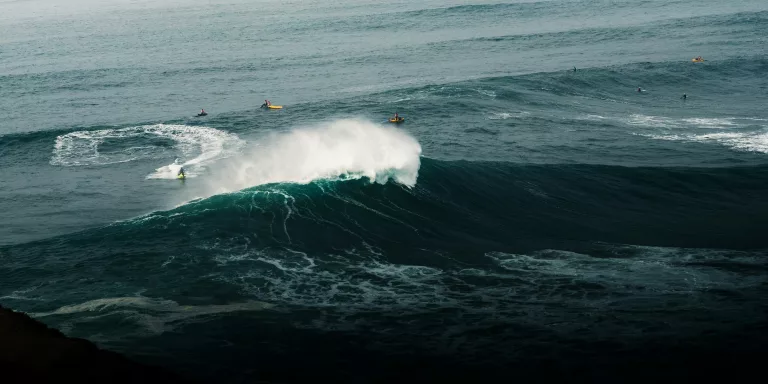
Photo: Unsplash
According to a report by IOL, Sphesihle Mngadi, a rescue swimmer with the National Sea Rescue Institute (NSRI) Rocky Bay station, responded to the emergency with assistance from the Amanzimtoti Surf Lifesaving Club. Mngadi was in the area when the alert came through and immediately made his way into the water to help.
Rescue swimmer pulls three swimmers from dangerous surf
When Mngadi reached the scene, he found three male swimmers, aged between 15 and 20, struggling in the surf zone. All three had been caught in rip currents, which were pulling them away from the safety of the shore.
Equipped with a rescue torpedo buoy, Mngadi entered the water and reached the swimmers in the breaking waves. He first assisted one of the teenagers, who was able to float on his back, back towards the beach. He then used the buoy to bring the remaining two swimmers safely to shore.
One of the teenagers required urgent medical attention after losing consciousness. Once on the beach, Mngadi began performing chest compressions. The teenager regained consciousness and started breathing independently, according to the NSRI.
Family members subsequently transported him to hospital for further assessment. The other two swimmers did not require medical treatment.
The NSRI praised Mngadi’s actions, highlighting the importance of his swift response in preventing a potentially tragic outcome. The organisation also used the incident to remind beachgoers about the dangers of rip currents, particularly during the warmer months when more people head to the coast.
How to stay safe around rip currents
Rip currents are powerful, narrow channels of water that flow away from the shore. They can develop along beaches and may catch swimmers off guard, even when the surrounding sea appears relatively calm.
The NSRI advises beachgoers to take the following precautions:
- Swim where lifeguards are on duty: Choose beaches with active lifesaving services and follow their instructions.
- Stay between the flags: Designated swimming areas are monitored by lifeguards, making them the safest places to enter the water.
- Watch the water: Rip currents may appear as darker channels, gaps between breaking waves or areas where foam and debris are moving out to sea.
- Avoid swimming alone: Having someone nearby can make it easier to get help if you encounter difficulties.
What to do if you get caught in a rip current
Being caught in a rip current can be frightening, but the most important thing is to remain calm and conserve your energy.
The NSRI recommends that swimmers avoid trying to swim directly against the current, as this can quickly lead to exhaustion. Instead, try to float on your back and allow yourself to conserve energy.
When possible, swim parallel to the shoreline until you are out of the current. Once clear, use the incoming waves to help you return to the beach.
If you cannot get yourself to safety, raise one arm above your head and call for help to attract the attention of lifeguards or other beachgoers.
The incident near eNyokeni is a timely reminder that conditions in the sea can change quickly. Even confident swimmers should remain aware of their surroundings, pay attention to local warnings and avoid entering the water at unpatrolled beaches.
ALSO SEE: Amber-Rose Berry becomes youngest South African woman to swim the English Channel
Amber-Rose Berry becomes youngest South African woman to swim the English Channel