




A patch of land near Calitzdorp has been hiding a remarkable piece of history. Buried beneath the Little Karoo soil are fossilised termite nests dating back as far as 400,000 years, offering scientists a glimpse into an ancient world.
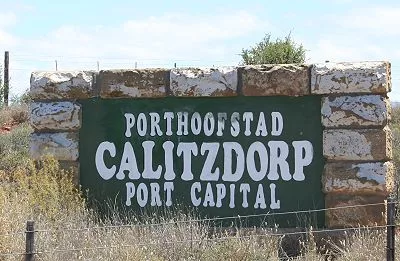
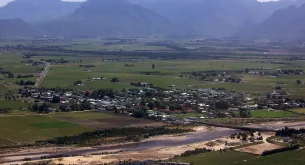
Calitzdorp, Western Cape, South Africa / Etienne Marais / Wikimedia Commons
Researchers from the University of Cape Town (UCT) identified the structures as the work of an extinct termite species, named Columnanidus calitzdorpensis after the nearby town.
The discovery is unusual because the fossils are not the remains of the insects themselves, but of the homes they built. Eight nests have been identified at the site, each measuring about a metre deep and 65cm across, with intricate chambers and tunnels preserved inside. Using CT scans, researchers were able to examine the structures without damaging them and piece together how the nests were constructed.
From ancient ovens to termite nests
The formations were first spotted by a local artist in the early 2000s. Their unusual shape led to speculation that they might have been old ovens used by early human communities.
It was only in 2021, when UCT researchers began investigating the structures, that their true origins started to emerge. Led by Dr Miengah Abrahams, the team identified them as a previously undocumented type of termite trace fossil. Research published in the Journal of Quaternary Science dated the nests to between 323,000 and 401,000 years old, during the Middle Pleistocene.
A window into an ancient landscape
So how did something as delicate as a termite nest survive for so long? Over time, minerals including calcium carbonate accumulated in the sand surrounding the nests. This process, known as calcretisation, gradually hardened the structures, preserving the tunnels and chambers long after the termites had disappeared.
Beyond the unusual discovery, the fossils could help researchers understand what the Little Karoo looked like hundreds of thousands of years ago, including its soil conditions and ancient ecosystems. The team returned to Calitzdorp in October 2026 to donate a poster documenting the discovery to the Calitzdorp Museum, where one of the fossilised structures is also on display.
Further research is planned into similar fossilised termite and ant nests in the Northern Cape and around Western Cape towns such as Ceres and Worcester.
For a town better known for its port wine, the Klein Karoo landscape has revealed another reason to look a little closer. Beneath its familiar dry terrain lies a history far older than anything visible on the surface.
Source (Phys Org)
Follow us on social media for more travel news, inspiration, and guides. You can also tag us to be featured.
Instagram | Facebook | Twitter | Spotify
ALSO READ:
Election Day freebies: Where South Africans can get a little something extra after voting