


Brazil has expanded one of it’s most important national parks, adding thousands of hectares of protected land to the Pantanal, a vast wetland known for it’s remarkable wildlife and biodiversity.
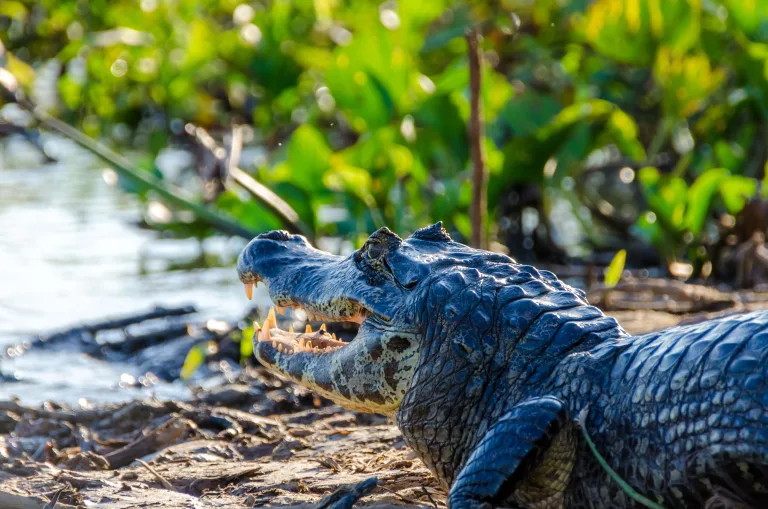
Caiman resting by the water in the lush Pantanal, Brazil / Leonardo Mendes / Pexels
The expansion of Pantanal Mato-Grossense National Park adds approximately 47,260 hectares (116,782 acres) to the protected area in Mato Grosso. The presidential decree, signed on 23 March 2026, brings the park’s total area to approximately 183,095 hectares.
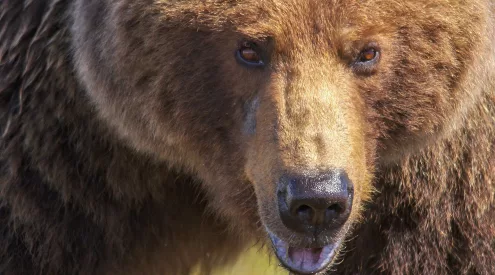
It’s a significant step for a landscape that supports an extraordinary range of wildlife, from jaguars and giant otters to tapirs and giant anteaters.
A little more space for wildlife
The Pantanal is the world’s largest tropical wetland, with a landscape shaped by seasonal flooding. It’s rivers, grasslands and lagoons provide food, shelter and breeding grounds for an incredible variety of species.
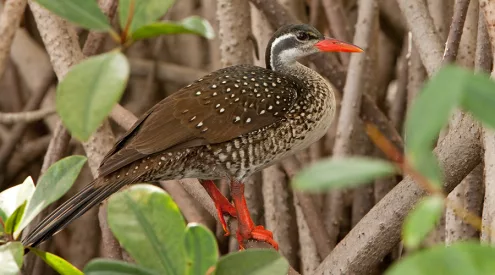
It is home to 463 bird species, 269 fish species and more than 236 mammal species. Among them are giant otters, tapirs, giant anteaters and giant armadillos. The region also supports the largest concentration of jaguars on Earth.
But protecting wildlife means looking beyond individual species. Animals need room to move between habitats, find food and maintain healthy populations. This is where the expansion becomes particularly important.
Protecting the natural connections
The Chico Mendes Institute for Biodiversity Conservation (ICMBio), which manages the park, has identified important biological corridors that wildlife uses to move in and out of the protected area.
These corridors help prevent animal populations from becoming isolated and support genetic diversity, particularly among endangered species.
Working with surrounding landowners will be important to keeping these natural routes accessible. The expansion also responds to calls from conservationists for greater protection of important breeding areas, giving vulnerable wildlife more secure habitat.
A fragile ecosystem under pressure
Despite it’s incredible biodiversity, the Pantanal faces growing environmental pressure. Fires and droughts threaten it’s natural balance, while damage to the rivers that feed the wetlands can affect the entire ecosystem.
Water is central to the Pantanal’s survival. It’s seasonal flooding sustains the landscape, supports wildlife and helps the wetlands retain their ability to store water.
The area was recognised as a wetland of international importance under the Ramsar Convention more than three decades ago. Expanding the national park will not remove every threat facing the region, but it gives more of this remarkable landscape a layer of protection.
For the wildlife that depends on the Pantanal, that extra space could make a meaningful difference.
Source (Good News Network)
Follow us on social media for more travel news, inspiration, and guides. You can also tag us to be featured.
Instagram | Facebook | Twitter | Spotify
ALSO READ:
Cahokia: The enormous ancient city hiding beneath the American Midwest