






Global tourism is expected to reach record levels in 2026, despite ongoing conflicts, rising fuel prices and pressure on household budgets.

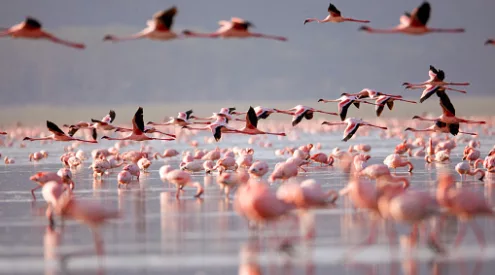
Image used for illustrative purposes/yousef alfuhigi/Unsplash
As reported by africanews., and according to the latest World Travel Market (WTM) Global Travel Report, travellers are continuing to prioritise holidays and experiences, signalling resilience across the international tourism industry. The report forecasts that global visitor spending will increase by 9% to reach US$7.8 trillion in 2026. The findings suggest that, even as the cost of living rises, travel remains an important part of consumer spending.
Sean Morgan, head of research at Oxford Economics, which contributed to the report, attributed some of this growth to the growing importance of experiences. Travellers are increasingly prioritising memorable holidays and activities over material purchases, helping sustain demand for tourism.
Emerging economies are also expected to contribute to the industry’s expansion. Rising disposable incomes in countries such as India and China are bringing more households into the international travel market. Together, the two countries are expected to add approximately 24 million households to this potential traveller pool over the next six years.
Travellers are choosing closer destinations
While international tourism continues to grow, changing travel patterns suggest that holidaymakers are becoming more selective about where they go. According to the WTM report, travel within individual regions has increased by 3% in 2026. In contrast, journeys between different global regions, including long-haul trips, have declined by 3%. Higher airfares and safety concerns are among the factors influencing these decisions. Travellers appear increasingly willing to explore destinations closer to home rather than commit to more expensive international journeys.
Middle East tourism affected by conflict as Africa sees luxury growth
The Middle East has experienced the most significant decline in international tourism during 2026. International arrivals to the region fell by 40%, according to the report, reflecting the impact of the war in Iran and its wider effects on travel confidence and connectivity. However, analysts anticipate a strong recovery in 2027, provided geopolitical conditions improve.
Meanwhile, Africa is seeing growth in the luxury travel market. The continent’s range of exclusive wildlife and nature-based experiences is attracting high-spending international visitors, particularly those seeking distinctive holidays. Destinations offering safari experiences in Kenya and gorilla encounters in Uganda are among those benefiting from this demand.
Taqi Moledina, chair of the African Travel and Tourism Association (ATTA), said the ultra-luxury market had been the fastest-growing segment, with traveller numbers and spending increasing by more than 10% to 15%.
Global tourism outlook remains positive
Despite the challenges facing the industry, the latest forecasts suggest that international travel demand is holding firm. The growth of emerging outbound markets, changing consumer priorities and the appeal of experience-led holidays are all contributing to the sector’s resilience. The findings were released against the backdrop of the World Travel Market in London, one of the tourism industry’s major annual trade events, where global travel trends and forecasts are presented to industry professionals.
Follow us on social media for more travel news, inspiration, and guides. You can also tag us to be featured.
Instagram | Facebook | Twitter | Spotify
ALSO READ: