
Seasonality plays a defining role in shaping Southern Africa’s landscapes, writes Miriam Kimvangu.

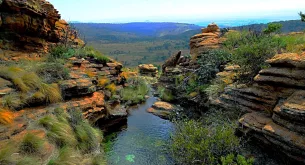
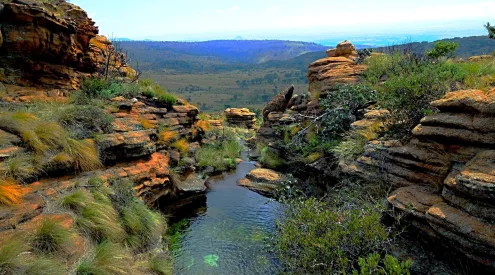
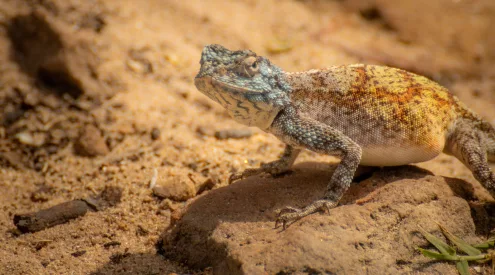
Richtersveld National Park/Chris Stenger/Unsplash
Rainfall patterns, altitude and temperature shifts influence everything from vegetation cycles to wildlife movement and water levels. Understanding these seasonal dynamics is key to planning a trip that aligns with your specific interests. Below are six destinations where seasonal changes significantly alter the environment and visitor experience.
Richtersveld
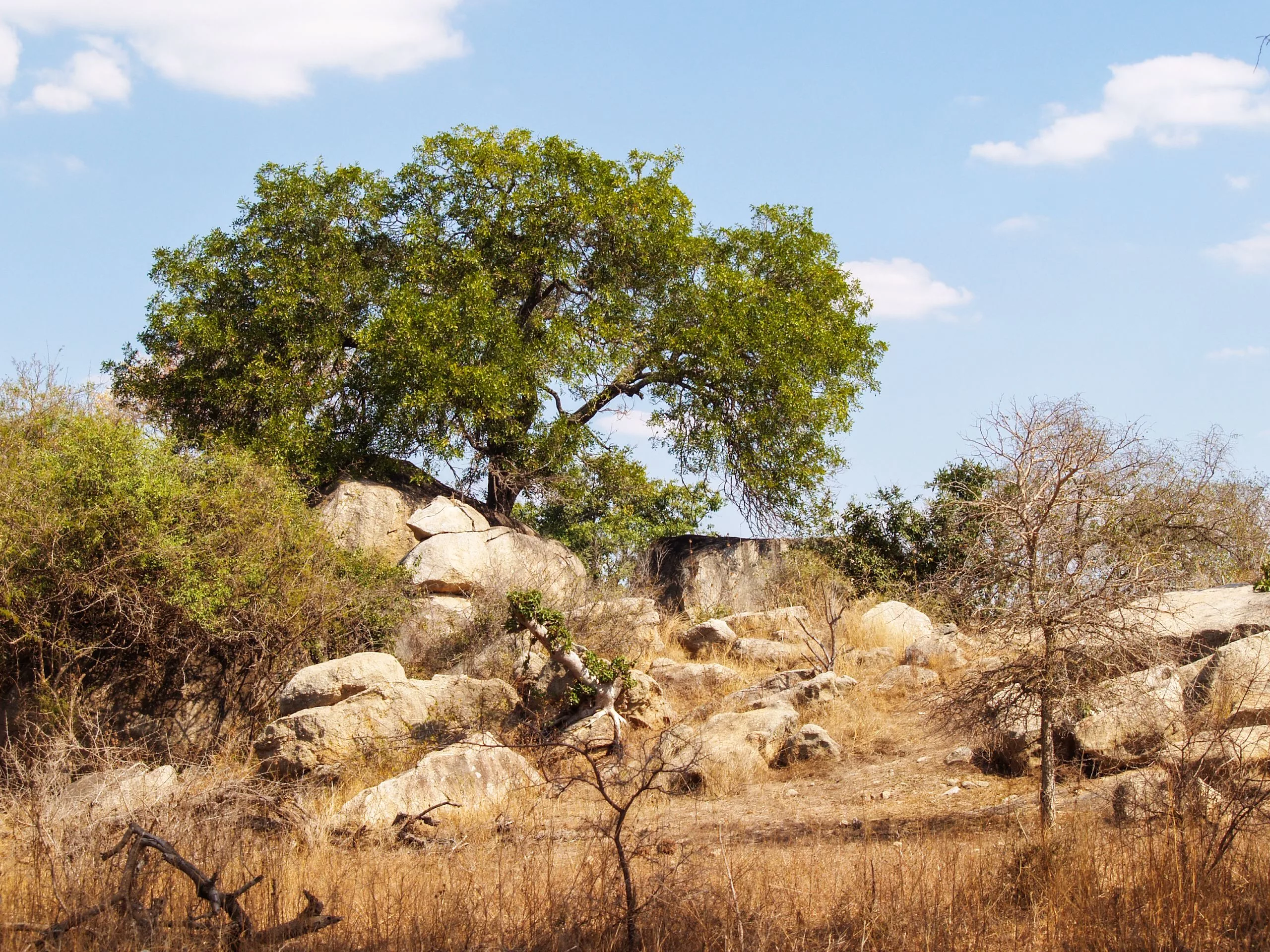
The Richtersveld is an arid biodiversity hotspot shaped by extreme climatic conditions. Rainfall is low and unpredictable, with much of the region influenced by winter precipitation and coastal fog.
Seasonal change is most visible after sporadic rainfall events, typically between July and September. During this period, dormant succulent species briefly flower, adding colour to an otherwise rocky and sparsely vegetated landscape. These adaptations are characteristic of desert ecosystems, where plants respond rapidly to short windows of moisture availability. Temperature variation is another factor. Summer daytime temperatures can exceed 40 degrees Celsius, while winter nights may drop close to freezing.
West Coast National Park
This coastal reserve is a clear example of how winter rainfall drives ecological change in the Western Cape. The region follows a Mediterranean climate pattern, with most rainfall occurring between May and August. As a result, the park remains relatively dry and subdued through summer and early winter.
From August to September, increased soil moisture triggers the germination of annual wildflowers. Large areas, particularly within the Postberg section, become covered in daisies and other flowering species. This bloom is highly dependent on rainfall timing and temperature, which means peak displays vary slightly each year. Outside of flower season, the park’s lagoon system supports birdlife, including migratory species that arrive during the southern hemisphere summer.
Nyika Plateau
Situated at high altitude, the Nyika Plateau experiences a temperate climate that differs markedly from surrounding lowlands. Seasonal rainfall occurs between November and April, transforming the plateau into a green, moisture rich environment.
This period supports a high diversity of plant life, including a notable concentration of orchid species. Mist and cloud cover are common due to orographic rainfall, where moist air rises and cools over the plateau. During the dry season, from May to October, grasses turn golden and conditions become clearer. Reduced vegetation density improves wildlife visibility, which includes species such as eland and zebra. Cooler temperatures also make this period suitable for outdoor activities such as hiking.
Augrabies Falls National Park
The flow of the Orange River is the primary driver of seasonal variation in this park. Water levels depend on rainfall in upstream catchment areas, particularly in central and eastern South Africa.
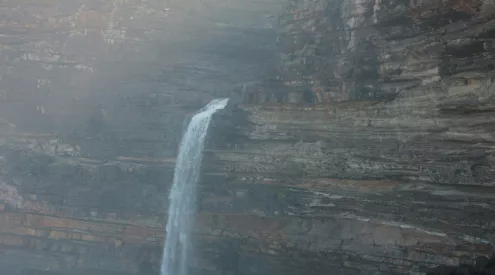
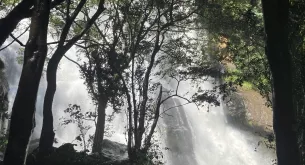
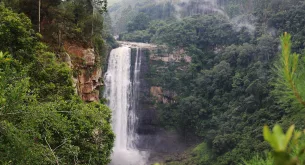
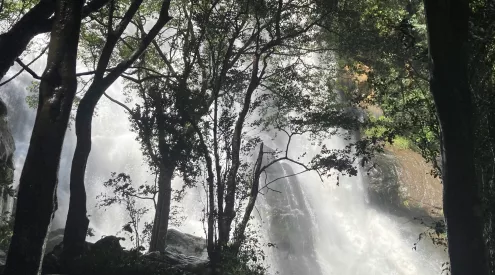
Peak flow typically occurs between February and April, following summer rainfall. During this period, the waterfall reaches maximum volume, producing significant spray and noise. This is when the falls are most visually dramatic. In contrast, lower flow levels during drier months expose underlying rock formations and the gorge structure. This allows for clearer views of geological features shaped by long term erosion.
Lesotho Highlands
The Lesotho Highlands are defined by altitude, with much of the country lying above 1,400 metres. This elevation results in colder conditions and more pronounced seasonal variation than surrounding regions. Summer, from November to March, brings rainfall that supports grassland growth and increases river flow. Rural agricultural activity is most visible during this time.
In winter, temperatures frequently drop below freezing, and snowfall occurs, particularly between June and August. Snow accumulation can affect road access but also creates opportunities for winter sports at Afriski. These conditions are unusual within the broader Southern African context.
Kgalagadi Transfrontier Park
This semi arid region is influenced by irregular summer rainfall, typically between November and March. Seasonal precipitation affects both vegetation and animal distribution. During the dry season, limited water availability concentrates wildlife around permanent sources, improving visibility for game viewing. Predators such as lions and cheetahs are often easier to locate under these conditions.
Following rainfall, grasses and annual plants grow rapidly, dispersing herbivore populations across a wider area. This reduces predictability of sightings but increases overall biodiversity, including bird species that are more active during wetter months.
Follow us on social media for more travel news, inspiration, and guides. You can also tag us to be featured.
TikTok | Instagram | Facebook | Twitter
ALSO READ:
Inside the Listening Room’s Sonance Sessions and the rise of deep listening culture