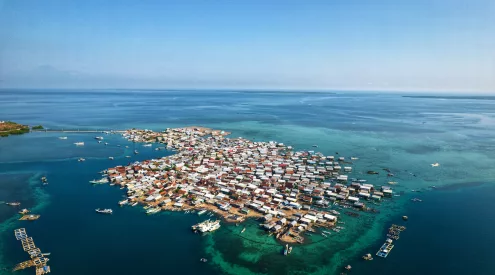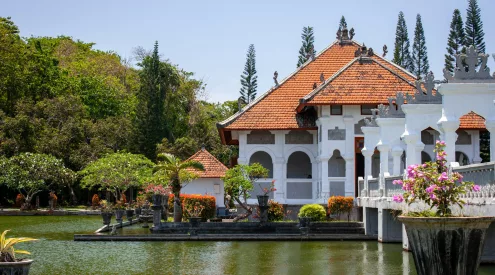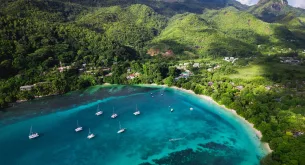






Some of Raja Ampat’s greatest wonders lie beneath the surface. Manta rays glide over coral gardens, turtles move through clear water and schools of fish gather around vibrant reefs.
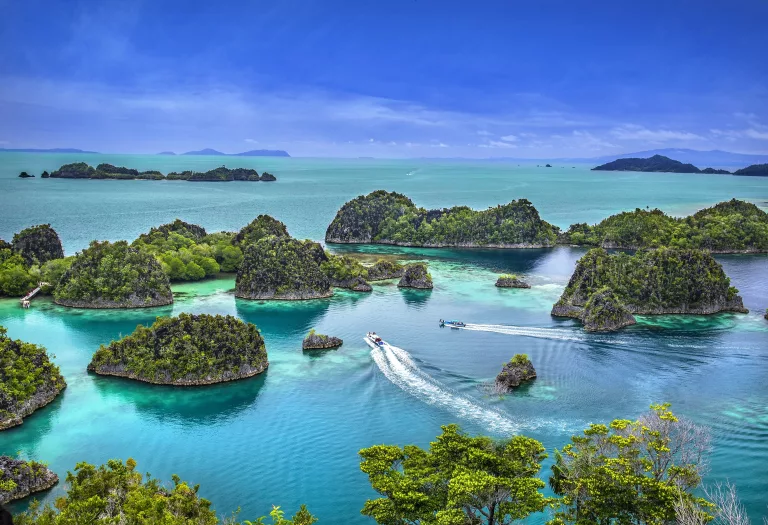
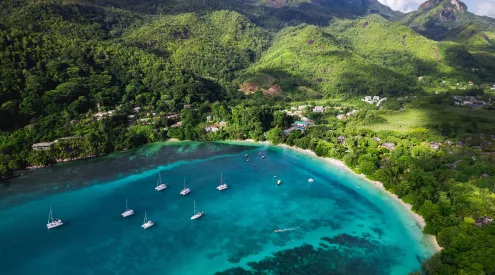
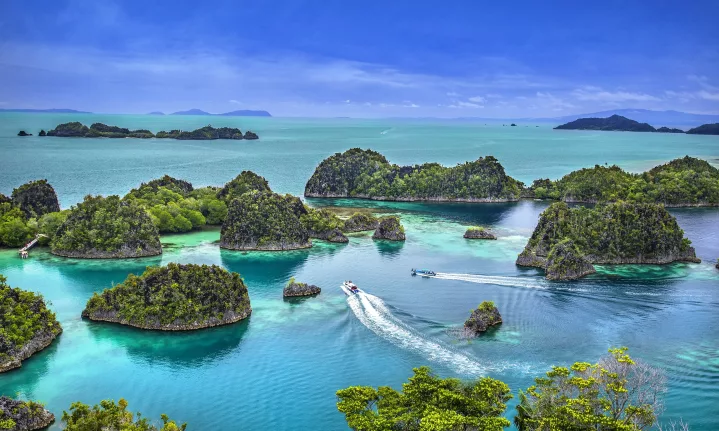
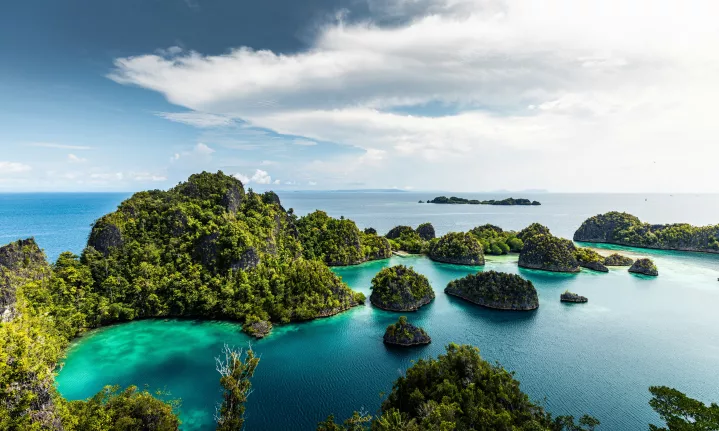
A stunning aerial shot of the lush Raja Ampat Islands in Papua Barat, Indonesia / Angke Widya / Pexels
Above the sea, forested limestone islands create a landscape unlike anywhere else in Indonesia. Located off the coast of Southwest Papua, Raja Ampat means ‘Four Kings’, referring to it’s four principal islands: Waigeo, Batanta, Salawati and Misool. More than 1,500 smaller islands, cays and shoals surround them.
Part of the Coral Triangle, the archipelago is renowned for it’s marine biodiversity, attracting divers, snorkellers and travellers seeking a more remote island escape.
Where to explore
Raja Ampat is vast, so choose your base carefully rather than trying to see everything in one trip.
Piaynemo: One of the archipelago’s most recognisable viewpoints, Piaynemo overlooks limestone islands scattered across brilliant blue water. A flight of steps leads to a panoramic viewing platform, making it a popular stop on island-hopping trips.
Wayag: Further north, Wayag is known for it’s dramatic karst formations and sheltered lagoons. Reaching it requires more time and money than visiting sites closer to Waisai, so plan your transfers in advance.
Dampier Strait: A highlight for diving and snorkelling, this area includes reefs around Kri, Mansuar and Arborek. Expect colourful coral and the possibility of encountering turtles, reef sharks and large schools of fish. Currents can be strong, so choose a reputable operator.
Misool: In southern Raja Ampat, remote islands, hidden coves and rich marine habitats reward travellers with more time. Accommodation includes specialist resorts and liveaboards, particularly popular with divers.
When to visit
Raja Ampat is warm year-round, but sea conditions affect visibility and boat transfers. October to April is generally considered favourable for diving and island-hopping, while stronger winds between June and September can make some journeys more challenging.
Wildlife sightings are never guaranteed, and conditions vary across the archipelago. Leave flexibility in your itinerary for weather-related delays.
How to get there
Sorong, in Southwest Papua, is the main gateway, with domestic flights connecting it to Indonesian hubs such as Jakarta and Makassar. Travellers from South Africa will need to plan their international and domestic connections.
From Sorong, ferries reach Waisai on Waigeo Island in around two to three hours. Many visitors then need a further boat transfer to their accommodation.
Arrange transfers with your host beforehand and confirm departure times and costs. Depending on your flight arrival, an overnight stay in Sorong may be necessary.
Where to stay
Accommodation ranges from community-run homestays with simple facilities and access to nearby reefs, to eco-resorts offering more comfort and organised activities. Liveaboards are another option for divers wanting to explore multiple sites over several days.
Check what your rate includes. Meals, boat transfers, fuel and excursions can add considerably to the final cost, while electricity and mobile coverage may be limited on remote islands.
Planning your trip
Allow at least seven days if possible, giving yourself time for transfers, snorkelling and excursions. Visiting both Wayag in the north and Misool in the south requires a longer stay.
Budget for flights, accommodation, meals, ferries, boat trips, diving and applicable tourism and marine conservation fees. Verify current fees through official Raja Ampat tourism channels before departure, as charges can change.
Pack lightweight clothing, swimwear, reef-safe sun protection, insect repellent and a dry bag. Carry cash for smaller purchases and ensure your travel insurance covers your planned activities and emergency evacuation.
Travel responsibly
Raja Ampat’s biodiversity is it’s greatest attraction, and protecting it matters. Choose locally owned accommodation and guides where possible, respect village customs and ask permission before photographing people.
Never touch coral, disturb wildlife or remove marine life from it’s habitat. Reduce single-use plastics and take rubbish back to places where it can be disposed of responsibly.
An island escape worth planning
Raja Ampat takes time and effort to reach, but it’s rewards are extraordinary. From vibrant reefs to limestone islands rising out of clear water, this is a destination where nature takes centre stage.
Plan your route carefully, allow room for unexpected delays and resist the temptation to see everything at once. Sometimes, the best way to experience Raja Ampat is to spend less time travelling between islands and more time appreciating what makes each one special.
Follow us on social media for more travel news, inspiration, and guides. You can also tag us to be featured.
Instagram | Facebook | Twitter | Spotify
ALSO READ:
What a red or brown sea could mean for your next beach visit