
The World Wide Fund for Nature (WWF) South Africa’s Black Rhino Range Expansion Project (BRREP) has achieved a significant milestone, with more than 400 black rhinos now recorded across its project sites since the initiative launched in 2003.

Image of black rhino used for illustrative purposes/David Clode/Unsplash
This number includes rhinos that have been relocated to new conservation areas, as well as their offspring — in some cases, even second- and third-generation calves, WWF announced on Tuesday.
With fewer than 6,500 black rhinos remaining globally, the project has played a crucial role in protecting and growing South Africa’s population. According to WWF, the BRREP now accounts for custodianship of 16% of the country’s black rhinos across 17 different sites.
Breathing room for a species on the brink
BRREP’s core approach is twofold: relocate black rhinos from reserves where populations are already established, and introduce them to new areas where they have space to breed, roam, and develop fresh gene pools.
Initially launched as a three-year plan to establish one or two black rhino populations of 20 individuals each, the programme has far exceeded expectations. Now in its eighth three-year phase, BRREP oversees a growing metapopulation of more than 400 black rhinos.
Black rhinos once roamed widely across Africa, but numbers plummeted from around 100,000 in the 1960s to fewer than 2,500 by the mid-1990s, driven by poaching and habitat loss. Thanks to intensive conservation work, such as that of BRREP, official figures show that the global population has risen to over 6,400.
ALSO READ: Cape Town hippo relocated to Garden Route sanctuary
Strategic partnerships power progress
WWF notes that South Africa remains a stronghold for the species — though challenges persist, including continued poaching and a lack of suitable space for rhinos to expand their range.
To address this, BRREP collaborates with private and communal landowners, along with government conservation agencies such as Ezemvelo KZN Wildlife and the Eastern Cape Parks and Tourism Agency. Together, they identify large, ecologically suitable blocks of land to establish new black rhino populations.
The project also encourages neighbouring landowners to remove internal fences, consolidating land into viable conservation areas.
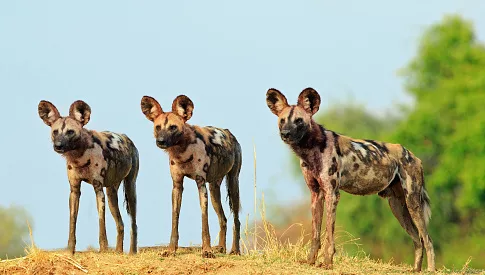
“The consolidation of habitat into ecologically viable blocks also helps other species at risk — such as wild dogs, vultures and cheetahs — all of which need large tracts of land to thrive,” WWF said.
BRREP coordinates the relocation of groups of up to 20 rhinos at a time to these new areas — a delicate and complex process that ensures both safety and long-term sustainability.
A conservation success story
Jeff Cooke, Rhino Conservation Manager at WWF South Africa, said the milestone of 400 black rhinos is a testament to the programme’s long-term impact and dedication to species recovery.
“Translocating black rhinos to new areas is the first step towards population growth. To keep these populations healthy and growing, ongoing management such as moving rhinos for genetic reasons is important,” Cooke said.
“This is what has made BRREP so successful — the translocations and the subsequent long-term management of these new populations.”
With a careful blend of science, strategy, and collaboration, BRREP continues to carve out space — both literal and metaphorical — for one of Africa’s most iconic species to survive and thrive.
Follow us on social media for more travel news, inspiration, and guides. You can also tag us to be featured.
TikTok | Instagram | Facebook | Twitter
ALSO READ: Lifeline for penguins opens in Cape Town