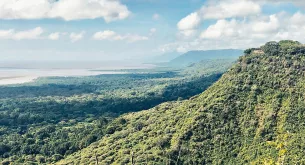

A rare ecological spectacle is unfolding along the hills above Walker Bay where fire has triggered one of the region’s most dramatic natural cycles, a fynbos superbloom.

Satyrium carneum/Supplied
At Grootbos Private Nature Reserve a landscape once blackened by wildfire is beginning to stir again. Beneath the ash, seeds that have lain dormant for decades are pushing through the soil and setting the stage for a once-in-two-decades floral revival.
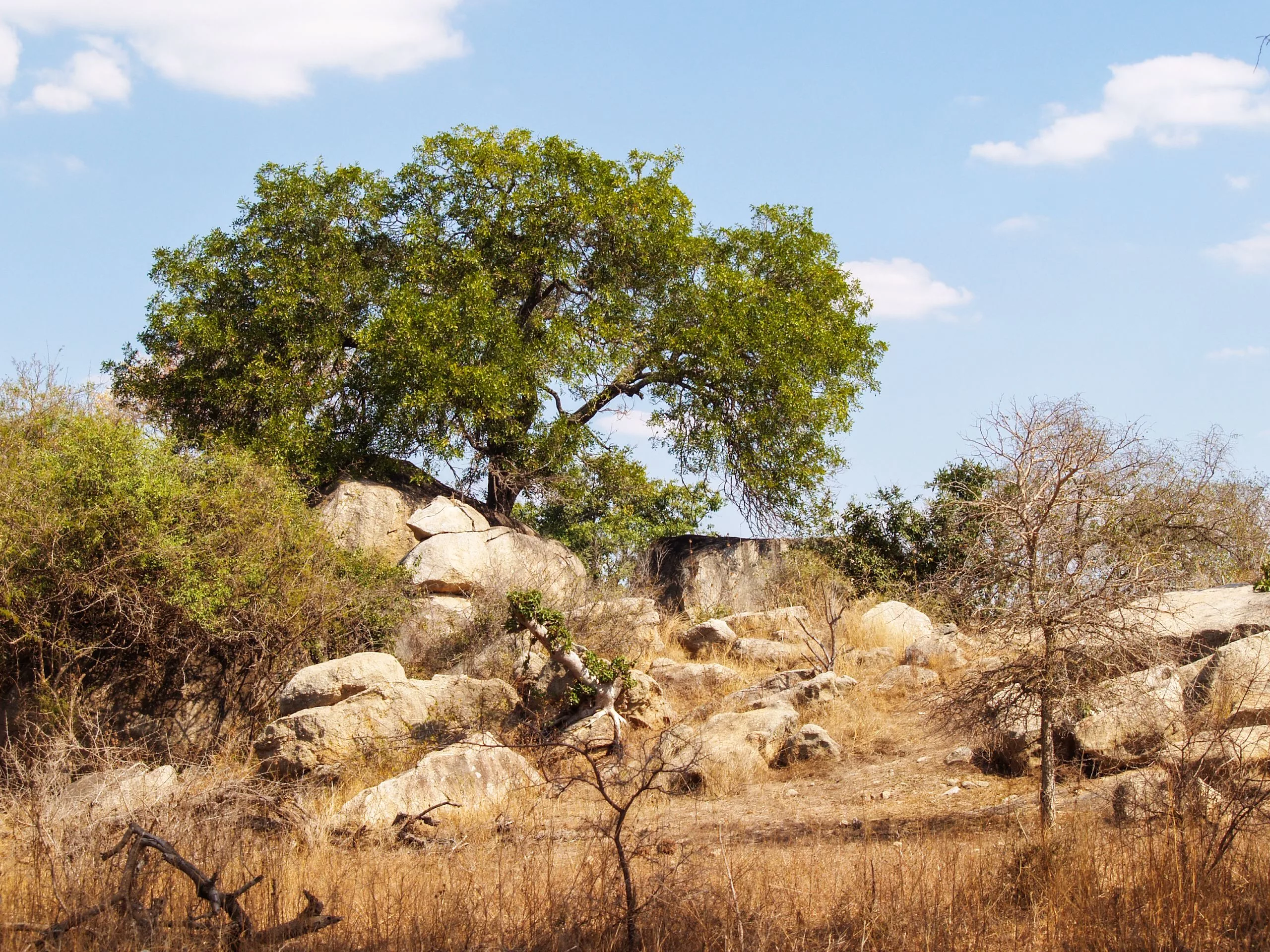
Set within the Cape Floristic Region the reserve protects a biome that covers just 0.3% of Africa yet contains nearly a fifth of its plant biodiversity. More than 70% of its 9,000-plus species occur nowhere else.
Fire that resets the ecological clock
Between November 2025 and January 2026 wildfires swept through the Overberg, burning across large parts of the region. At Grootbos roughly half of the 4,000-hectare reserve was affected while more than 50,000 hectares burned across the wider landscape.

Image: Supplied
While the scale was significant the ecological outcome tells a different story.
“Fire is an essential part of fynbos ecology,” says Sean Privett. “Without it the ecological clock stalls. What looks like destruction is in fact renewal.”
As temperatures cool long-buried seed banks are activated. Nutrient-rich ash replenishes the typically poor soils. The result is a surge of post-fire growth that cannot occur under normal conditions.
A rare window for biodiversity
Over the next two years the reserve is expected to host a remarkable resurgence of plant life. Species that rarely appear or only emerge after fire will take centre stage.

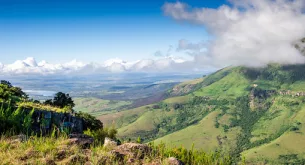
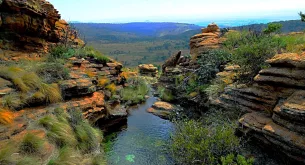
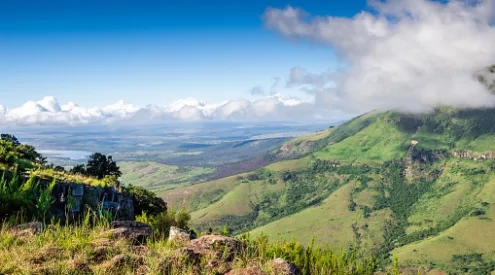
Southern Overberg Fynbos/Supplied

Moraea papilionacea/Supplied

Image: Supplied
Visitors can expect delicate orchids, vivid irises and fire lilies along with the return of proteas, ericas, restios and grasses. Some of these species have not been seen in the area for decades.
More than 1,030 plant species have been recorded at Grootbos, with several discoveries new to science made since 2001. In some cases these plants only reveal themselves during post-fire conditions.
Exploring the superbloom
Guided experiences at the reserve are designed to track this regeneration in real time. Visitors move through burnt slopes now flushed with green, into ancient milkwood forests and down to the coast.
Activities include botanical 4×4 safaris, forest walks and coastal horse riding along with tastings drawn directly from the landscape, including indigenous herbs and locally produced honey.

Image: Supplied

Image: Supplied
Art and conservation meet at the Grootbos Florilegium a botanical gallery that documents rare and endangered fynbos species through detailed illustration. Proceeds from artwork sales support conservation and education programmes run by the Grootbos Foundation.
Day visitors can also access the superbloom through guided reserve tours that combine open-vehicle safaris with curated tastings and gallery visits.

Image: Supplied
A limited-time natural event
Superblooms of this scale are infrequent. At Grootbos they typically follow major fire cycles that occur only every couple of decades.
To celebrate the re-emergence of a radiant, fire-dependent ecosystem, Grootbos is offering South African residents up to 50% savings for ‘Superbloom Season’, valid for stays from May to September 2026.
For reservation inquiries, please contact reservations via email at [email protected] or by telephone on +27 (0)28 384 8053, or visit Grootbos.com.
For now the transformation continues. Across the slopes of Walker Bay ash is giving way to colour quietly steadily and on nature’s terms.

Image: Supplied
Follow us on social media for more travel news, inspiration, and guides. You can also tag us to be featured.
TikTok | Instagram | Facebook | Twitter
ALSO READ: