



Zimbabwe has taken a significant step in the fight against wildlife crime by officially recognising its wildlife rangers as frontline law-enforcement officers.
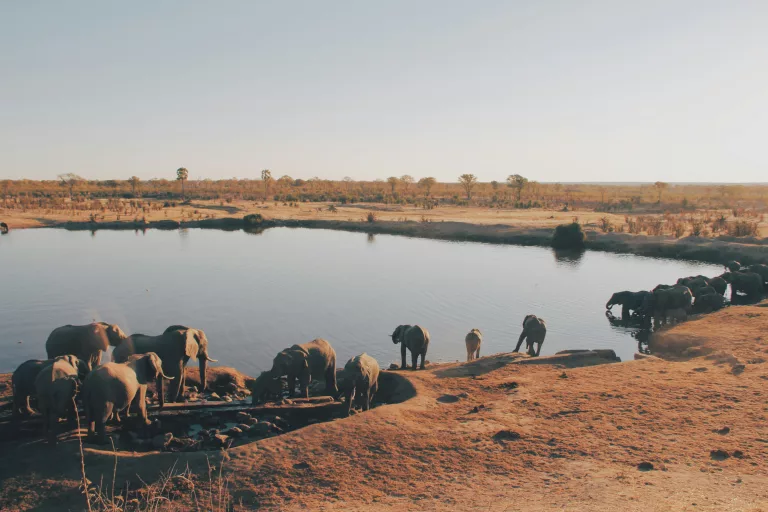
Photo: Unsplash
According to the African Travel & Tourism Association (ATTA), President Emmerson Mnangagwa recently signed the Parks and Wildlife Amendment Act, giving rangers expanded legal authority to protect the country’s wildlife and natural heritage.
The move comes as organised wildlife crime continues to threaten some of Africa’s most iconic species and the tourism economies that depend on them.
What the new law means
The legislation introduces Sections 96A and 96B, which formally define the appointment, responsibilities and powers of wildlife rangers.
Under the new law, rangers can now:
- Investigate wildlife-related offences.
- Secure crime scenes.
- Work more closely with police and other security agencies.
- Carry out stronger law-enforcement duties in protected areas.
The aim is to improve Zimbabwe’s ability to tackle increasingly sophisticated poaching syndicates and other environmental crimes.
Protecting one of Africa’s richest wildlife destinations
Zimbabwe is home to around 100,000 elephants, making it the country with the world’s second-largest elephant population. It also has the world’s fourth-largest population of black rhinos, making conservation efforts especially important.
Wildlife crime remains a major international challenge, generating an estimated US$7 billion to US$23 billion each year through illegal trafficking and organised criminal networks.
With globally significant populations of elephants, rhinos and other wildlife, Zimbabwe continues to be a target for poachers.
Why it matters for tourism
Wildlife tourism is one of Zimbabwe’s biggest drawcards, with destinations such as Hwange National Park and Mana Pools National Park attracting visitors from around the world.
The country has set an ambitious goal of building a US$10 billion tourism economy by 2030, with conservation playing a central role in achieving that vision.
The Zimbabwe Parks and Wildlife Management Authority (ZimParks), which manages many of the country’s protected areas, continues to receive support from conservation organisations including the International Fund for Animal Welfare and African Parks.
ALSO SEE: South Africa’s first electric safari vehicle could change the future of game drives
South Africa’s first electric safari vehicle could change the future of game drives