



Food often tells the story of a place as clearly as its landscapes or history, writes Miriam Kimvangu.

Image used for illustrative purposes/Schalkb2/Wikimedia Commons
South African small towns have developed culinary identities shaped by climate, agriculture and cultural heritage. Local ingredients are harvested nearby, traditional recipes are passed down through generations and certain dishes become closely associated with specific regions. Each province offers a food experience that reflects the surrounding environment and local traditions.
Western Cape: West Coast crayfish in Paternoster
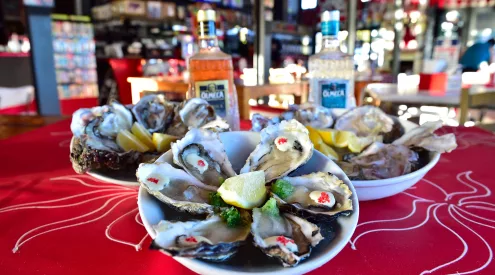
The fishing village of Paternoster on the Cape’s West Coast is widely known for its seafood, particularly West Coast rock lobster, commonly referred to locally as crayfish. The species is found in the cold Atlantic waters that run along the coast, and the fishing industry has been central to the local economy for generations. Many restaurants in Paternoster prepare crayfish in simple ways that highlight the freshness of the catch. Grilling over open coals with butter, garlic and lemon is one of the most common methods. The dish reflects the region’s long fishing tradition and the availability of seafood caught just offshore.
Eastern Cape: Traditional Xhosa cuisine on the Wild Coast
Along the Wild Coast of the Eastern Cape, food traditions are closely tied to the cultural heritage of the region’s Xhosa communities. In rural coastal towns such as Coffee Bay, travellers have opportunities to experience dishes that have been prepared in local households for generations. One of the most well known meals is umngqusho, a hearty combination of samp and beans that was famously enjoyed by Nelson Mandela during his childhood in the nearby village of Qunu. The dish is slow cooked until the grains soften and the beans create a rich, comforting texture. It is often served alongside stews, fresh vegetables or braaied meat.
ALSO READ:
Where to get great pasta in Cape Town without fine dining
Northern Cape: Karoo lamb in Karoo towns
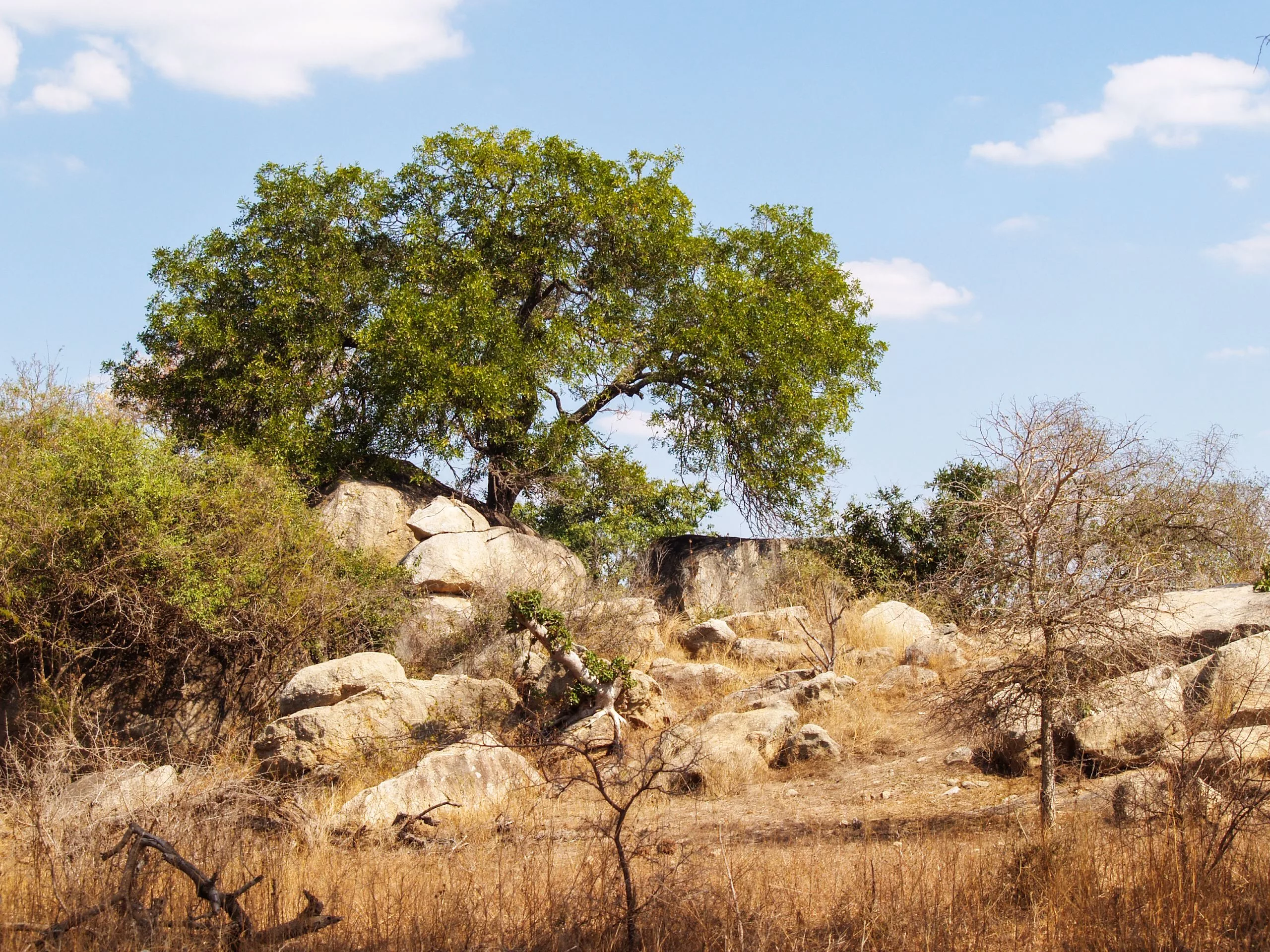
Karoo lamb is one of South Africa’s most recognised regional products. The sheep graze on natural vegetation that includes wild herbs and shrubs native to the semi arid Karoo landscape. This diet is believed to contribute to the distinctive flavour associated with Karoo lamb. Small towns throughout the Karoo serve lamb dishes prepared using traditional cooking methods. These may include braaied lamb chops, slow roasted shoulders or lamb stews. The dish has become closely associated with the region and is considered an important part of Karoo food culture.
Free State: Cherries in Ficksburg
The town of Ficksburg is known as the cherry capital of South Africa due to the orchards that surround it. Cherry production in the region benefits from the area’s climate, which provides the cold winters and warm summers required for successful cultivation. Cherry season typically occurs in late spring and early summer. During this time visitors can purchase fresh cherries from farm stalls or enjoy them in desserts, preserves and beverages. The town also hosts an annual cherry festival that attracts travellers interested in experiencing the harvest.
KwaZulu-Natal: Shisanyama in Umlazi
In KwaZulu-Natal, one of the most authentic food experiences is shisanyama, a style of dining centred around meat cooked over open coals. The word translates loosely to “burn the meat,” and the tradition has become a defining part of South African township food culture. One of the best known places to experience it is Max’s Lifestyle, located in the large township of Umlazi south of Durban. Visitors typically choose their cuts of meat, which are grilled over open flames and served with traditional sides such as pap, chakalaka and fresh salads.
ALSO READ:
North West: Biltong in Potchefstroom
The town of Potchefstroom is known for high quality biltong, a dried meat snack that forms an important part of South African food culture. Biltong is traditionally made using beef or game meat that is cured with vinegar, salt and spices before being air dried. Local butcheries in Potchefstroom have developed strong reputations for producing biltong using traditional techniques. Travellers passing through the town often stop to purchase biltong as a snack for road trips.
Gauteng: Kota in Soweto
In Soweto the kota has become a well known township street food. The dish consists of a quarter loaf of bread that is hollowed out and filled with a variety of ingredients. These may include chips, processed meats, eggs, cheese and sauces. Kotas are typically sold by small vendors and takeaway outlets throughout Soweto. The dish reflects the township’s street food culture and has become a popular and affordable meal within the community.
Mpumalanga: Trout in Dullstroom
The high altitude town of Dullstroom is widely recognised as one of South Africa’s main trout fishing destinations. The cool climate and clean streams in the surrounding highlands provide suitable conditions for trout farming and fly fishing. Many restaurants in Dullstroom specialise in trout dishes. The fish may be smoked, grilled or pan fried and is usually served with simple accompaniments such as vegetables or potatoes. For visitors, tasting locally sourced trout is considered a key part of the Dullstroom experience.
ALSO READ:
Food-forward towns in South Africa where one local speciality defines the journey
Limpopo: Mopane worms in Giyani
In parts of Limpopo, mopane worms are an important traditional food source. In towns such as Giyani the caterpillars are harvested from mopane trees and prepared either dried or cooked. Mopane worms are rich in protein and have been consumed by local communities for generations. They are commonly sold in local markets and roadside stalls, providing visitors with an opportunity to learn about indigenous food practices that remain significant in the region.
Exploring South Africa through its regional foods
Regional dishes offer insight into how landscapes and local cultures influence food traditions. Agricultural conditions determine which ingredients thrive in different provinces, while historical influences shape how those ingredients are prepared.
For travellers interested in food, visiting the towns where these dishes originate provides a deeper understanding of South Africa’s diverse culinary heritage. A road trip that follows these regional flavours reveals not only distinctive meals but also the communities and environments that produce them.
Follow us on social media for more travel news, inspiration, and guides. You can also tag us to be featured.
TikTok | Instagram | Facebook | Twitter
ALSO READ: