



Travel in South Africa often follows a landscape, writes Miriam Kimvangu.

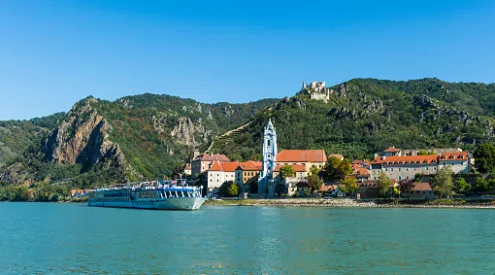
Calitzdorp/Dietmar Rabich/Wikimedia
However, certain South African towns are structured around what they produce. Agriculture, distillation, craft industries and fishing are not secondary attractions. They are central economic activities that shape both daily life and tourism offerings. For travellers interested in understanding how goods move from source to market, these destinations are the perfect place to start.
Calitzdorp
Calitzdorp, situated in the Klein Karoo, is recognised for fortified wines and pot still brandy. The region’s continental climate, with marked temperature shifts between day and night, supports grape cultivation. Specific cultivars are selected for distillation based on sugar levels and flavour profile.
Brandy production follows a regulated process. Grapes are fermented into wine before being distilled in copper pot stills. The distillate is then matured in oak barrels for a legally prescribed period. During maturation, chemical interactions between spirit and wood influence colour, aroma compounds and texture. Estate tours typically outline these stages, providing technical explanations of distillation cuts, ageing requirements and blending practices.
Tasting sessions are structured to educate visitors on sensory evaluation. Aroma, clarity and palate development are assessed systematically. The local economy benefits from cellar door sales, hospitality services and annual wine focused events. In Calitzdorp, production knowledge enhances the tourism experience rather than operating behind closed doors.
Citrusdal

Danie van der Merwe/Wikimedia Commons
Located in the Olifants River Valley, Citrusdal forms part of one of South Africa’s established citrus producing regions. Oranges, lemons, grapefruit and soft citrus are cultivated on irrigated farms that benefit from hot summers and cool winter temperatures. These climatic conditions support fruit development and sugar accumulation.
Citrus farming in this region operates within a structured export system. After harvesting, fruit is transported to packing facilities where it is washed, graded and sorted according to size and quality. International markets require compliance with phytosanitary standards, traceability systems and cold chain management. Visitors who book farm tours are introduced to these processes in practical terms. Irrigation techniques, pest control strategies and soil management practices are explained on site.
Seasonal labour plays a significant role during harvest months, and the agricultural calendar influences the rhythm of the town. Farm stalls and local retailers stock citrus based products such as marmalades, juices and preserves, linking primary production to small scale value addition. Tourism in Citrusdal often combines agricultural visits with access to hiking trails and natural hot springs, but citrus remains the economic anchor.
Nottingham Road

Lilishia Gounder/Unsplash
Nottingham Road forms part of the Midlands Meander, a route known for studio based production and artisanal goods. The local economy includes ceramics, weaving, woodwork, metalwork and specialty food production. Many enterprises are owner operated and combine workshop and retail space.
Visitors can observe production techniques directly. Ceramic studios demonstrate wheel throwing and kiln firing. Textile workshops explain loom setup, fibre selection and dye processes. This transparency provides educational value and fosters understanding of material sourcing and labour input.
Craft production contributes to local employment and skill development. Short courses and hands on workshops are available, allowing visitors to participate in basic techniques. The presence of breweries, coffee roasters and cheesemakers adds a food production dimension to the area’s identity. Nottingham Road illustrates how small scale manufacturing and creative industries can function as a tourism driver.
ALSO READ: 5 scenic camping destinations worth the journey
Hout Bay

Mick Haupt/Unsplash
Hout Bay’s working harbour supports commercial and small scale fishing operations. Species such as snoek and hake are landed according to seasonal availability and regulated quotas. Fisheries management frameworks govern catch limits, licensing and sustainability measures.
Visitors can observe harbour activity, including offloading, sorting and auction processes. Some operators offer educational boat trips that explain line fishing methods and conservation practices. The harbour environment provides practical insight into how marine resources are harvested and distributed.
The ocean to table concept is evident in local markets and restaurants that source directly from fishermen or harbour suppliers. Menus reflect seasonal catch, reinforcing the link between marine ecosystems and consumer choice. Seafood processing, distribution logistics and cold storage systems form part of the broader supply chain that sustains this coastal economy.
Production as a framework for travel
Citrusdal, Calitzdorp, Nottingham Road and Hout Bay demonstrate how production defines tourism narratives. Each town provides structured access to agricultural, artisanal or maritime systems that underpin local livelihoods. Visitors gain exposure to technical processes, regulatory frameworks and value chains.
This form of travel prioritises understanding. It connects landscape to labour and product to place. For travellers seeking context alongside experience, destinations defined by production offer a clear and practical lens through which to explore South Africa.
Follow us on social media for more travel news, inspiration, and guides. You can also tag us to be featured.
TikTok | Instagram | Facebook | Twitter
ALSO READ:
City schedules ecological burns to restore biodiversity and reduce wildfire risk