


In East Africa, coffee is far more than a morning ritual; it’s part of the region’s cultural identity and one of its most rewarding travel experiences.

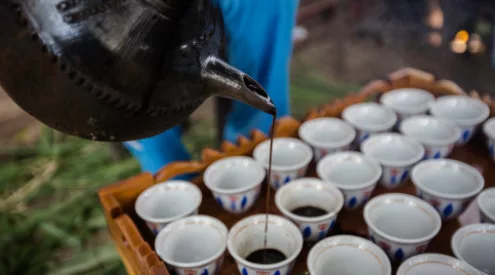
Image used for illustrative purposes/By: Maurice Oniango/iStock/Getty Images
From Ethiopia, where Arabica coffee is believed to have originated, to the volcanic slopes of Mount Kilimanjaro and the misty hills surrounding Lake Kivu, East Africa offers travellers the chance to follow coffee from bean to cup. Plantation tours, traditional ceremonies, speciality cafés and mountain adventures combine to create journeys that are as memorable as the coffee itself.
Whether you’re a casual coffee drinker or a dedicated enthusiast, these destinations offer some of the world’s richest coffee experiences.
Ethiopia: Where coffee’s story begins
No coffee journey is complete without visiting Ethiopia, widely regarded as the birthplace of Arabica coffee. Legend tells of a goat herder named Kaldi, who noticed his goats becoming unusually energetic after eating bright red berries from a wild shrub. While the tale remains folklore, Ethiopia’s reputation as coffee’s spiritual home is undisputed.
Experience an Ethiopian coffee ceremony
One of the country’s most treasured traditions is the Ethiopian coffee ceremony, a ritual that transforms brewing coffee into an act of hospitality and community. Green coffee beans are roasted over an open flame, ground by hand and brewed in a traditional clay jebena before being served in small cups, often accompanied by popcorn or roasted barley.
Rather than simply enjoying a cup of coffee, visitors are invited to slow down, share conversation and appreciate the craftsmanship behind every pour. It’s an experience that offers a genuine insight into Ethiopian culture.
Explore the country’s legendary coffee regions
Travellers can venture into renowned coffee-growing areas such as Sidama, Yirgacheffe and Jimma, where rolling highlands produce some of the world’s most celebrated single-origin coffees. Guided farm tours reveal every stage of production, from harvesting ripe cherries to drying beans under the African sun.
Nature lovers can also explore the UNESCO-listed Kafa Biosphere Reserve, home to wild Arabica forests that continue to grow much as they have for centuries.
Rwanda: Coffee with a view
Rwanda has transformed its coffee industry over the past two decades, earning international recognition for producing high-quality speciality beans. Beyond the exceptional coffee, visitors discover spectacular landscapes where emerald hills descend towards shimmering lakes.
Visit coffee cooperatives and washing stations
Many coffee experiences centre around local cooperatives, where travellers can meet farmers, walk through plantations and learn how cherries are sorted, washed, fermented and dried before export.
Around Lake Kivu, washing stations welcome visitors for guided tours that explain how careful processing helps create Rwanda’s distinctive bright, fruity flavour profile. Purchasing beans directly from these communities also supports local livelihoods.
Discover Kigali’s speciality café scene
The capital has become one of East Africa’s most exciting coffee destinations. Independent cafés showcase locally roasted beans, offering tasting flights, brewing workshops and expertly crafted espresso drinks.
Many cafés work directly with Rwandan farmers, allowing visitors to sample award-winning coffees without leaving the city.
ALSO READ:
Uganda: Coffee beneath Mount Elgon
Although Uganda is one of Africa’s largest coffee exporters, it remains an underrated destination for coffee tourism. The country’s fertile volcanic soils and high elevations create ideal growing conditions, particularly around Mount Elgon.
Walk through mountain coffee farms
The Sipi Falls region offers one of Uganda’s most immersive coffee experiences. Local guides lead visitors through small family-owned farms where coffee cultivation has been passed down through generations.
Travellers can pick ripe cherries, learn traditional processing methods and even roast and grind their own coffee before enjoying it overlooking dramatic waterfalls and mountain scenery.
Pair coffee with adventure
Coffee experiences around Mount Elgon blend naturally with hiking, birdwatching and waterfall walks. The cooler mountain climate offers a refreshing contrast to Uganda’s safari destinations, making it an excellent addition to a broader East African itinerary.
Meanwhile, Kampala’s growing café culture introduces visitors to modern Ugandan coffee, with local roasters experimenting with new brewing techniques while celebrating the country’s long coffee heritage.
Tanzania: Coffee on the slopes of Kilimanjaro
Towering over northern Tanzania, Mount Kilimanjaro provides more than spectacular scenery. Its volcanic soils and high-altitude climate also produce exceptional Arabica coffee, cultivated by communities that have farmed the mountain’s fertile slopes for generations.
Tour historic coffee estates
Around Arusha and the Kilimanjaro region, visitors can join guided estate tours that explore every step of coffee production. Walking through shaded plantations, travellers gain an appreciation for the care involved in growing, harvesting and processing premium coffee.
Many tours conclude with professional cupping sessions where guests learn to identify the aromas and tasting notes that distinguish East African coffees.
Combine coffee with safari
One of Tanzania’s greatest advantages is the ease of combining coffee tourism with wildlife adventures. After visiting the Serengeti, Ngorongoro Crater or Tarangire National Park, travellers can slow the pace with a plantation stay or café visit before continuing their journey.
The combination of wildlife, mountain landscapes and world-class coffee creates a travel experience unlike anywhere else.
Planning your East African coffee adventure
Coffee experiences are available throughout the year, but the best time to visit depends on the country and the harvest season. Booking guided plantation tours in advance often provides access to working farms and opportunities to meet local growers.
Buying coffee directly from farms or cooperatives not only guarantees freshness but also supports local communities and sustainable farming practices. Many farms sell freshly roasted beans that make excellent souvenirs, while speciality cafés often stock locally roasted blends that are difficult to find elsewhere.
Coffee trails also pair naturally with hiking, wildlife safaris, cultural experiences and scenic road trips, allowing travellers to explore East Africa beyond its famous national parks.
Whether you’re sipping freshly roasted coffee beneath Mount Kilimanjaro, wandering Ethiopia’s ancient coffee forests or enjoying a lakeside brew in Rwanda, every stop along East Africa’s coffee trail offers another reason to slow down and savour the journey.
Follow us on social media for more travel news, inspiration, and guides. You can also tag us to be featured.
Instagram | Facebook | Twitter | Spotify
ALSO READ:
Peru and South Africa soar in new global birdwatching rankings