A herd of 32 donkeys is now safe at the Karoo Donkey Sanctuary after a complicated rescue operation took the animals out of the remote Wupperthal area in the Cederberg Mountains, Cape {town} Etc reports.
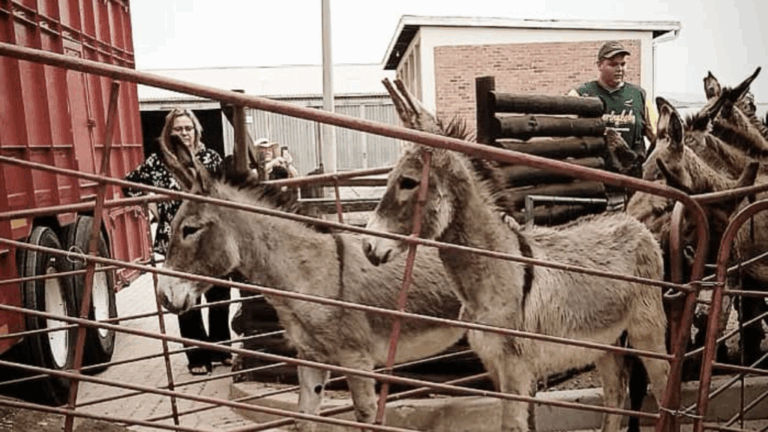
Picture: Supplied
The rescue began after the sanctuary was alerted to a group of 40 free-roaming donkeys that had been rounded up by members of the local community.
What followed was a long journey involving animal welfare teams, specialist transport and careful planning across some of the Western Cape’s most rugged terrain.
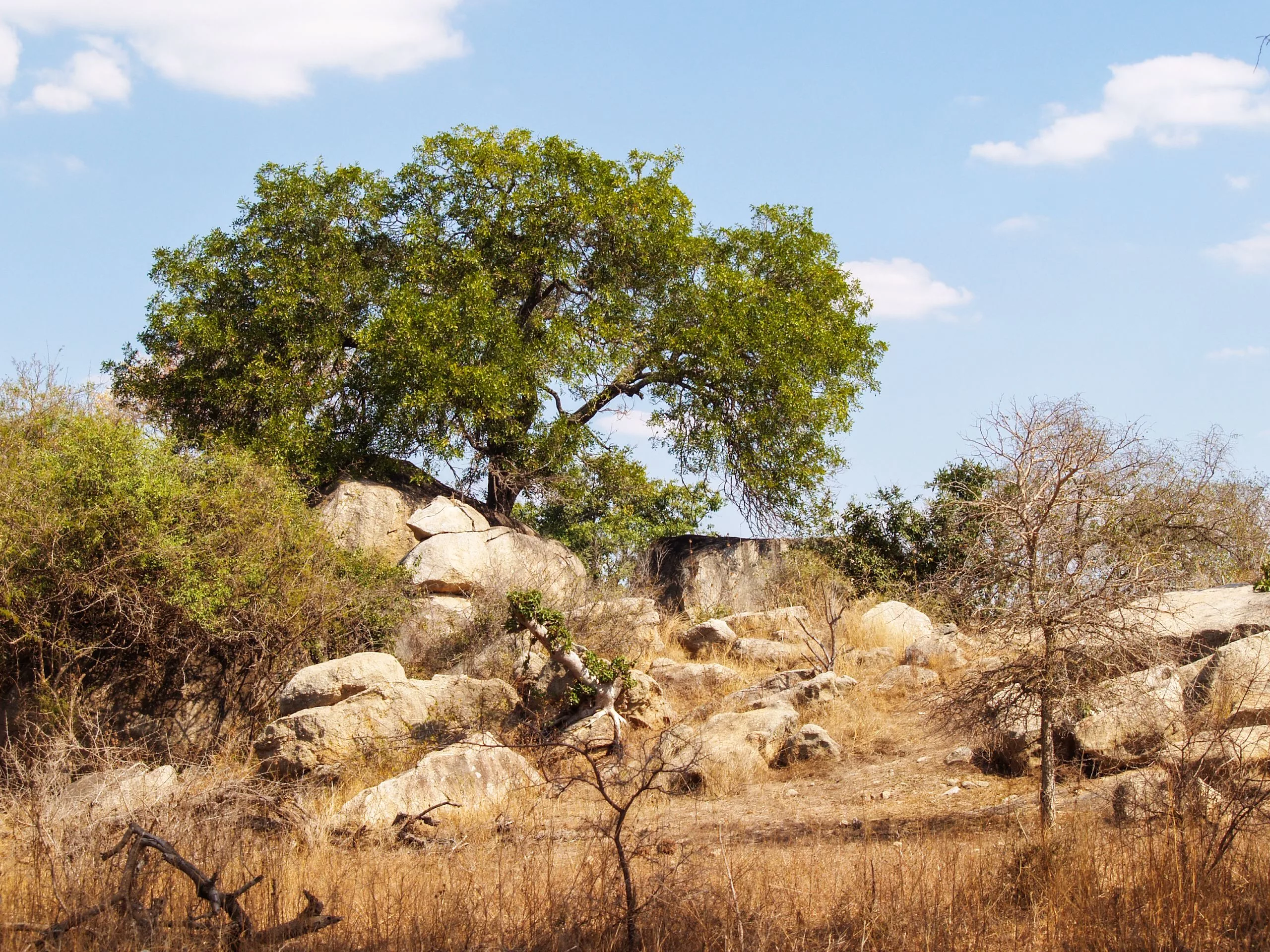
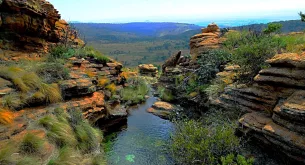
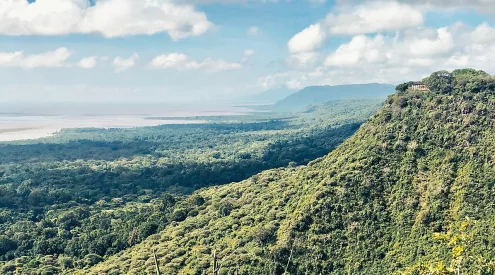
For generations, donkeys have been part of life in Wupperthal, a historic settlement deep in the Cederberg.
Established in 1830 as South Africa’s first Rhenish mission station and later entrusted to the Moravian Church, the remote community developed in terrain where moving people and goods was not always easy.
Donkeys became an important part of that story, helping transport people and produce through the mountains.
This time, however, it was the animals themselves that needed a helping hand.
ALSO READ:
Kalk Bay named one of the world’s coolest neighbourhoods for 2026
When the Karoo Donkey Sanctuary team arrived, they found a herd that included underweight mares with young foals and 18 intact stallions. Some of the mares may also be pregnant.
The sanctuary was concerned that the animals could be vulnerable to South Africa’s donkey slaughter and skin trade.
The operation involved the Clanwilliam Animal Welfare Society (CLAWS) and New Turf Carriers.
The animals were first moved from the mountains to a holding facility before beginning the journey to the sanctuary.
But the rescue did not go entirely according to plan.
When the team arrived at sunrise on Saturday, 12 September, they discovered that eight donkeys had disappeared during the night.
Those animals remain in the remote area.
Karoo Donkey Sanctuary founder and CEO Jonno Sherwin said the eight had not been forgotten, although the logistical difficulties involved in returning to the area meant another rescue operation was currently on hold.
The remaining 32 were transported for roughly three hours to Clanwilliam, where they were transferred onto specialist equine transporters.
The journey to the Karoo Donkey Sanctuary took approximately 14 hours in total.
The herd eventually arrived at around 9pm on Saturday, where accommodation had already been prepared and carers were waiting to assess and settle the animals.
By the following morning, the donkeys were out in the Karoo sunshine, grazing and exploring their new surroundings.
For animals accustomed to the rugged Cederberg landscape, it marked the beginning of a very different chapter.
Getting the donkeys to safety has created another urgent challenge for the sanctuary.
The 18 intact stallions now need to be gelded to prevent further breeding and allow the herd to be managed safely.
The sanctuary is seeking R63,000 for the gelding clinic, calculated at R3,500 per stallion.
Members of the public can contribute towards the clinic through a once-off donation or support the sanctuary monthly by joining its Long Ears Club.
For the sanctuary, the operation is about more than simply moving animals from one location to another.
It is about giving a vulnerable herd a chance to live without becoming part of a commercial chain that could put their lives at risk.
Article previously shared by Cape Etc.
Follow us on social media for more travel news, inspiration, and guides. You can also tag us to be featured.
Instagram | Facebook | Twitter | Spotify
ALSO READ: