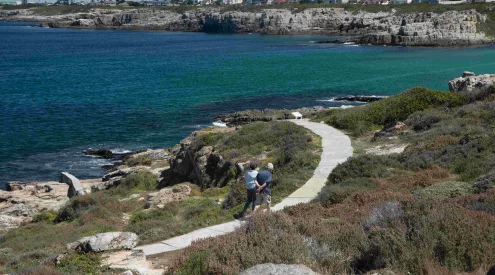







A planned hike along the Cape Town coastline turned into a lengthy rescue operation after a 38-year-old German visitor injured his ankle and became unable to walk properly on the trail between Llandudno and Hout Bay, Cape {town} Etc reports.
Originally published via Cape {town} Etc
The man had been hiking with his partner and had relied on an online navigation app to guide them along the route.
The problem was that the digital route did not accurately reflect the current condition of the trail.
Parts of the route are overgrown, difficult to follow and hazardous, leaving the pair with little warning of the challenges they would face after passing the Boss 400 wreck.
After the visitor hurt his ankle, the exhausted hikers decided to turn around and make their way back towards Llandudno, as reported by Arrive Alive.
They eventually reached another particularly difficult section of the trail and, late on Sunday afternoon, made the decision to call for help.
That call triggered a major response involving Western Cape Government Health and Wellness EMS paramedics, SANParks Table Mountain National Park’s SEAM team and rangers, as well as Western Cape Search and Rescue (WSAR).
With the terrain proving difficult and dangerous, conditions were becoming increasingly challenging as strong winds picked up and daylight faded.
Rather than risk attempting to move the hikers down the trail in deteriorating conditions, rescue teams decided to stay with them overnight.
That meant the rescue operation also became a logistical challenge.
Specialist WSAR trail runners carried tents, sleeping bags and other essential equipment up the difficult route so the hikers and rescuers could safely spend the night on the mountain.
The rescue operation continued shortly after 08:00 on Monday, when a Western Cape Government Health and Wellness EMS/Air Mercy Service helicopter attempted to reach the hikers.
But the strong winds made an aerial extraction unsafe, forcing the helicopter attempt to be abandoned.
With a helicopter no longer an option, rescuers quickly switched to a technical ground extraction.
Additional WSAR team members were brought in to help with the descent, with the injured hiker carefully lowered around 60 metres down granite slabs towards the coastline.
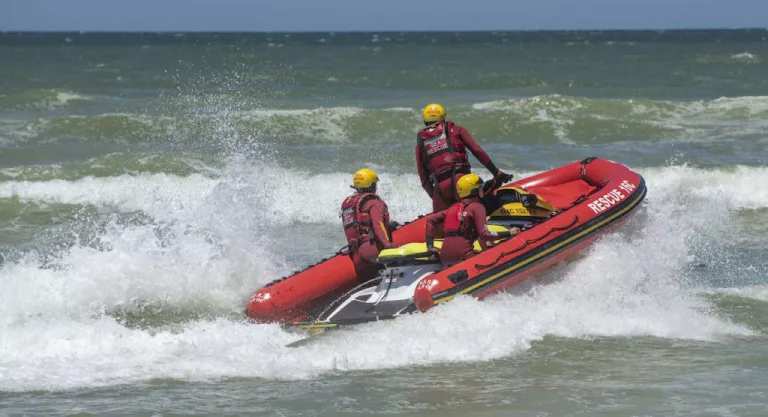
NSRI crews were waiting below with rescue boats.
Once the hikers reached the coast, NSRI teams used a small inflatable canoe to take them out to the waiting vessels, transporting the pair one at a time before bringing them safely ashore in Hout Bay.
The lengthy operation was finally completed shortly after 12:00 on Monday, with both hikers safely off the trail and all rescue teams accounted for.
The incident is also a reminder that digital hiking routes do not necessarily reflect current trail conditions, particularly on remote and exposed sections of Cape Town’s coastline. For hikers unfamiliar with an area, checking current route conditions and weather before setting out can be just as important as having a navigation app.
Originally published via Cape {town} Etc
Follow us on social media for more travel news, inspiration, and guides. You can also tag us to be featured.
Instagram | Facebook | Twitter | Spotify
ALSO READ:
The President Hotel welcomes Zarah Cassim for the next chapter of In Residence