






South African motorists are expected to receive some relief at the pumps from Wednesday, 4 November, as temporary fuel levy reductions help offset rising international oil prices and pressure on the rand.
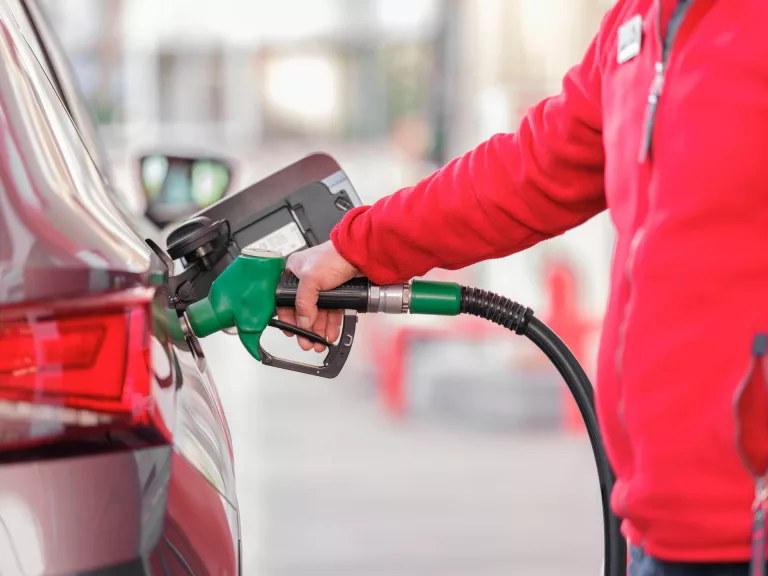
Photo: Pexels
According to the latest Central Energy Fund (CEF) figures, petrol prices could decline by between 50 cents and 93 cents per litre, while diesel prices are projected to drop by between R1.58 and R1.68 per litre.
The projections indicate that 95 unleaded petrol could decrease by 50 cents per litre, while 93 unleaded could fall by 93 cents. Diesel 500ppm and 50ppm are expected to become cheaper by R1.58 and R1.68 respectively.
If the projections materialise, motorists could pay approximately R29.83 per litre for 95 petrol inland and R28.96 at the coast. The inland price of 93 petrol is expected to settle at around R29.46 per litre.
The wholesale price of 500ppm diesel could fall to R30.37 inland and R29.50 at the coast, while 50ppm diesel is projected to cost R31.12 inland and R30.25 at the coast.
Temporary relief
The anticipated reductions follow Finance Minister Enoch Godongwana’s announcement during the Medium Term Budget Policy Statement (MTBPS) on 21 October of temporary fuel levy cuts aimed at easing pressure on households and businesses.
The General Fuel Levy will be reduced by R1.50 per litre for petrol and R3 per litre for diesel from 4 November until 1 December 2026.
The relief will subsequently be reduced, with petrol receiving a R1-per-litre levy reduction and diesel R1.50 per litre between 2 December and 5 January 2027.
‘To provide temporary relief, the fuel levy will be reduced by R3 per litre for diesel and R1.50 per litre for petrol,’ Godongwana said.
The intervention forms part of a R10 billion relief package intended to cushion consumers against escalating fuel costs.
The anticipated November reductions offer only limited relief following substantial increases earlier in the year.
Rising international oil prices, fuel supply concerns linked to escalating conflict in the Middle East and a weaker rand have contributed to the pressure on domestic fuel prices.
The final November adjustments are subject to confirmation by the Department of Mineral and Petroleum Resources, with factors such as the Slate Levy also influencing the eventual prices.
The latest reductions are therefore expected to provide motorists with some breathing room, although they will do little to reverse the substantial fuel cost increases experienced throughout 2026.
Article shared by Cape ETC
ALSO SEE: Camps Bay villa photos used in alleged holiday accommodation scam
Camps Bay villa photos used in alleged holiday accommodation scam