






Western Cape beachgoers have been met with an unusual sight in recent days, with thousands of ladybirds washing up along parts of the coastline.
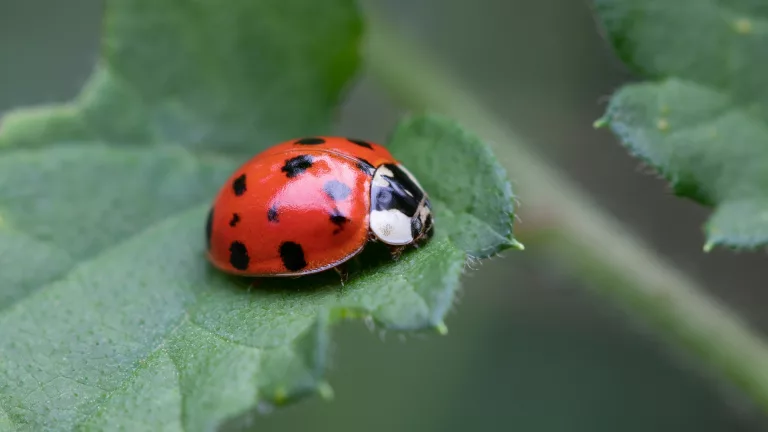
Image used for illustrative purposes/Filipe Resmini/Unsplash
Large numbers of the beetles have been spotted along the high-tide line at Strand, while similar sightings have been reported in Gordon’s Bay, Lambert’s Bay and Woodbridge Island. Some of the insects were found alive, although many had already died by the time they reached the shore.
The unusual coastal event has prompted questions about why so many ladybirds ended up in the ocean in the first place.
According to Renier Basson, an entomologist and Senior Field Officer at the Endangered Wildlife Trust, changing weather conditions may have played an important role. Speaking to CapeTalk, Basson suggested that a period of heavy rain caused vegetation to become lush, creating favourable conditions for aphids, which are an important food source for ladybirds.
A sudden shift to hotter and drier conditions then reduced the availability of aphids and caused vegetation to die back. The ladybirds subsequently began moving in search of greener areas.
This is where the wind may have changed their journey.
Ladybirds are capable of travelling considerable distances, but they are relatively poor flyers and rely on warm air currents and wind to assist their movement. Basson explained that the insects can rise hundreds of metres into the air before being carried by prevailing winds.
Along the Western Cape coast, strong winds may have swept migrating ladybirds offshore, where they eventually fell into the ocean before being carried back towards the shoreline.
Although the sight of thousands of ladybirds along a beach may appear alarming, Basson said the event is unlikely to have a significant impact on overall ladybird populations.
South Africa has around 300 described ladybird species, and the insects seen during this particular event represent only a small portion of that diversity. Most species are also much smaller and less recognisable than the brightly coloured ladybirds people are familiar with.
Mass insect wash-ups are unusual, but they are not unheard of. Similar events have been recorded in different parts of the world, often in connection with insect migration and changing weather conditions.
For the Western Cape, the latest sightings offer a striking reminder of how closely coastal landscapes are connected to atmospheric conditions, seasonal changes and the movements of even the smallest creatures.
Follow us on social media for more travel news, inspiration, and guides. You can also tag us to be featured.
Instagram | Facebook | Twitter | Spotify
ALSO READ: