

Some of Africa’s greatest safari experiences are still flying under the radar.

Liuwa Plain National Park/Jonchwalker/Wikimedia Commoms
While iconic names like the Serengeti and the Okavango Delta continue to dominate bucket lists, a new generation of safari destinations is quietly stepping into the spotlight. These protected landscapes offer extraordinary wildlife encounters without the crowds, while many also represent some of the continent’s most inspiring conservation success stories.
These are 7 of the safari destinations worth discovering now.
Liuwa Plain National Park, Zambia
If witnessing one of Africa’s last great wildlife spectacles appeals to you, Liuwa Plain National Park deserves a place on your list. Situated in western Zambia, this remote park is home to Africa’s second largest wildebeest migration. Every year tens of thousands of wildebeest move across the open grasslands, followed by cheetahs, spotted hyenas and the park’s growing lion population.
Unlike the more famous migrations elsewhere on the continent, visitors here often have entire sightings to themselves. The endless floodplains, dramatic thunderstorms and spectacular sunsets create an almost dreamlike landscape for photographers. The park is also one of the best places in Africa to appreciate true wilderness, where wildlife far outnumbers visitors.
Best time to visit: November to May for the wildebeest migration, although access depends on rainfall and seasonal flooding.
Nkasa Rupara National Park, Namibia

Charles J. Sharp/Wikimedia Commons
Most travellers associate Namibia with deserts, dunes and rugged mountains. Few realise the country also protects a lush wetland ecosystem that rivals parts of the Okavango. Located within the Kavango-Zambezi Transfrontier Conservation Area, Nkasa Rupara National Park is Namibia’s largest wetland reserve. Rivers, reed beds and floodplains provide habitat for elephants, buffalo, hippos, crocodiles and an impressive variety of birdlife.
Predators including lions, leopards and African wild dogs also roam the park, although spotting them often requires patience. Because tourism remains relatively low, safari drives here feel wonderfully exclusive. Boat safaris add another perspective, allowing visitors to explore channels lined with water lilies and papyrus.
Best time to visit: July to October, when wildlife gathers around permanent water.
Kafue National Park, Zambia

Catherine Merlin/Unsplash
Overshadowed by Zambia’s South Luangwa National Park for decades, Kafue is finally receiving the recognition it deserves.As one of Africa’s largest national parks, Kafue protects an astonishing diversity of habitats including miombo woodland, rivers, wetlands and the famous Busanga Plains.
The park is particularly celebrated for its predator sightings. Lions, leopards, cheetahs and African wild dogs all occur here, while the Busanga Plains offer exceptional opportunities to observe hunting behaviour in wide open landscapes. Kafue is also home to more than 500 bird species, making it one of southern Africa’s premier birding destinations. Its sheer size means visitors rarely feel crowded, even during peak safari season.
Best time to visit: June to October, with August and September offering excellent game viewing on the Busanga Plains.
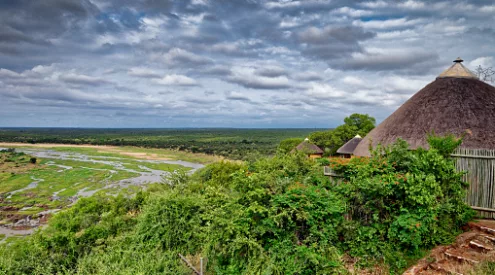
Gonarezhou National Park, Zimbabwe

Daniel Rosengren/Gonarezhou National Park
Meaning “Place of the Elephants”, Gonarezhou National Park remains one of Zimbabwe’s best kept safari secrets. As part of the Great Limpopo Transfrontier Park, Gonarezhou connects protected landscapes across Zimbabwe, Mozambique and South Africa, allowing wildlife to move freely across international borders.
The park is famous for its towering red sandstone cliffs overlooking the Runde River, one of southern Africa’s most striking safari landscapes. Elephants are the stars here, but visitors can also encounter lions, African wild dogs, buffalo, giraffes and numerous antelope species. For travellers seeking a more adventurous safari with fewer vehicles and genuinely wild scenery, Gonarezhou delivers in abundance.
Best time to visit: May to October.
Majete Wildlife Reserve, Malawi

David Davies/Wikimedia Commons
Few parks better demonstrate the power of conservation than Majete Wildlife Reserve. Just a few decades ago, much of the reserve had been emptied of its large mammals through poaching. Thanks to an ambitious restoration programme, Majete is now home to thriving populations of elephants, black rhinos, lions, leopards and buffalo, making it one of Malawi’s Big Five destinations.
Visitors can enjoy traditional game drives alongside walking safaris and river excursions on the Shire River. The reserve remains refreshingly uncrowded, allowing for intimate wildlife encounters while directly supporting long term conservation efforts.
Best time to visit: May to October.
Zinave National Park, Mozambique
Mozambique is often associated with idyllic beaches, but its inland wilderness is undergoing an extraordinary transformation. Zinave National Park has become one of Africa’s leading rewilding success stories. Large scale wildlife translocations have reintroduced thousands of animals, including elephants, buffalo, giraffes, zebras, wildebeest and predators.
As ecosystems recover, visitors have the rare opportunity to witness a national park being restored almost in real time. The result is a safari destination that feels excitingly fresh, with excellent opportunities to support conservation tourism while exploring a landscape that relatively few international visitors have experienced.
Best time to visit: May to October.
Luengue-Luiana National Park, Angola
For decades, Angola’s national parks remained largely inaccessible due to conflict. Today, Luengue-Luiana National Park is emerging as one of Africa’s most promising conservation frontiers. Covering an immense area in southeastern Angola, the park forms part of the Kavango-Zambezi Transfrontier Conservation Area, the largest terrestrial conservation landscape on Earth.
Large elephant herds are returning to the region, while lions, leopards, cheetahs, African wild dogs and numerous antelope species are gradually reclaiming their historic range. Infrastructure is still developing, meaning safaris here appeal to adventurous travellers seeking genuine exploration rather than luxury lodges on every corner. As conservation investment continues, Luengue-Luiana may well become one of Africa’s defining safari destinations over the coming decade.
Best time to visit: June to October.
The future of safari travel
One of the biggest trends shaping African tourism is a growing desire to venture beyond the famous parks. Travellers are increasingly looking for destinations that offer authentic wilderness experiences while contributing directly to conservation and local communities.
These emerging safari destinations provide exactly that. Whether it is witnessing a little known migration in Zambia, exploring Namibia’s hidden wetlands or discovering a rewilded landscape in Mozambique, each offers a chance to experience Africa in a quieter, more meaningful way.
The continent’s iconic safari destinations will always deserve their legendary status. But for those willing to take the road less travelled, Africa’s next great safari adventure has already arrived.
Follow us on social media for more travel news, inspiration, and guides. You can also tag us to be featured.
Instagram | Facebook | Twitter | Spotify
ALSO READ:


_male.jpg)
