


January rarely tops the list when travellers dream up their African safari. The focus usually falls on the dry, dust-heavy months when wildlife gathers around rivers and sightings feel guaranteed.

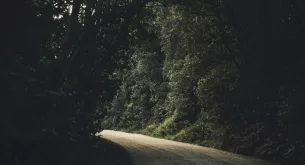
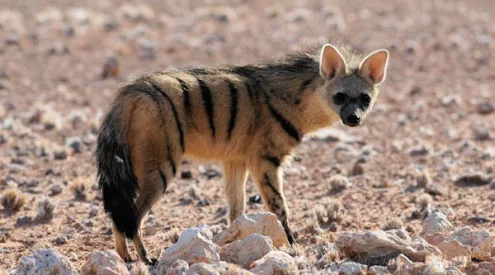
Image used for illustrative purposes/Mark Stoop/Unsplash
This is the month when landscapes soften, wildlife stories multiply, and the bush exhales after the heat and intensity of peak season. For travellers seeking something more immersive and less crowded, January offers a safari reset in the truest sense.
The green season transforms the landscape
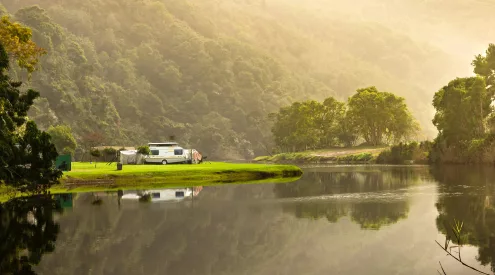
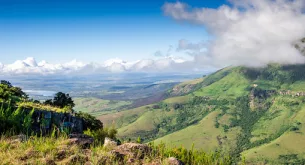
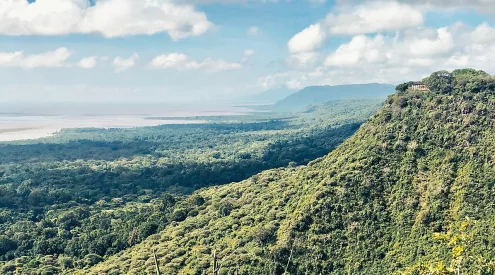
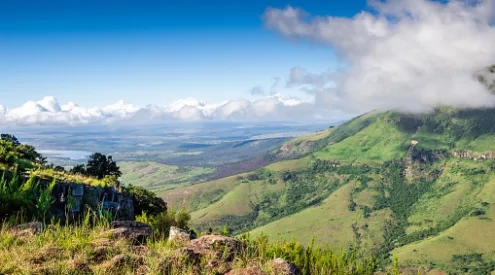
By January, much of southern and eastern Africa has been reshaped by early summer rains. Grasslands glow green, trees regain their fullness, and dry riverbeds begin to stir back to life.
Instead of the muted browns of winter, the bush feels textured and alive. In places like the Kruger National Park, the Okavango Delta and Tanzania’s southern Serengeti, this seasonal shift creates a safari that feels softer on the senses and far more cinematic.
Why greener landscapes matter
The green season is not just about aesthetics. It influences animal behaviour, light quality and the rhythm of game drives.
Photographers benefit from dramatic cloud formations, diffused light and intense colour contrasts. Water-filled pans draw birds and smaller mammals that are absent in the dry season, while predators adapt their strategies to thicker vegetation.
For travellers, this means game drives that feel exploratory rather than predictable, with each sighting unfolding as part of a larger ecological story.
January is peak season for new life
One of January’s greatest rewards is its role in the wildlife calendar. Across many safari regions, this month aligns with birthing seasons for herbivores.
In Tanzania’s Ndutu region and the southern Serengeti, wildebeest and zebra calving is well underway. Thousands of newborns take their first steps across open plains, drawing predators into near-constant motion.
More movement, more drama
Calving season means heightened activity. Lions, cheetahs and hyenas are rarely far away, and sightings often involve active hunts rather than passive resting scenes.
Elsewhere in southern Africa, impala lambs, warthog piglets and elephant calves begin to appear. These moments bring emotional depth to a safari and remind travellers that the bush is not just about big game but about continuity and survival.
Fewer vehicles and a slower safari rhythm
January sits outside the busiest safari window, which immediately changes the experience on the ground.
Lodges are less full, booking availability improves, and game drive routes feel noticeably quieter. At popular sightings, vehicles are fewer, and guides have more freedom to linger or reposition without pressure.
Why this matters for travellers
A quieter bush allows for deeper observation. You hear more, see more and feel less rushed. Guides often have more time to explain behaviour, track animals on foot where permitted and tailor drives to guest interests.
For repeat safari-goers especially, January offers a return to the feeling of discovery that first-time safaris are known for.
Birdlife is at its best
January is prime time for birding across Africa. Migratory species arrive in full breeding plumage, wetlands brim with activity, and insect life flourishes.
From bee-eaters and kingfishers to raptors and waterbirds, the diversity can be astonishing. Even travellers who do not consider themselves birders often find January safaris unexpectedly rewarding in this regard.
A richer, more layered ecosystem
Birdlife adds dimension to game drives. The presence of frogs, insects and flowering plants creates a fuller ecological picture that is less visible in the dry months.
For families or travellers interested in conservation and education, this season offers a valuable window into how ecosystems function beyond headline species.
Weather that is dramatic, not disruptive
Rain is often the biggest concern for January travel, but the reality is more nuanced.
Showers typically arrive in short bursts, often in the late afternoon. These storms cool the landscape, freshen the air and leave behind striking skies that elevate the entire safari atmosphere.
Morning and early evening game drives usually proceed uninterrupted, and experienced guides adapt routes to avoid challenging road conditions.
What to pack and plan for
Light rain jackets, breathable clothing and insect repellent go a long way. Lodges are well prepared for the season, and many travellers find the greener months more comfortable than the dry season’s dust and cold winter mornings.
Better value without compromising quality
January often comes with more flexible pricing and seasonal offers, especially at high-end lodges. This opens the door to experiences that may feel out of reach during peak months.
Longer stays, private vehicles and upgraded accommodation become more accessible, making January an appealing option for travellers seeking value without sacrificing quality.
A safari that feels like a reset
January safaris do not compete with dry-season safaris. They offer something different.
This is a time of renewal, movement and growth. The bush is alive with possibility, unburdened by crowds and rich in subtle moments that linger long after the game drive ends.
For travellers willing to shift their expectations, January delivers a safari that feels quieter, greener and deeply rewarding. A true reset for both the land and the people exploring it.
Follow us on social media for more travel news, inspiration, and guides. You can also tag us to be featured.
TikTok | Instagram | Facebook | Twitter
ALSO READ: Western Cape easy safari drives for travellers short on time