



Image: Domenico Convertini / Wikimedia Commons
When people picture the Cederberg, they often think of sun-scorched rocks and hiking under a blazing summer sun. But if you know the region well, you’ll know winter is when it truly comes alive — quietly, subtly, and with far fewer people around. While the temperatures drop and the rest of the Western Cape gets wet, the Cederberg becomes a calm, cool and surprisingly welcoming retreat.
ALSO READ: Last known elephant of Knysna forest spotted in rare sighting
Here’s why it deserves a spot on your winter bucket list.
It’s cooler, but not cold
Winter in the Cederberg is crisp in the mornings and evenings, but daytime highs often reach a comfortable 18–22°C. This makes it perfect for hiking without the harsh summer glare or overheating. You’ll still need to pack warm layers — especially for early starts — but the cold is dry, not damp, and the mountain air feels clean and invigorating.
Hiking is at its best
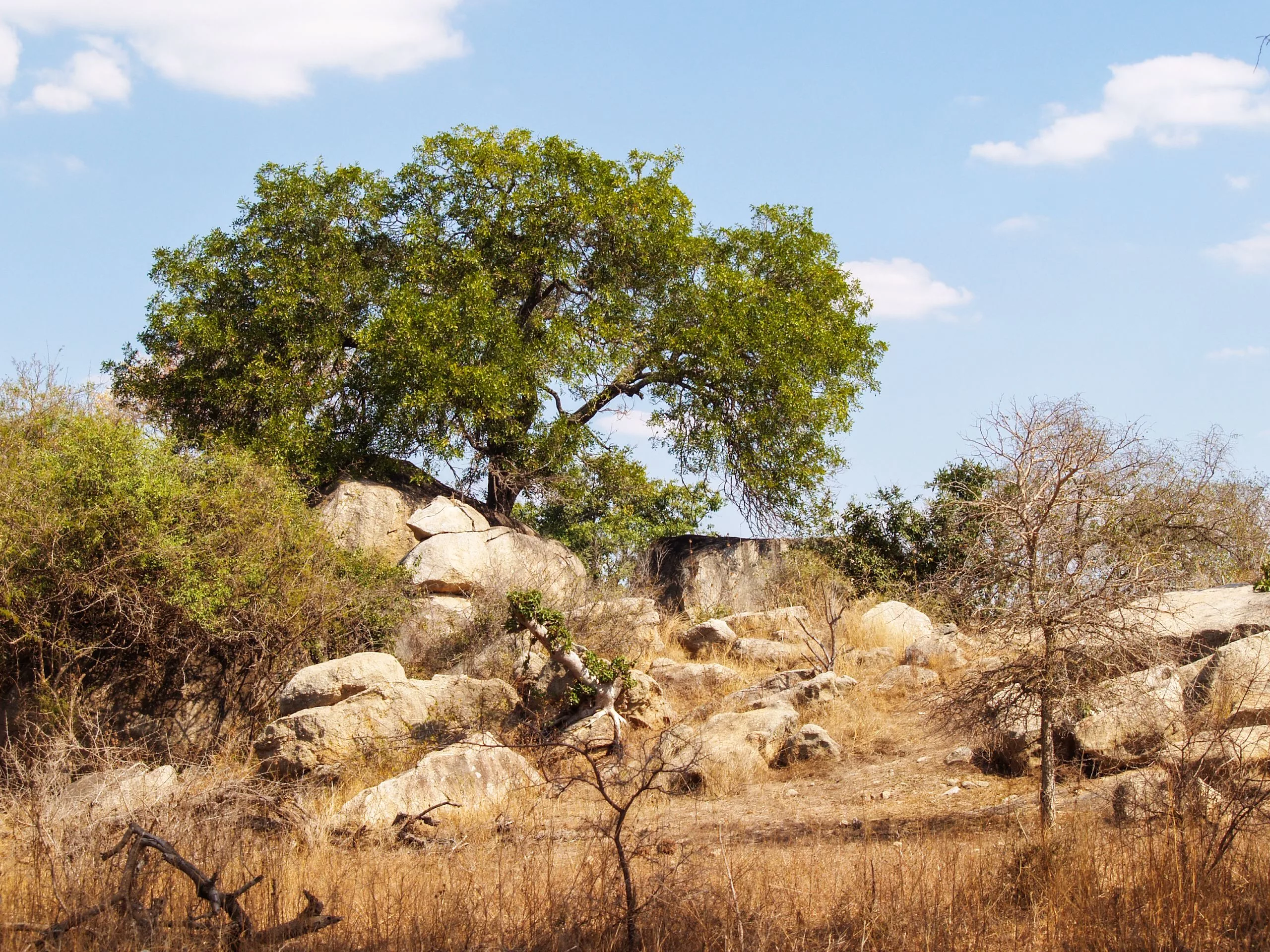
The region’s sandstone formations — like the Wolfberg Arch, Maltese Cross and Stadsaal Caves — are still accessible in winter, and the quieter trails mean you’re likely to have them all to yourself. Even the more popular day routes, like the hike to Lot’s Wife or the Waterfall Trail at Algeria, are blissfully uncrowded.
With fewer bugs, less dust and softer light throughout the day, it’s also a dream for photographers.
You’ll get better stargazing
With clearer skies and less atmospheric haze, winter is prime stargazing season in the Cederberg. Whether you’re staying at a remote farm cottage or visiting the Cederberg Astronomical Observatory, you’ll be treated to some of the darkest skies in South Africa. Pack a beanie and sit around the fire — the stars are worth it.
Cosy stays come into their own
There’s something deeply satisfying about a mountain cabin in winter. Many Cederberg stays are built for it, with fireplaces, thick duvets and long stoep views. At places like Kagga Kamma, Mount Ceder, or one of the rustic self-catering cottages in Matjiesrivier, winter brings quiet, fire-lit evenings and red wine at altitude.
The landscape surprises you
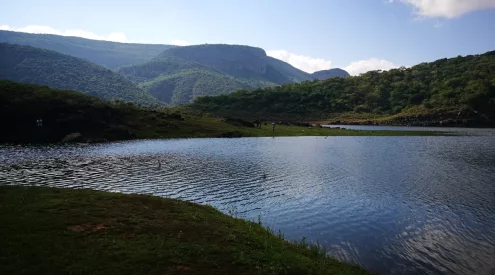
After the first good rains, the Cederberg transforms. Seasonal streams begin to flow, and small patches of wildflowers and greenery emerge between the ochre rocks. The contrast is striking, especially against the region’s famously dramatic light and colour palette.
Fewer crowds = better prices and peace
Winter is low season in the Cederberg, which means you’re more likely to get discounted rates on accommodation and won’t need to jostle for campsites or book activities weeks in advance. Popular spots like Sanddrif, Algeria and Dwarsrivier are all much quieter in winter — and that silence is part of the magic.
Know before you go
-
Weather: Nights can dip below 5°C, so pack warm sleepwear and jackets. Rain is possible but usually brief.
-
4×4: Some gravel roads may become slippery or eroded after rains — check in with your accommodation ahead of time.
-
Booking: Even in winter, some weekends can fill up quickly — especially with Capetonians in the know.
Whether you go for the solitude, the stars, or the slow pace of mountain life, winter in the Cederberg is a secret that’s well worth keeping — and sharing.
Follow us on social media for more travel news, inspiration, and guides. You can also tag us to be featured.
TikTok | Instagram | Facebook | Twitter
ALSO READ: Namaqualand’s wildflower season arrives ahead of schedule