





Conservationist John Hume, once known for owning the world’s largest population of white rhinos, appeared in the Pretoria Magistrate’s Court on Tuesday alongside five others, facing charges linked to the transnational trafficking of nearly 1,000 rhino horns.

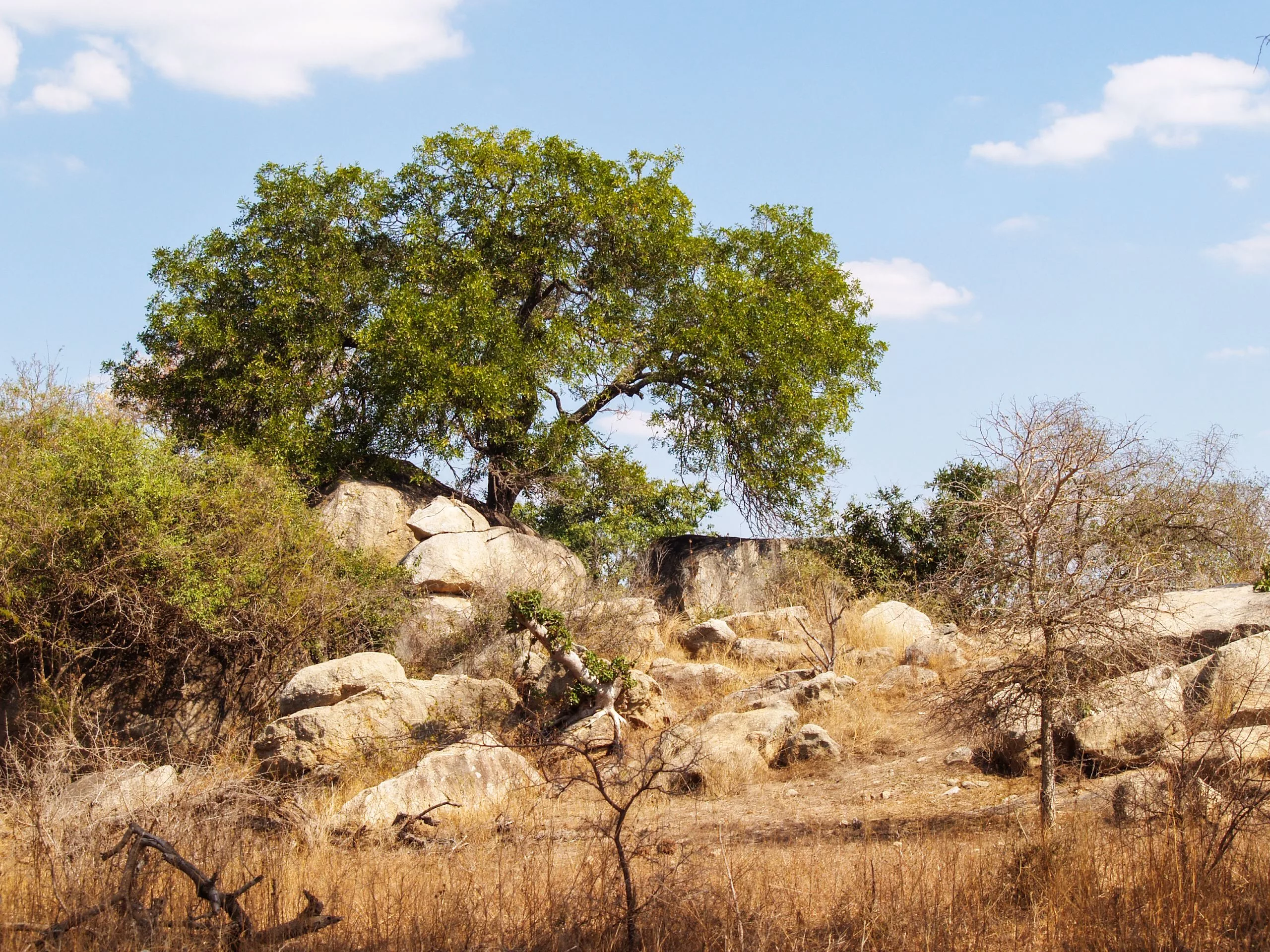
Image used for illustrative purposes/Arya Tulsyan/Unsplash
The 83-year-old, identified by the National Prosecuting Authority (NPA) as one of the accused, is the founder and former owner of the Platinum Rhino Conservation Enterprise in North West, according to reports by News24.
Hume once oversaw more than 2,000 rhinos on his 7,800-hectare property, representing about 15% of the world’s remaining population of southern white rhinos.
A syndicate under investigation since 2017
NPA spokesperson Lumka Mahanjana confirmed that the six were charged following a seven-year investigation by the Hawks’ Wildlife Trafficking Section of the Serious Organised Crime Unit.
The accused include:
- Clive Melville (63) – transport maintenance manager
- Izak Hermanus du Toit (50) – attorney
- Elizabeth Catharina van Niekerk (58) – non-profit director
- Mattheus Poggenpoel (37) – insurance broker and part-time farmer
- Johannes Abraham Hennop (52) – game reserve manager
All six are facing a combined 55 charges, including racketeering, fraud, theft, money laundering, and contraventions of the National Environmental Management Act and Riotous Assemblies Act.
Mahanjana said, “They allegedly obtained permits to trade rhino horn locally while intending to channel the horns into illegal international markets in Southeast Asia. The fraudulent scheme is estimated to involve 964 rhino horns valued at R250 million.”
Bail and previous convictions
Hume was granted bail of R100 000, while Melville and Van Niekerk received bail of R10 000 each. Du Toit, Poggenpoel, and Hennop were released on R2 000 bail each.
During proceedings, Melville disclosed a 2019 conviction for fraud and possession of rhino horns. Poggenpoel also admitted to a 2009 conviction for possession of a rhino horn and has a pending case involving illegal possession of ammunition and unlicensed medicine.
As part of their bail conditions, the accused must surrender their passports, report to their nearest police station weekly, avoid interfering with witnesses, and refrain from committing further offences. The case was postponed to 9 December 2025 for further investigation.
Government response
The Department of Forestry, Fisheries, and the Environment stressed that international commercial trade in rhino horn remains banned under CITES.
Environment Minister Dion George welcomed the arrests: “This is a decisive victory in South Africa’s fight against international wildlife crime. Let there be no doubt: South Africa will bring the full force of its laws against those who plunder our wildlife.
“This arrest proves that syndicates cannot escape justice, no matter how complex their schemes.”
He added, “The illegal trade in rhino horn not only destroys biodiversity but also undermines the rule of law and the foundations of environmental governance.”
Hume’s controversial legacy
Hume sold Platinum Rhino to African Parks in 2023 after draining his fortune—reportedly $150 million—over 30 years of private rhino conservation. He was a polarising figure for advocating the trade of “ethically harvested” horns, arguing that a regulated market could reduce poaching by lowering demand.
But critics highlighted that the illicit horn trade is deeply tied to organised crime. Speaking in 2024, Professor James Larkin warned that “every 20 hours, a rhino is killed for its horn in South Africa,” adding that rhino horn is worth more on the black market than gold, platinum, diamonds, or cocaine.
Follow us on social media for more travel news, inspiration, and guides. You can also tag us to be featured.
TikTok | Instagram | Facebook | Twitter
ALSO READ: World Orangutan Day: The ongoing battle to save Asia’s great apes