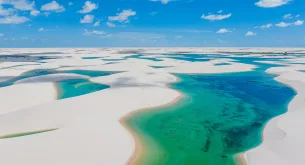




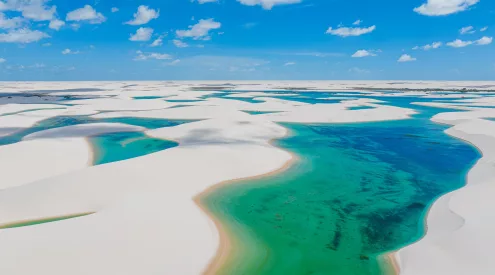


Few places in South Africa capture the spirit of a seaside holiday quite like Durban. The smell of salty air along the Golden Mile, early morning surfers heading for the waves, and families setting up umbrellas along the sand have long been part of the city’s rhythm.

Source: The South African
According to travelnews.africa, travellers have another reason to pack their beach bags. The latest coastal water quality report from the eThekwini Municipality shows that 22 of Durban’s 23 monitored bathing beaches currently meet national recreational water safety standards, giving visitors renewed confidence to swim, surf, and enjoy the warm Indian Ocean.
For anyone planning a KwaZulu-Natal getaway, the news signals that one of the country’s favourite beach destinations is in strong shape heading into the next travel season.
Durban’s most popular beaches remain open
Many of the city’s best-known swimming spots are currently open and operating normally. These include:
• uShaka Beach
• North Beach
• South Beach
• uMhlanga Main Beach
• Battery Beach
These beaches are monitored by lifeguards daily from 06:00 until 18:30, offering a supervised environment for swimmers, surfers, and families spending the day by the water.
Durban’s coastline has always been central to its tourism identity. Stretching along the warm waters of the Indian Ocean, the beachfront blends urban energy with natural beauty. Visitors can move from a sunrise surf session to beachfront cafés, markets, and restaurants in a matter of minutes.
For many South Africans, Durban’s beaches carry a sense of nostalgia. Generations have grown up with school holiday trips to the coast, beach cricket on the sand, and evening walks along the promenade.
One beach remains temporarily closed
Not every beach has reopened just yet.
Country Club Beach is currently closed as a precaution while water quality concerns are addressed. Authorities have indicated that the beach will reopen once testing confirms it meets national safety standards.
While closures like this may frustrate regular beachgoers, they also highlight the strict monitoring system in place to protect public health.
How Durban monitors its coastline
The eThekwini Municipality runs an extensive water quality monitoring programme that covers more than 100 kilometres of coastline.
Routine seawater samples are collected from official bathing beaches and sent to accredited laboratories. Scientists then test the water for microbiological indicators such as E. coli bacteria, which can signal contamination from runoff or pollution.
The results are released publicly, allowing residents and visitors to stay informed about beach conditions.
Environmental factors such as heavy rainfall, stormwater runoff, and shifting ocean currents can sometimes affect water quality. When that happens, temporary restrictions may be introduced until follow-up tests confirm that conditions are safe again.
Local authorities also advise beachgoers to avoid swimming for 24 to 48 hours after heavy rain, when runoff may temporarily impact ocean water quality.
Alternatives for travellers who prefer pools
For visitors who want a guaranteed swim regardless of ocean conditions, Durban offers another option.
The municipality maintains around 40 public swimming pools across the metro, all supervised by trained lifeguards. These facilities are popular with families travelling with young children or anyone looking for a calmer environment than the open sea.
Why this matters for travellers
Durban’s beaches are more than just scenic backdrops. They are a cornerstone of the city’s tourism economy and a major draw for domestic and international travellers.
The latest water quality results reinforce Durban’s reputation as a reliable coastal destination where visitors can enjoy warm water, wide sandy beaches, and a lively beachfront culture.
On social media, locals often celebrate the simple pleasure of a “Durban day” by the sea. Photos of sunrise swims, surfers carving through early morning waves, and sunset walks along the promenade regularly circulate online, reminding travellers why the city’s coastline holds such enduring appeal.
With 22 beaches currently meeting safety standards, the outlook for Durban’s seaside tourism remains overwhelmingly positive.
For travellers planning a trip to KwaZulu-Natal, the message is simple. The water is warm, the sand is golden, and the majority of Durban’s beaches are ready to welcome visitors once again.
Source: travelnews.africa
Follow us on social media for more travel news, inspiration, and guides. You can also tag us to be featured.
TikTok | Instagram | Facebook
ALSO READ:
Boeing 737 completes rare Antarctica landing after Cape Town departure