


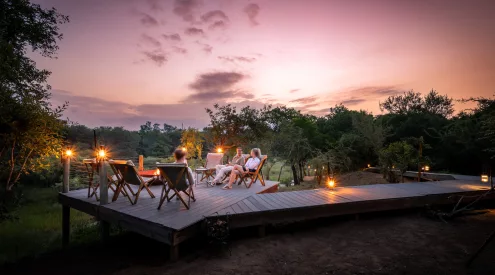

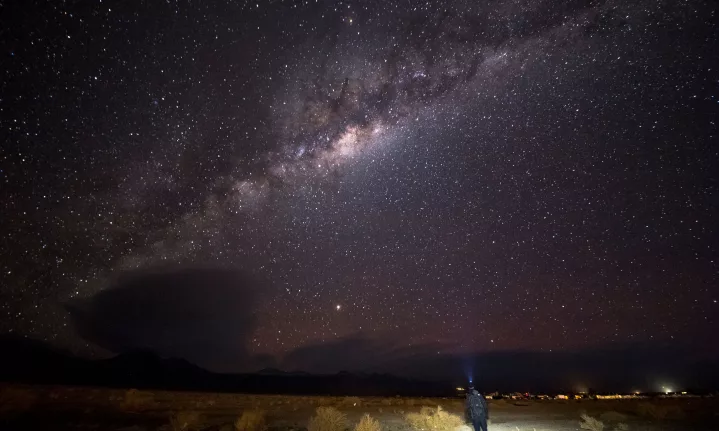
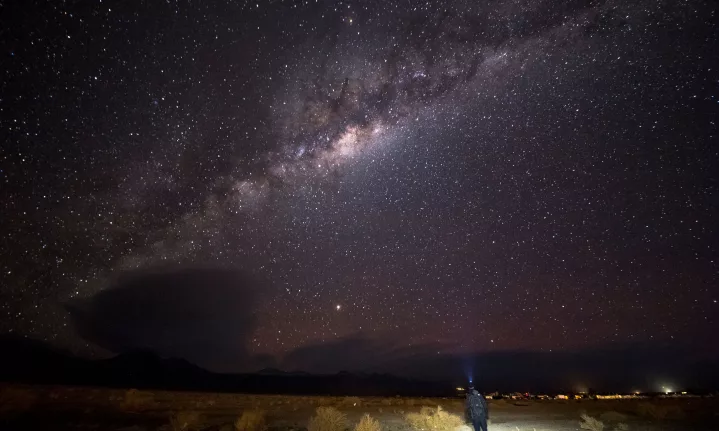
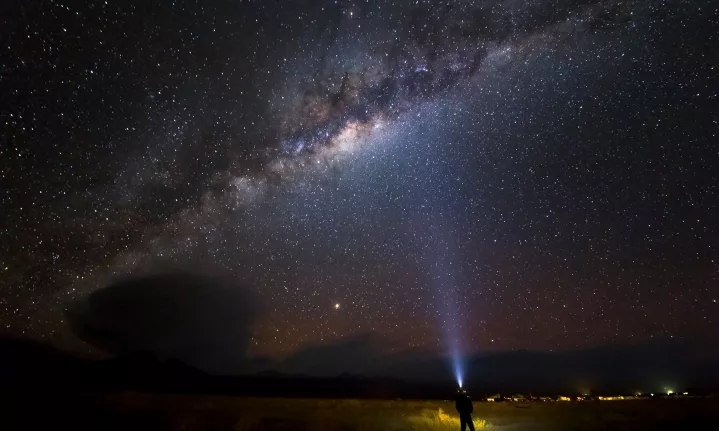
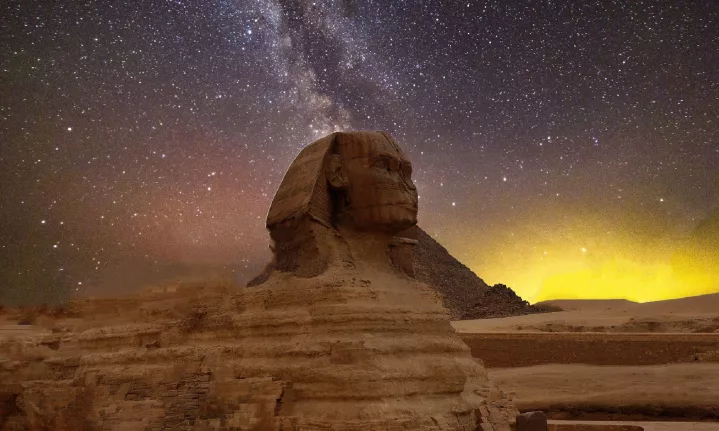
South Africans are fortunate to have some of the darkest skies on Earth. From the vast landscapes of the Karoo to the internationally recognised dark skies of the Northern Cape, we’re no strangers to unforgettable nights beneath the stars.
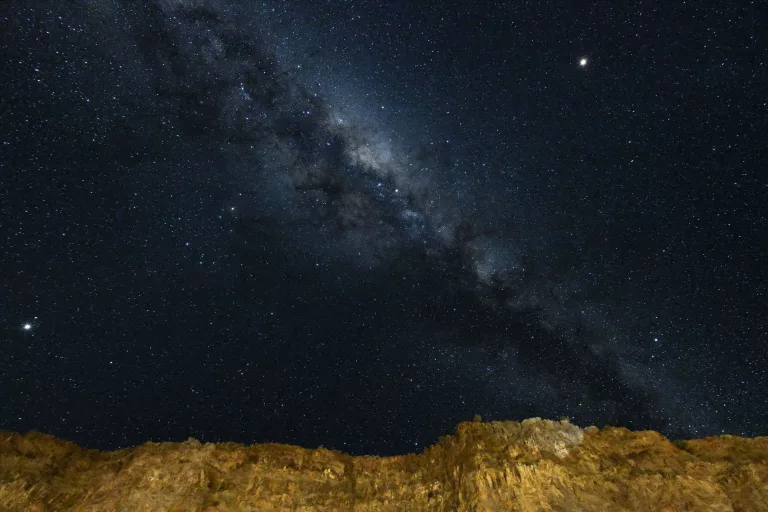
Photo by David Dibert / Pexels
But beyond our borders lies a world of equally remarkable celestial destinations, where high altitudes, dry climates and strict light pollution policies have created extraordinary windows into the universe. Whether you’re an amateur astrophotographer, a seasoned astronomer or simply someone who loves ending the day beneath a blanket of stars, these international stargazing destinations offer experiences that are worth travelling for.
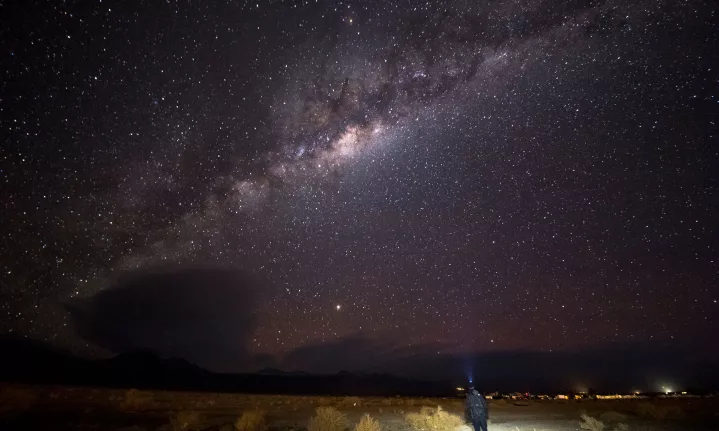
1. Atacama Desert, Chile
The Atacama Desert is widely regarded as one of the finest places on Earth for astronomical observation. Sitting more than 2,400 metres above sea level, it combines exceptionally high altitude with almost non-existent rainfall and remarkably stable atmospheric conditions.
Scientists recognised its potential decades ago, leading to the construction of world-renowned observatories including the Atacama Large Millimeter/submillimeter Array (ALMA) and several facilities operated by the European Southern Observatory. Today, the region hosts a significant proportion of the world’s ground-based astronomical research.
For travellers, the gateway town of San Pedro de Atacama offers numerous guided night-sky excursions, telescope sessions and astrophotography tours.
Best time to visit: March to November, when skies are generally clearest and humidity remains extremely low.
Tip: Book a guided astronomy tour during a new moon. Many operators combine professional telescopes with storytelling about Indigenous Andean cosmology, offering a richer understanding of both the science and cultural significance of the night sky.
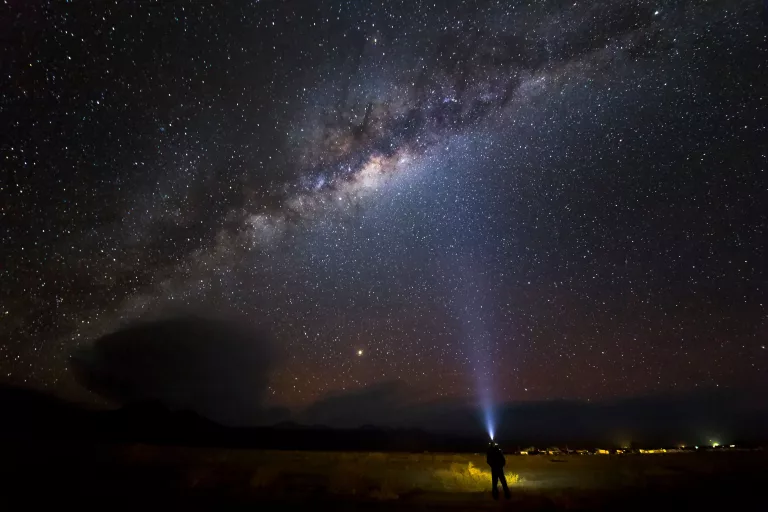
Photo by Erike Fusiki / Pexels
2. Aoraki Mackenzie International Dark Sky Reserve, New Zealand
In 2012, New Zealand’s Mackenzie Basin became one of the world’s largest International Dark Sky Reserves, protecting more than 4,300 square kilometres of pristine night skies.
The region surrounds Aoraki/Mount Cook, New Zealand’s highest mountain, where low population density, clean air and carefully controlled outdoor lighting create exceptional viewing conditions.
Long before modern astronomy, Māori communities used the stars for navigation, seasonal calendars and storytelling, traditions that continue to shape cultural astronomy experiences today.
Best time to visit: April to September offers long, dark winter nights, although the reserve delivers excellent viewing throughout the year.
Tip: Visit the summit observatory at Mount John near Lake Tekapo. Evening tours combine large telescopes with expert commentary, and the nearby hot pools offer one of the world’s most relaxing stargazing experiences.
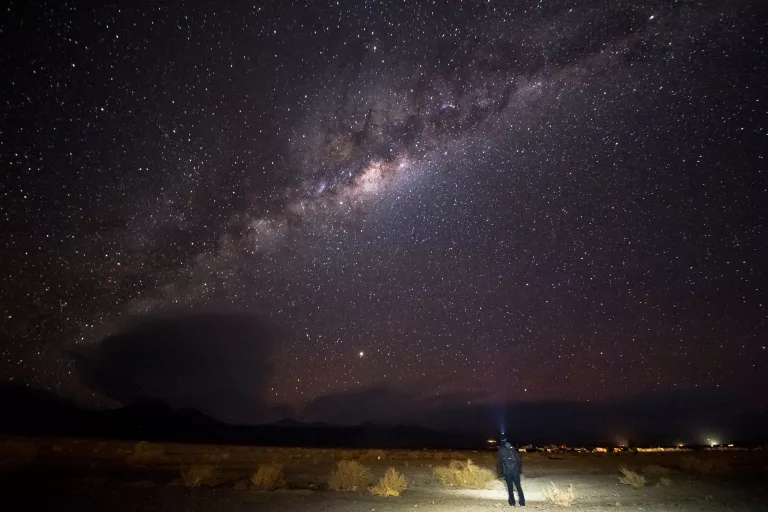
Photo by Erike Fusiki / Pexels
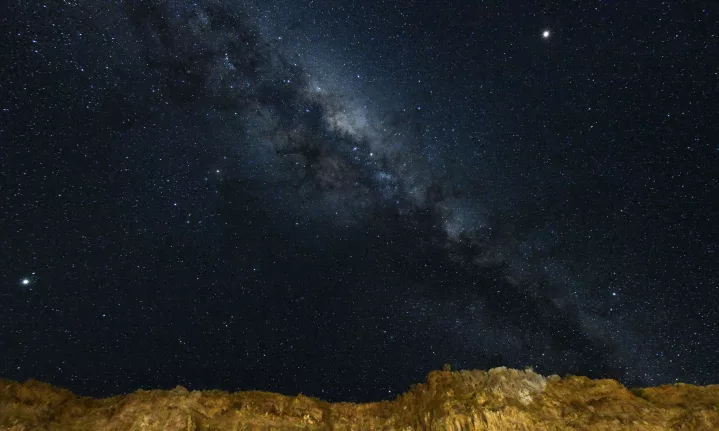
3. NamibRand Nature Reserve, Namibia
Just across South Africa’s northern border lies one of Africa’s greatest astronomical treasures. NamibRand Nature Reserve became Africa’s first International Dark Sky Reserve in 2012. Covering more than 200,000 hectares of protected desert wilderness, it has some of the lowest levels of artificial light pollution anywhere on the continent.
The reserve forms part of the ancient Namib Desert, believed to be among the oldest deserts on Earth, with landscapes shaped over millions of years.
Many lodges have embraced astro-tourism by offering open-air “star beds,” astronomy talks and private telescope experiences.
Best time to visit: May to September, when winter brings cooler evenings and consistently cloud-free skies.
Tip: Spend at least two nights in the reserve. Desert sunsets, moonrises and the Milky Way each offer dramatically different photographic opportunities.
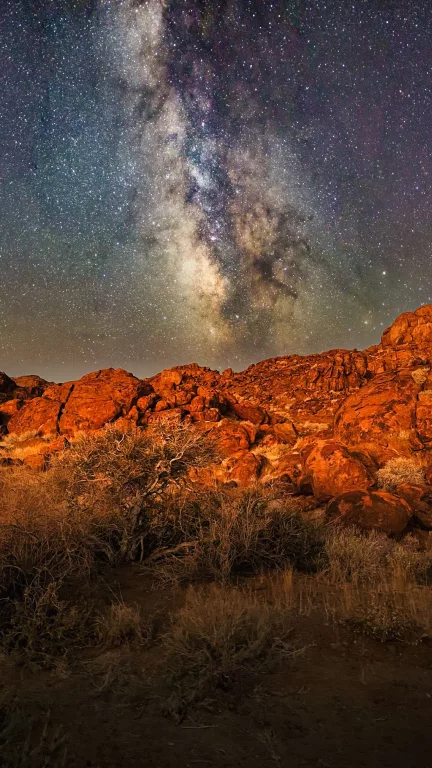
Photo by Linus Kersting / Pexels
4. Mauna Kea, Hawaii, USA
Rising more than 4,200 metres above sea level, Mauna Kea is among the world’s premier astronomical sites.
Its volcanic summit sits above much of Earth’s atmospheric moisture, providing remarkably stable viewing conditions. Since the 1960s, international observatories have transformed the mountain into one of the world’s leading centres for astronomical research.
Mauna Kea also holds profound spiritual significance for Native Hawaiians, making respectful visitation especially important.
Best time to visit: April through October generally offers the driest conditions.
Tip: Visitors should allow time to acclimatise before heading to higher elevations. Sunset from the visitor information station followed by guided telescope viewing provides an unforgettable experience without travelling all the way to the summit.
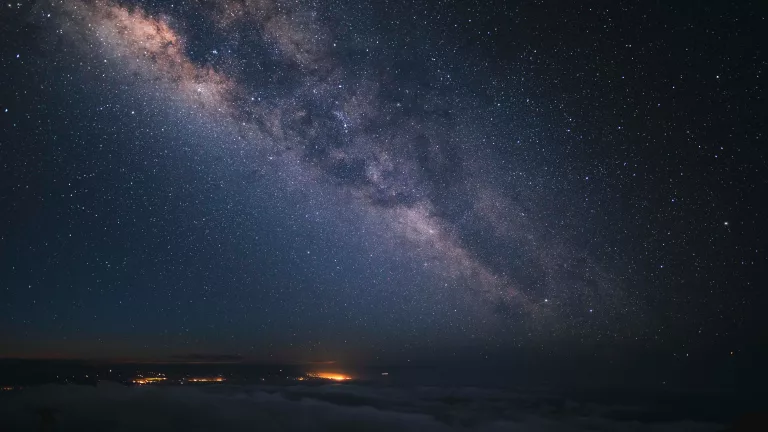
Photo by Alex Qian / Pexels
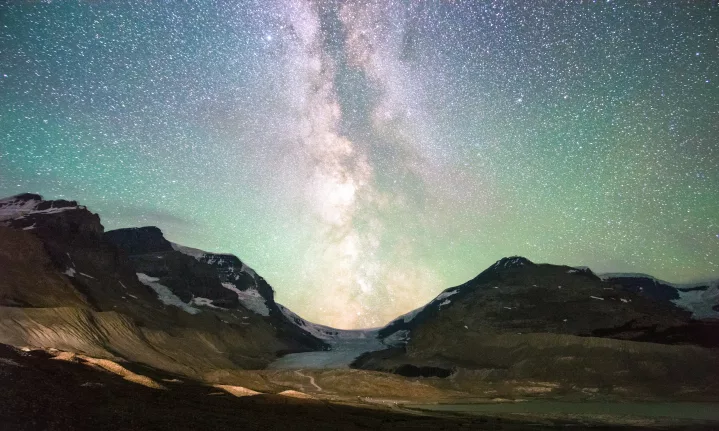
5. Jasper National Park, Canada
Declared a Dark Sky Preserve by the Royal Astronomical Society of Canada in 2011, Jasper National Park protects over 11,000 square kilometres of wilderness.
Its commitment to reducing artificial lighting has helped establish the park as one of North America’s leading astro-tourism destinations.
Each autumn, the park hosts the internationally recognised Jasper Dark Sky Festival, attracting scientists, photographers and travellers from around the world.
Best time to visit: September and October, when the festival coincides with crisp nights and opportunities to see both the Milky Way and, occasionally, the Northern Lights.
Tip: Combine a stargazing trip with wildlife watching during the day. Elk, bighorn sheep and bears are commonly spotted throughout the park.
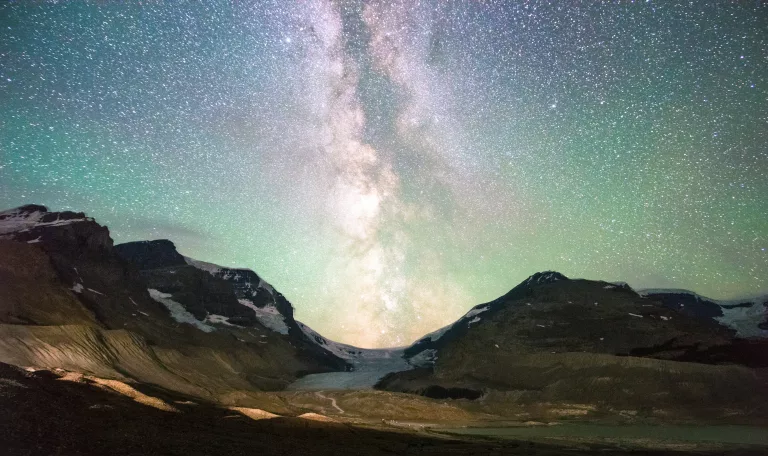
Photo by Caleb White / Unsplash
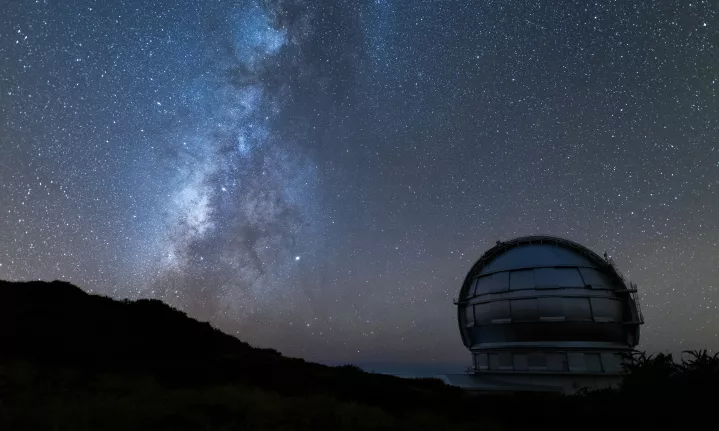
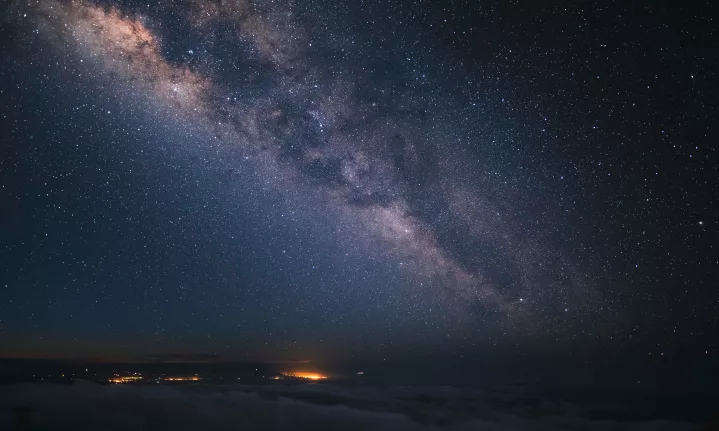
6. La Palma, Canary Islands, Spain
Known as La Isla Bonita, La Palma has spent decades protecting its skies through some of Europe’s strictest light pollution regulations.
The island’s Roque de los Muchachos Observatory, established in the 1980s, is considered one of the world’s most important astronomical research facilities.
Frequent temperature inversions create a “sea of clouds” below the observatories, leaving mountaintops beneath exceptionally clear skies.
Best time to visit: Summer offers stable weather, although excellent stargazing is possible throughout most of the year.
Tip: Hire a car and explore the island’s designated astronomical viewpoints. Many have interpretation panels explaining the constellations visible throughout the seasons.
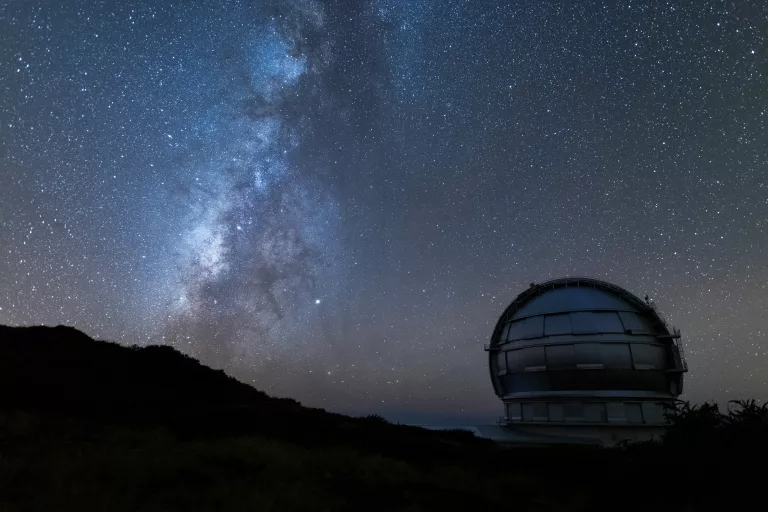
Photo by David Monje / Unsplash
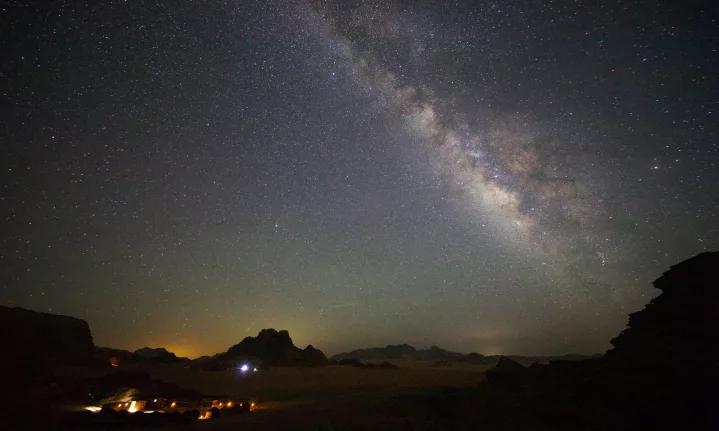
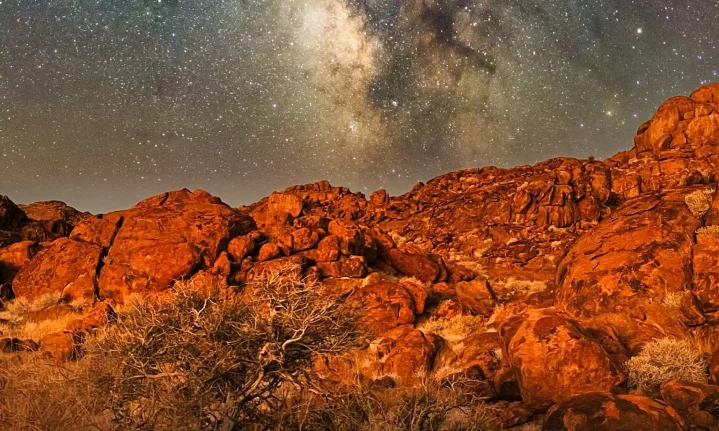
7. Wadi Rum, Jordan
Often called the Valley of the Moon, Wadi Rum has inspired travellers for centuries with its towering sandstone mountains and vast desert silence.
The protected landscape has long been home to Bedouin communities whose knowledge of the stars guided travel across the desert long before GPS.
Today, overnight camps blend traditional hospitality with spectacular celestial viewing in one of the Middle East’s darkest landscapes.
Best time to visit: March to May and September to November offer comfortable daytime temperatures and clear nights.
Tip: Stay overnight in a Bedouin camp rather than taking a day trip. Once tour groups leave, the desert becomes astonishingly quiet, making the night sky even more memorable.
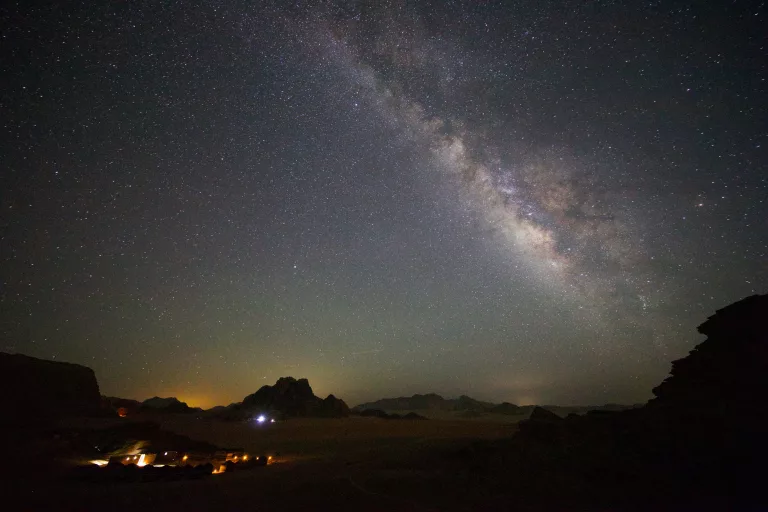
Photo by Dylan Shaw / Unsplash
Why international stargazing destinations matter
International Dark Sky designations do more than create beautiful travel experiences. They help protect wildlife, reduce unnecessary energy use and preserve humanity’s connection with the night sky. Around the world, destinations are increasingly recognising that darkness is a natural resource worth conserving.
For travellers, that means more opportunities to experience skies filled with thousands of visible stars, something that has become increasingly rare in urban environments.
Which international stargazing destination will you visit first?
The best stargazing destinations remind us that travel is not only about what lies on the horizon but also what stretches above it. Whether you’re planning your first astro-tour or adding another destination to your travel wish list, these international stargazing destinations prove that some of the world’s greatest adventures begin after sunset.
For South Africans already spoiled by exceptional night skies at home, these destinations offer another reason to pack a camera, stay out a little later and rediscover the simple wonder of the stars.
Follow us on social media for more travel news, inspiration, and guides. You can also tag us to be featured.
Instagram | Facebook | Twitter | Spotify
ALSO READ: