




Visa deadline looms for thousands in South Africa as uncertainty grows
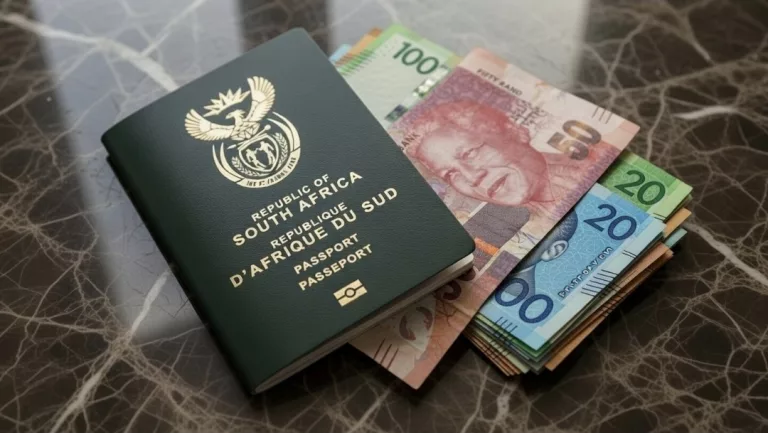
Sourced: X{@TheTruthPanther}
For thousands of people living, working, and raising families in South Africa, today doesn’t feel ordinary. It feels like a countdown.
After years of waiting, extensions, and hope, the clock has finally run out on a temporary lifeline that kept many foreign nationals legally protected while their visa applications sat in limbo.
Now, with that protection ending on 31 March 2026, many are facing a harsh and uncertain reality: what happens next?
A system that bought time, but not answers
Since 2022, special visa concessions from the Department of Home Affairs have acted as a safety net. If your application, waiver, or appeal was still pending, you were allowed to remain in the country without being declared “undesirable.”
It wasn’t a perfect system—but it offered breathing room.
That breathing room has now expired.
And as of 1 April 2026, there’s still no clear indication of whether another extension is coming.
Who is most at risk?
The uncertainty cuts across several groups—many of whom are deeply rooted in South African life.
Those most affected include:
- Permanent residence applicants still waiting for outcomes
- Spouses of South African citizens on Section 11(6) visas
- Critical skills and work visa holders with pending appeals or waivers
For many, this isn’t a short-term stay gone wrong. These are people who’ve built lives here—some over decades—working, paying taxes, and raising families.
“We’ve done everything right”, the human side of the backlog
Scroll through social media and immigration forums, and a common thread emerges: frustration mixed with disbelief.
Many applicants say they’ve followed every rule, submitted every document, and waited patiently—only to find themselves at risk due to administrative delays beyond their control.
Stories are emerging of families unsure whether they’ll be separated, professionals worried about losing their jobs overnight, and long-term residents suddenly feeling like outsiders in the country they call home.
It’s not just a paperwork issue—it’s deeply personal.
The backlog problem isn’t new
The delays at the Department of Home Affairs didn’t appear overnight.
For years, applicants and legal experts have raised concerns about slow processing times, backlogs, and inconsistent communication. The visa concession system was introduced as a temporary fix—but over time, it became the only thing preventing a full-blown crisis.
Now that it’s ending, the cracks in the system are impossible to ignore.
What are the options?
For those affected, the choices aren’t easy.
Some may consider legal action to escalate their cases, but even that comes with costs—and no guarantee of success. Others may feel forced to leave the country abruptly, often at great personal and financial expense.
Ironically, legal experts point out that fighting the system could, in some cases, cost less than the sudden price of relocation.
A regional and economic ripple effect
It’s also worth noting who is most affected.
Many of the impacted individuals come from neighbouring countries like Zimbabwe, Mozambique, Lesotho, and Botswana. They form a vital part of South Africa’s workforce across industries, from healthcare and engineering to hospitality and construction.
Their potential exit isn’t just a personal loss, it could have wider economic consequences.
Is it time for a permanent solution?
The bigger question now is whether temporary fixes are still enough.
Legal experts argue that simply extending concessions again may not solve the underlying problem. Instead, there are growing calls for a more stable, long-term framework, one that protects applicants while also addressing systemic inefficiencies within Home Affairs.
Because right now, the uncertainty is doing real damage.
A country at a crossroads
South Africa has long relied on the skills, labour, and cultural contributions of foreign nationals. Many have become part of the social fabric—neighbours, colleagues, spouses, and friends.
As this deadline passes, the country faces a difficult balancing act between immigration control and humanitarian reality.
For those caught in the middle, it’s not about policy debates, it’s about whether they’ll still have a place to call home tomorrow.
Source: The South African
Follow us on social media for more travel news, inspiration, and guides. You can also tag us to be featured.
TikTok | Instagram | Facebook
ALSO READ: