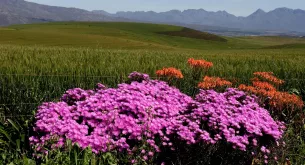








Long before rooibos appeared in cafés, supermarkets and even on tours, the plant grew wild in the Cederberg mountains of South Africa’s Western Cape.

TeaCora Rooibos/Unsplash
Origins
The Khoisan communities were the first to harvest the leaves by drying them in the sun and brewing a fragrant tea. Their knowledge of rooibos formed the foundation for a tradition that would eventually reach the world and form a big part of the local tourism industry.
European settlers discovered the naturally sweet, caffeine-free tea in the late 1700s and began using it as a substitute for costly imports. By the early 1900s small farmers were cultivating rooibos more consistently, but germination remained difficult until the 1930s. Dr Pieter Le Fras Nortier, a botanist, developed reliable seed-sprouting methods. His breakthrough turned a wild shrub into a sustainable crop and encouraged cooperative farming. By the mid-20th century rooibos was reaching Europe and the United States, where health-minded drinkers embraced it. Exports grew steadily, and by the 1990s the tea held protected geographic indication status, ensuring that only rooibos from specific South African regions could bear the name.
Tours
As rooibos’s global popularity grew, so did interest in seeing how it is grown, harvested and processed. Several farms and producers opened their gates to travellers wanting something more than a teacup.
- Rooibos Heritage Route: Established in 2012, this route links farms and producers between Nieuwoudtville and Wupperthal via Moedverloor. Tourists can visit farms, see harvesting (in season), walk the fields and learn how rooibos becomes the cups savoured around the world.
- Carmién Tea in Citrusdal: Offers guided tours, factory visits, tastings and video screenings. Visitors can tour the fields and the processing areas. During harvest season there are special experiences.
- Cederberg Tours: Daily or periodic full-day tours depart from Cape Town or Stellenbosch to the rooibos country. They include farm and packhouse visits, walks among the fields, tasting sessions, and meals with local flavour.
- House of Rooibos in Clanwilliam offers a tea room, informal tastings, a shop, and exhibits about history, health benefits and the production process.

Harvest Season
Harvest season, usually between January and March, is the time when rooibos tours are richest. Fields are alive with colour and activity. Travellers can watch curing and fermentation processes, stroll among plants full of scent, see seedling nurseries and sometimes participate in lighter tasks.
Farms like those on the Rooibos Route offer baking or cooking demonstrations using rooibos, courses on how to harvest seeds or dry leaves, and sometimes even traditional bread-making or veldkos experiences. Guides often link the tea story with that of other indigenous flora, the rock art of the San people, and local communities.
Uses beyond the teacup
Beyond farms and fields, rooibos now enriches stays, flavours and wellness sectors. Lodges and guest farms embed rooibos into their menus and treatments. Imagine cottages where rooibos tea sets greet guests, body lotions and scrubs use rooibos extract, or breakfasts that include rooibos-infused jams or syrups.
Restaurants along the Rooibos Route serve rooibos-themed dishes and pairings. Tea shops offer dozens of blends, from classic red rooibos to green, flavoured and herbal mixes. Spa treatments use its antioxidant properties within their treatments. Tea tastings combined with walks, with scenic views, have become an attractive part of the traveller’s itinerary.
Future of rooibos tourism
Rooibos has PDO, Protected Designation of Origin, status in the EU. That certification has boosted awareness across tea-drinking countries and encouraged more international travellers to visit South Africa to see where rooibos comes from. Tourism based on rooibos supports local economies, helping to preserve traditional knowledge, contributes to conservation of habitats, and encourages sustainable farming practices. New experiences are constantly sprouting to deepen the rooibos tourism offering.
Tips for planning a rooibos trip
- Visit between January and March to see harvesting in action.
- Stay in or around Clanwilliam to access the Rooibos Route, teahouses, farms and cultural sites.
- Book tours in advance, especially for factory or packhouse visits which may require appointments.
- Combine rooibos-based experiences with hikes, scenic drives, rock art trails or wildflower seasons to enrich the trip.
- Look for farms or producers offering farm-to-cup meals or tastings paired with local produce.
For those seeking something uniquely South African, rooibos experiences offer an insight into the beautiful heritage of the country’s “red gold”. It’s far more than just tea. It’s legacy.
Follow us on social media for more travel news, inspiration, and guides. You can also tag us to be featured.
TikTok | Instagram | Facebook | Twitter
ALSO READ: Tintswalo Scops Rest: A private sanctuary in Greater Kruger