



Travellers heading to the quieter northern reaches of Kruger National Park will need a little more patience. The reopening of the Letaba High-Level Bridge has been pushed back after unexpected rainfall slowed the final phase of repair work.

Source: Facebook/Kruger Magazine
According to travelnews.africa, it was originally expected to reopen on 13 March 2026. Park officials now say the important river crossing should be ready by 18 March 2026. The delay comes after construction crews lost roughly three working days due to rain during the final stages of the bridge’s rehabilitation.
For safari guides, tour operators, and self-drive visitors planning northern Kruger trips, the change affects one of the region’s most important routes.
Why the bridge matters for northern Kruger
The Letaba High-Level Bridge plays a crucial role in connecting Letaba Rest Camp and Mopani Rest Camp, two popular bases for travellers exploring the park’s northern landscape.
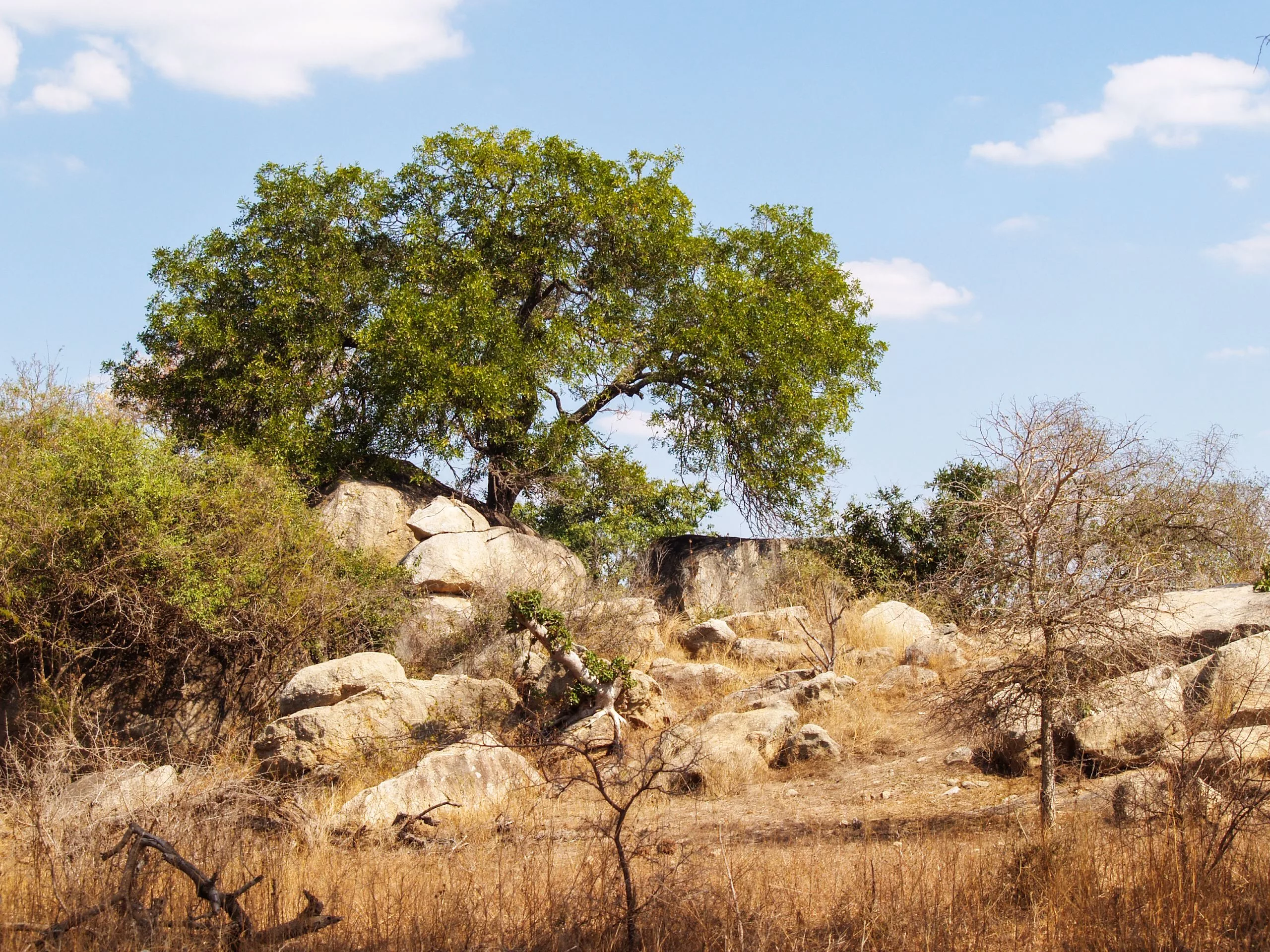
Unlike the busier southern areas of Kruger, the north offers a slower, quieter safari experience. Elephant herds often roam along the Letaba River, and the surrounding riverine forests are well known for their rich birdlife.
When the bridge is closed, access between these camps becomes more complicated, forcing visitors to rethink routes and sometimes add significant time to their drives.
That is why many Kruger regulars have been closely following updates about the reopening.
The floods that changed everything
The repairs trace back to the severe flooding that hit northern Kruger in January 2026. Heavy rains overwhelmed drainage systems and damaged multiple roads and bridges across the park.
The Letaba High-Level Bridge suffered significant structural damage during those storms. Engineers began rehabilitation soon after, working to restore the crossing safely.
South African National Parks has since deployed additional resources to speed up construction. Teams are reportedly working extended hours to finish safety checks and final repairs before the bridge can reopen to the public.
Other road closures still affecting visitors
While the Letaba bridge is nearing completion, the wider recovery effort in northern Kruger is still ongoing.
One of the biggest disruptions remains the H14 route between Phalaborwa Gate and Mopani, which is still closed due to extensive flood damage.
Several low-level bridges in the Nxanatseni region also remain under repair. These ongoing projects mean travellers entering the park through Phalaborwa Gate currently face fewer route options than usual.
Park officials are encouraging visitors to check the latest road conditions with reception before setting out on longer drives.
A step closer to normal in northern Kruger
Even with the short delay, the reopening of the Letaba High-Level Bridge will mark a major step toward restoring the park’s northern road network.
For many travellers, the region is one of Kruger’s hidden gems. Mopani offers sweeping views across Pioneer Dam, while Letaba Rest Camp is famous for its scenic river setting and the park’s well-known elephant museum.
Further north, the Shingwedzi area has already reopened after its own post-flood recovery, gradually bringing the region back to life.
Why northern Kruger is worth the extra effort
Frequent Kruger visitors often say the northern section delivers a very different kind of safari.
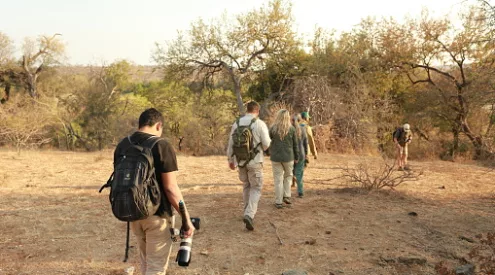
There are fewer vehicles, longer quiet roads, and wide open landscapes where wildlife sightings can feel far more intimate. Large elephant herds, excellent birding, and dramatic river systems make the area particularly special for experienced safari travellers.
With the Letaba bridge expected to reopen soon, access to this peaceful corner of Kruger should improve significantly.
For now, visitors planning northern park routes may simply need to build in a little flexibility and enjoy the journey.
Source: travelnews.africa
Follow us on social media for more travel news, inspiration, and guides. You can also tag us to be featured.
TikTok | Instagram | Facebook
ALSO READ:
Africa’s air safety improves in 2025, but accident rate remains highest regionally