



According to Travel and Tour World for South Africans dreaming of a desert adventure in Dubai or a cultural tour of Riyadh, recent developments in the Middle East have added a new layer of caution to travel plans.

Source: X{@anadoluagency}
Military strikes involving the United States, Israel, and Iran are not only heightening tensions in the region but are also rippling out to affect global travel, trade, and tourism.
Flight disruptions leave travelers in limbo
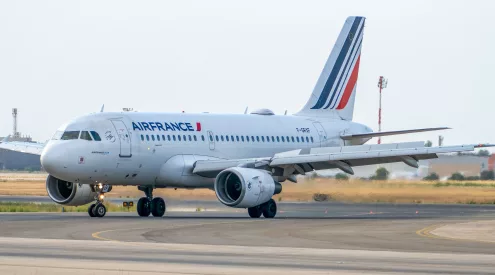
Air travel across the Middle East has been thrown into chaos. Airports in the UAE, Saudi Arabia, Qatar, and Bahrain have faced closures, with thousands of flights cancelled in recent days. Dubai International Airport, one of the world’s busiest hubs, has only resumed a limited number of flights, prioritizing existing bookings. Abu Dhabi’s Etihad Airways continues to operate mainly cargo, repatriation, and repositioning flights, leaving many travelers stranded.
South Africans heading to the region are advised to stay in close contact with airlines, monitor real-time flight updates, and avoid traveling unless their bookings are confirmed. Social media has been buzzing with photos and videos of stranded passengers and long queues at airport terminals, reflecting the human side of the crisis.
Rising costs add to travel concerns
Beyond flight cancellations, the conflict has already pushed global oil prices higher, with knock-on effects for South African travelers. Increased fuel costs are expected to make long-haul flights more expensive, while hotels, local transport, and even dining could see price surges. Tourists planning trips to Dubai, Abu Dhabi, or Doha may need to adjust their budgets and consider flexible booking options.
Strait of Hormuz: a critical chokepoint
Maritime shipping is also under pressure. The Strait of Hormuz, a crucial route for Gulf oil exports, has seen tanker traffic slow as safety fears grow. This narrow waterway carries roughly one-fifth of the world’s oil, meaning any disruption can create spikes in fuel prices globally. South African businesses relying on imports and logistics are likely to feel the pinch if tensions persist.
Prioritizing safety and staying informed
For travelers, knowledge is the best travel companion. South Africans are encouraged to check government travel advisories, embassy alerts, and airline updates before embarking on trips. Heightened airport security, customs delays, and changing flight schedules mean flexibility is essential.
Travelers should also prepare for emergency contingencies, including alternative routes or repatriation options, as governments like Germany have already begun organizing chartered flights for citizens in high-risk zones.
Planning trips with caution
While the allure of the Middle East remains strong, the current geopolitical climate demands careful planning. Travelers should budget for rising costs, monitor the situation closely, and maintain close communication with travel agents or airlines. Adjusting itineraries at short notice may be necessary, but prioritizing safety is paramount.
Adapting to uncertainty
Conflict in the Middle East isn’t just a regional issue, it’s affecting global travel, tourism, and economies. South African travelers must navigate uncertainty with caution, staying informed and flexible. By keeping abreast of developments and making contingency plans, it’s possible to enjoy travel while mitigating the risks of an increasingly volatile region.
{Source: Travel and tour world}
Follow us on social media for more travel news, inspiration, and guides. You can also tag us to be featured.
TikTok | Instagram | Facebook | Twitter