




The smoke may have cleared, but across the Western Cape, the damage is still being tallied, and it is not small.

Source: ABC News
According to novanews.co.za, after a punishing 2025 to 2026 fire season, the province’s agricultural sector is facing losses estimated at a staggering R64.8 million. Behind that number sits a quieter story of scorched orchards, damaged irrigation systems, and farmers trying to piece together what comes next.
Where the damage hit hardest
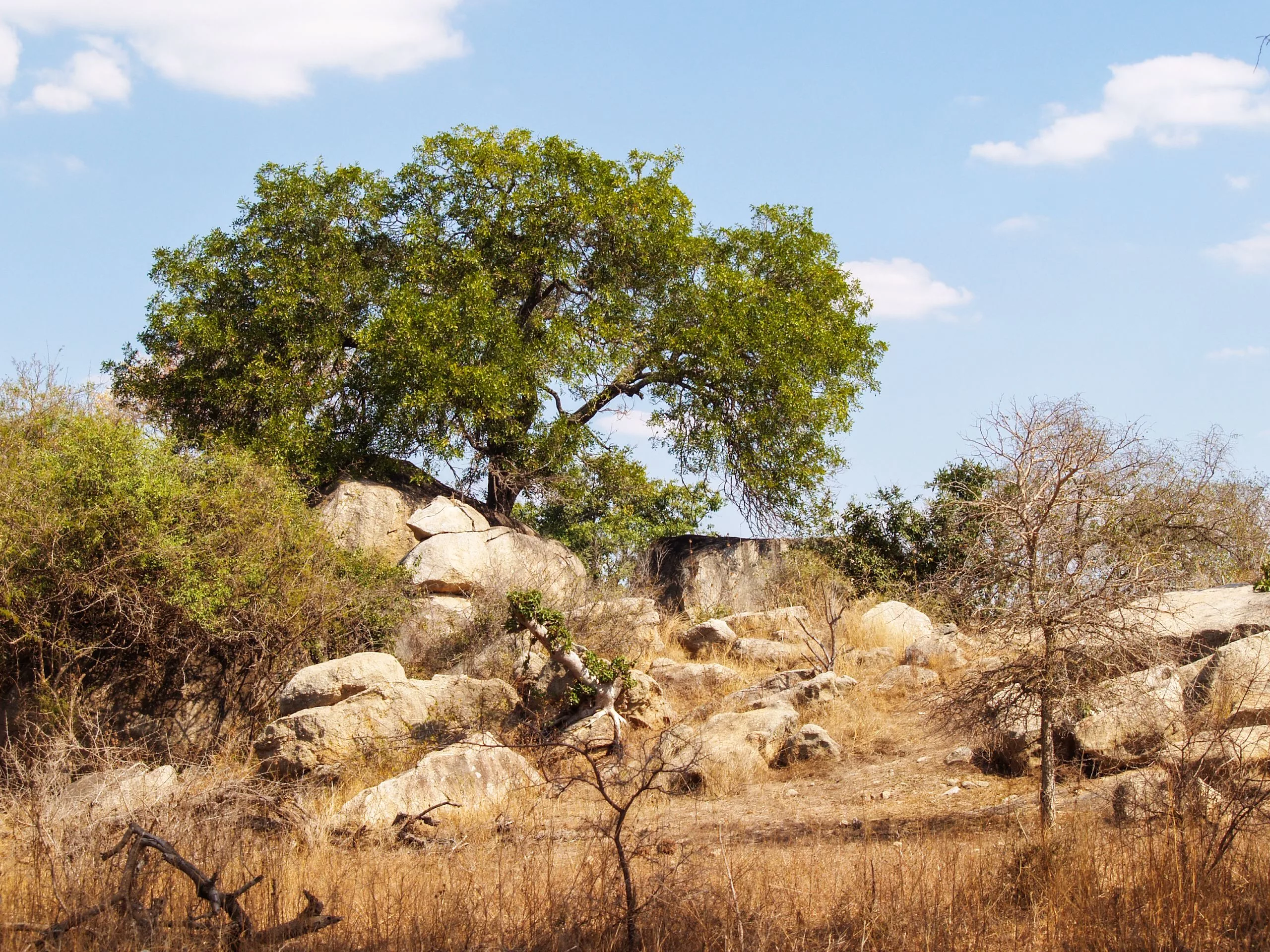
If you drove through the Overberg during peak fire season, you would have seen it first-hand. Charred hills, blackened fields, and the lingering smell of burnt vegetation. It is no surprise that this region bore the brunt, with over 81,000 hectares affected.
The West Coast followed closely, with more than 51,000 hectares burned. In the Cape Winelands, known for its vineyards and fruit farms, over 34,000 hectares were impacted. Even the Garden Route, though less affected, still saw nearly 900 hectares lost.
This is not just land on a map. These are working farms, export crops, and livelihoods.
The real cost behind the numbers
The R64.8 million figure is made up of several layers of loss.
Crop damage alone sits at nearly R30 million. That means fruit that will never be harvested, vineyards that will take years to recover, and income that simply disappears.
Infrastructure damage adds another heavy blow. Irrigation systems, fencing, storage facilities, and equipment took a hit worth over R26 million. For many farmers, this is the kind of loss that delays recovery long after the fires are gone.
Then there are the less visible costs, the R8.4 million tied up in other damages. This includes everything from soil degradation to the knock-on effects of disrupted farming operations.
A growing climate reality
There is a growing sense across farming communities that this is no longer a once-off disaster. It is becoming part of the new normal.
The link to climate change is hard to ignore. Longer dry spells, higher temperatures, and more intense fire seasons are shifting the way agriculture operates in the Western Cape. What used to be considered a bad year is now starting to look like a trend.
Local conversations, especially on farming forums and social media, reflect that anxiety. Many farmers are openly questioning how sustainable certain crops or regions will be in the next decade if fire seasons continue at this scale.
Fighting fire before it starts
One of the province’s key strategies has been tackling invasive alien vegetation. These plants burn hotter and faster, effectively turning landscapes into fuel.
The Department of Agriculture has invested R51.8 million into clearing these species, aiming to reduce fire intensity and protect farmland. It is not a quick fix, but it is one of the few long-term measures that can make a real difference.
There has also been strong collaboration with Fire Protection Associations, which play a critical role in early response and containment. In many cases, these partnerships have prevented even greater losses.
What happens next for farmers
As the Western Cape moves into the winter planting season, the focus shifts from damage to recovery. But rebuilding is rarely simple.
There is still an ongoing process to verify losses and determine what direct support farmers will receive. For many, especially smaller and emerging farmers, that support could mean the difference between continuing or closing operations.
At the same time, there is cautious optimism. The province’s proactive approach to fire management, along with increased awareness, suggests that future seasons might be better managed even if the risks remain high.
For travellers and locals alike, the Western Cape’s landscapes may look green again after winter rains. But beneath that recovery lies a deeper story of resilience, adaptation, and a farming community learning to live with fire in a changing climate.
Source: novanews.co.za
Follow us on social media for more travel news, inspiration, and guides. You can also tag us to be featured.
TikTok | Instagram | Facebook
ALSO READ:
Kruger rebounds after floods with rare safari conditions this May