
Wetlands sit quietly in the landscape, sustaining an astonishing range of life, writes Miriam Kimvangu.

Makuleke/Leon Pauleikhoff/Unsplash
Wetlands form a network of habitats that sustain biodiversity far beyond their boundaries. These lesser known examples illustrate just how vital these ecosystems are: the fragile grassland marshes of Verloren Valei Nature Reserve, the seasonal floodplains of the Makuleke Wetlands and the vast seasonal waters of the Barotse Floodplain.
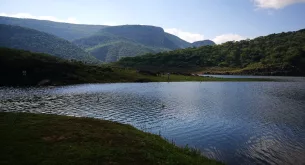
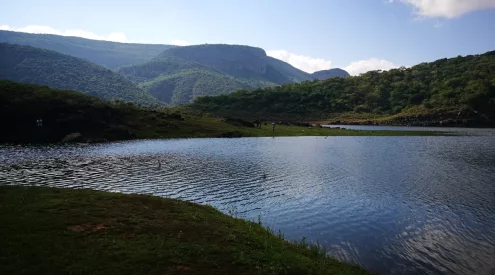
High altitude wetlands at Verloren Valei
Verloren Valei Nature Reserve protects an important network of peat wetlands and marshes that form part of the headwaters for several major river systems. These wetlands function as natural sponges. During periods of heavy rainfall they absorb water and release it slowly into downstream rivers, helping to stabilise water flow and maintain water quality. For visitors, the reserve offers a chance to observe high altitude wetland ecosystems that are becoming increasingly rare in South Africa. The landscape is characterised by rolling grasslands, reed beds and shallow pools, which together support a remarkable variety of birdlife.
One of the most notable species associated with the reserve is the critically endangered White-winged Flufftail. This elusive bird depends on dense wetland vegetation and intact marsh habitats, making protected areas like Verloren Valei essential to its survival. Other species commonly recorded in the area include the national bird of South Africa, the Blue Crane, as well as various waders and water dependent grassland birds.
Many similar highveld wetlands have been degraded by agriculture and development, highlighting the importance of preserving remaining natural systems.
ALSO READ:
The floodplain ecosystem of Makuleke
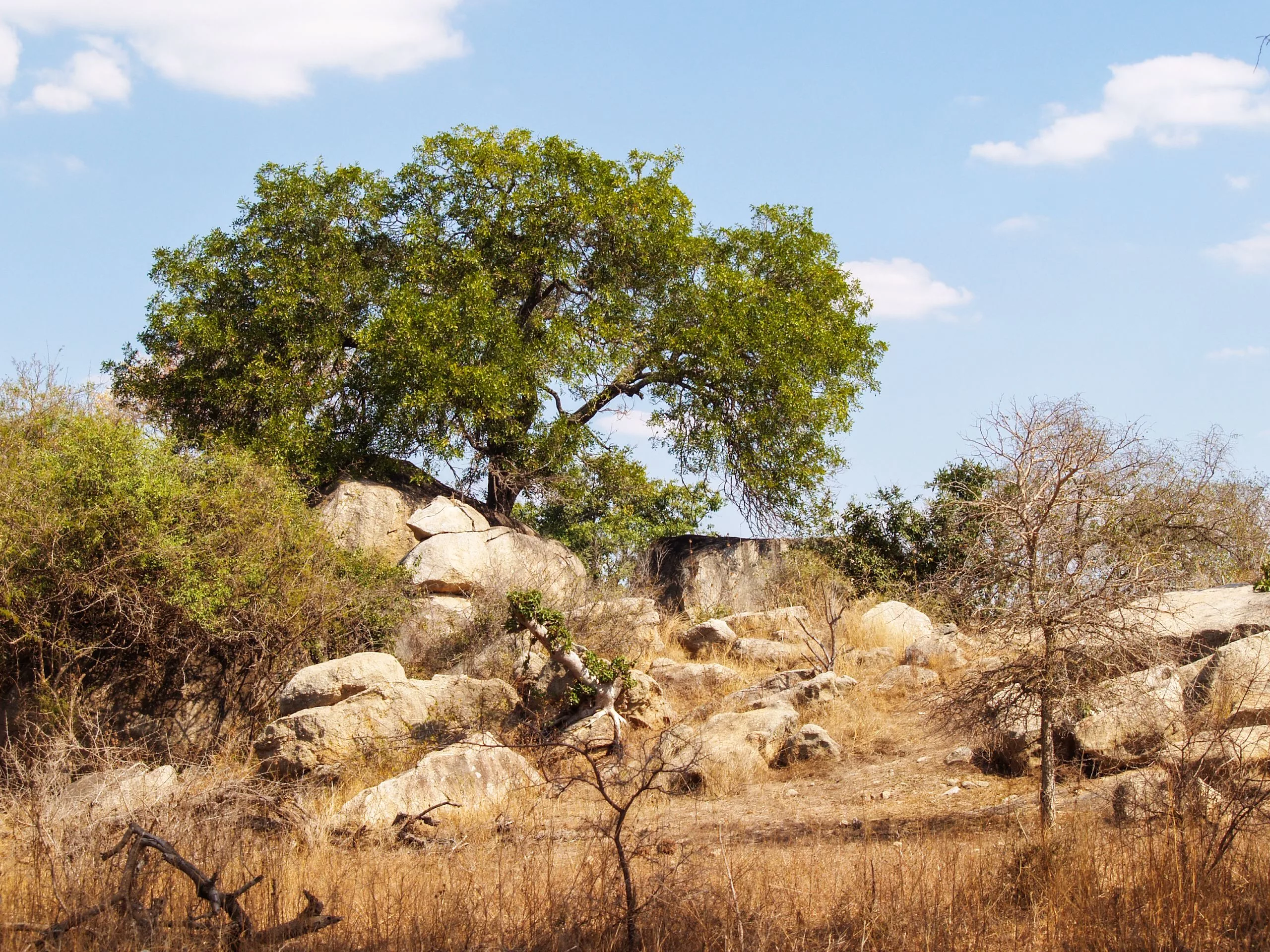
At the northernmost tip of South Africa lies the remote Makuleke region, a culturally and ecologically significant area within Kruger National Park. Here the Makuleke Wetlands form where the Limpopo and Luvuvhu rivers meet, creating a dynamic floodplain environment. Unlike permanent wetlands, this ecosystem is strongly influenced by seasonal river flooding. During the rainy season, water spreads across the low lying plains, creating shallow lagoons and temporary pools. As the floodwaters retreat, nutrient rich sediments remain behind, supporting productive grasslands and aquatic habitats.
For wildlife watchers, the Makuleke floodplains provide excellent opportunities to observe wetland birds and riverine species. The Saddle-billed Stork is one of the most striking inhabitants, recognised by its large size and distinctive bill pattern. The wetlands also attract flocks of African Openbill, which specialise in feeding on freshwater snails found in shallow waters.
The surrounding riverine forests support additional species, including the rare Pel’s Fishing Owl, a nocturnal bird that relies on healthy fish populations within the wetland ecosystem. Larger animals such as elephants and buffalo also utilise these floodplains as grazing areas during the dry season.
ALSO READ:
5 overlanding routes that showcase Southern Africa’s wilderness
The seasonal waters of the Barotse Floodplain
While some wetlands are relatively small, others operate on a much larger scale. The Barotse Floodplain is one of the most extensive floodplain systems in southern Africa. It stretches along the upper reaches of the Zambezi River and experiences dramatic seasonal flooding.
During the rainy season, the river expands across the plain, transforming the landscape into a temporary inland sea. As water levels rise, fish migrate into newly flooded channels and grasslands, creating ideal breeding conditions. When the water recedes months later, these areas become fertile grazing and farming lands. This seasonal cycle supports large numbers of waterbirds and wetland species. Among them is the vulnerable Wattled Crane, which depends on intact floodplain habitats for feeding and nesting. The area also supports colonies of African Skimmer, known for their distinctive feeding behaviour along river channels.
The floodplain also plays an important role in local culture. The annual Kuomboka Festival marks the traditional movement of the Lozi king from the flooded plains to higher ground as water levels rise. For travellers, this event offers insight into how communities have adapted to the rhythms of the floodplain for generations.
Follow us on social media for more travel news, inspiration, and guides. You can also tag us to be featured.
TikTok | Instagram | Facebook | Twitter
ALSO READ: