


Africa’s most iconic creatures — rhinos, pangolins, gorillas, elephants — face immense threats from poaching, habitat loss, and illegal wildlife trade. Yet, amid the challenges, there is hope. Tourism has become one of the most powerful tools in their protection.
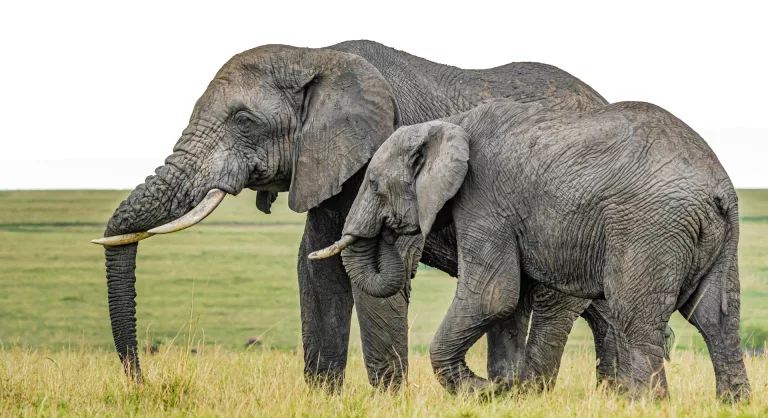
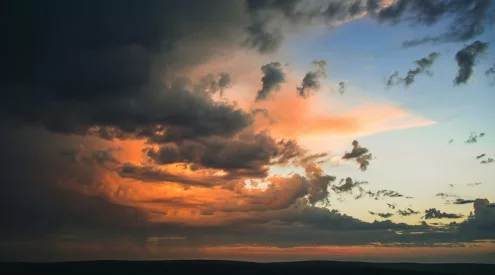
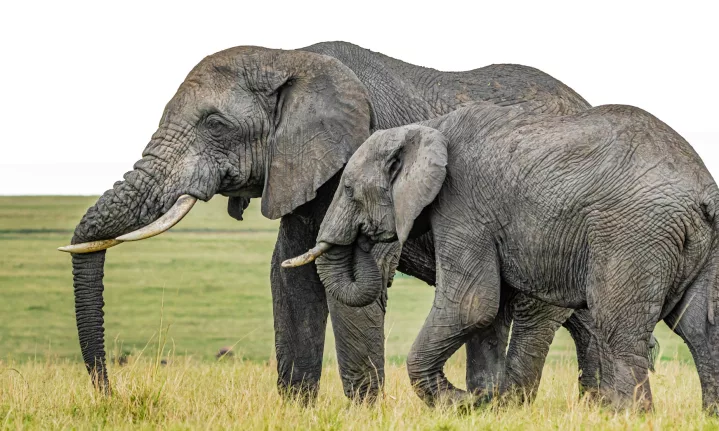
Masai Mara National Reserve, Kenya/Photos By Beks/Unsplash
When done responsibly, it not only funds conservation but also uplifts communities, safeguards habitats, and creates unforgettable experiences for travellers.
How tourism saves wildlife
Funding protection
Every gorilla trekking permit, park entry fee, and safari booking generates income. This revenue supports rangers, funds anti-poaching patrols, covers veterinary care, and enables reserves to continue their work.
Communities as guardians
When local people benefit directly — through jobs as guides, trackers, or lodge staff, or through revenue-sharing schemes — they are more invested in protecting wildlife. Many former poachers are now rangers or guides, sharing their intimate knowledge of the bush with visitors.
Safe spaces for nature
Tourism helps justify the setting aside of vast tracts of land for wildlife conservation. From savannahs to rainforests, these landscapes remain intact because they attract travellers who value them. With more eyes on the ground, animals are monitored and threats detected early.
Raising awareness
Travellers become storytellers. Those who experience the magic of a gorilla encounter or glimpse a reintroduced pangolin often return home as passionate advocates for conservation.
Species and places that inspire hope
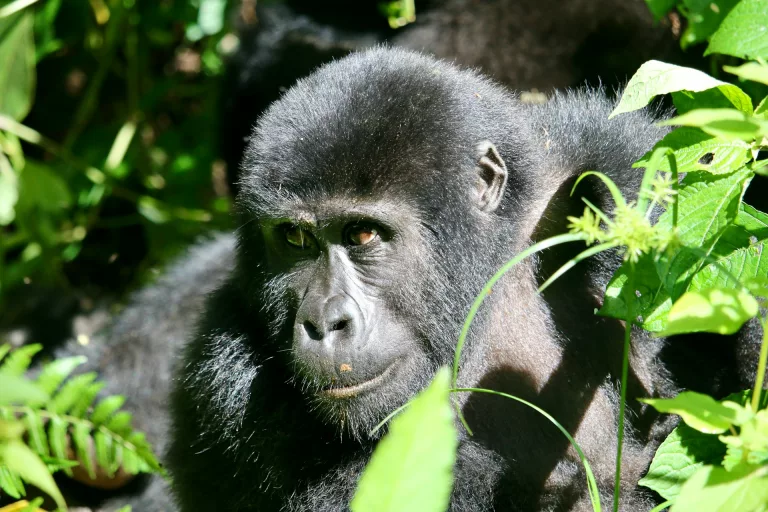
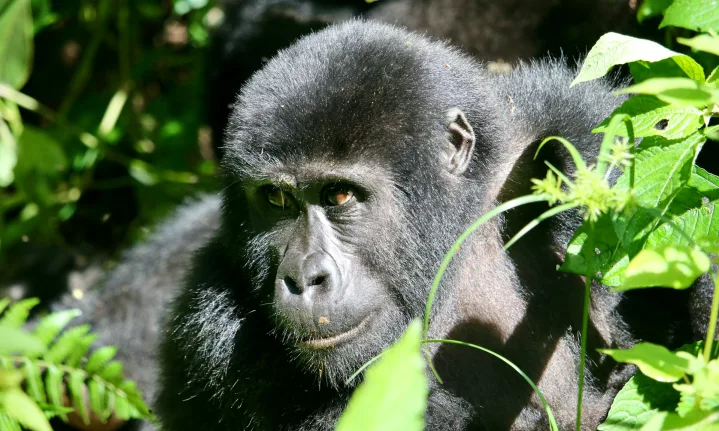
A gorilla at Bwindi Impenetrable National Park/Gabriel Schumacher/Unsplash
Mountain Gorillas in Uganda and Rwanda
Few travel experiences compare to locking eyes with a mountain gorilla in the misty forests of Bwindi or Volcanoes National Park. Trekking permits are strictly limited, ensuring minimal disturbance. The high fees go directly into protecting gorillas and supporting nearby villages. Thanks to these efforts, mountain gorillas have moved one step further from extinction.
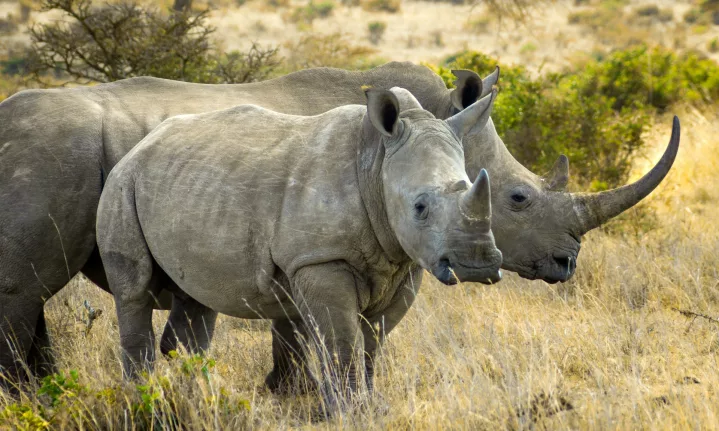
Rhinos in South Africa and Kenya
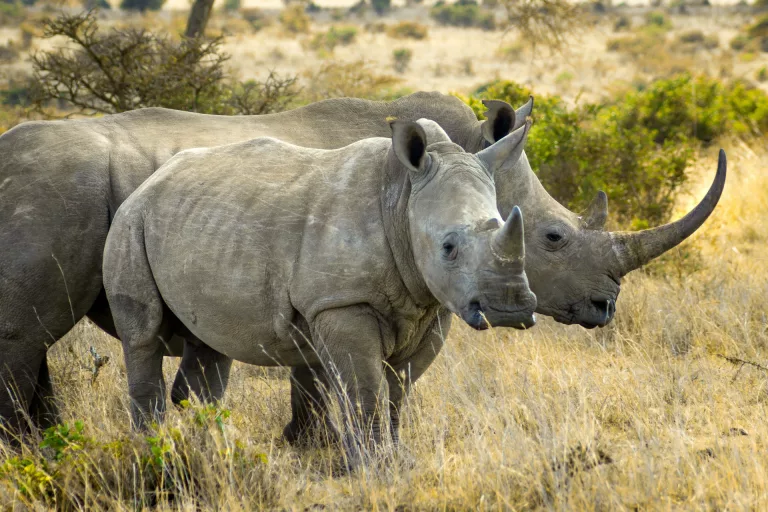
Rhinos in Kenya/Shiku Wangombe/Unsplash
Once on the brink, black and white rhino numbers are now stabilising in many reserves. At places like Ol Pejeta in Kenya or Hluhluwe-iMfolozi in South Africa, tourism funds advanced protection measures: dehorning, surveillance technology, and dedicated anti-poaching units. Each safari guest helps keep these giants safe.
Pangolins in Southern Africa
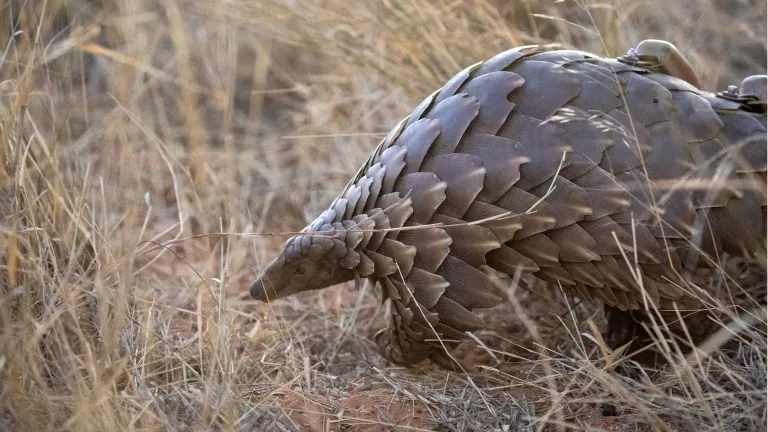
Pangolin monitoring in the Kalahari/WildlifeConservationist/Wikimedia Commons
Often called “scaly anteaters,” pangolins are among the most trafficked mammals in the world — yet also the most mysterious. Sanctuaries and reserves in South Africa and Zimbabwe are now reintroducing them into the wild. Some lodges even offer the chance to join researchers as they track pangolins at night — a rare privilege that supports ongoing rehabilitation work.
The traveller’s role
Tourism’s power lies in the choices travellers make. High-value, low-volume experiences — such as gorilla trekking or private reserve safaris — mean fewer people on the ground, less impact, and more money channelled into conservation. Choosing lodges and tour operators that invest in communities ensures that benefits are fairly shared, reducing the lure of poaching.
And while the thrill of a close encounter is unforgettable, responsible guidelines are crucial: keeping a safe distance, wearing masks around great apes, and respecting the rules that protect wildlife.
Why it matters
Without tourism, many parks and reserves would struggle to survive. But with it, Africa’s most threatened species are finding a lifeline. Each gorilla trek, each rhino safari, each rare pangolin sighting tells a bigger story: one where travellers are not just observers, but active participants in conservation.
For those planning their next adventure, Africa offers more than landscapes and wildlife spectacles. It offers the chance to play a role in saving some of the planet’s most extraordinary creatures. By choosing wisely and travelling responsibly, visitors can ensure that the heartbeat of Africa’s wilderness continues to echo — for rhinos, pangolins, gorillas, and for generations yet to come.
Follow us on social media for more travel news, inspiration, and guides. You can also tag us to be featured.
TikTok | Instagram | Facebook | Twitter
ALSO READ: 7 walking trails that put conservation first