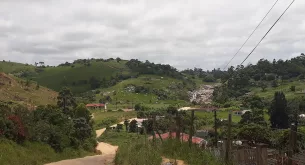
The Wild Coast is known for it’s rugged beaches and rolling green hills, but Dwesa-Cwebe offers another reason to explore the Eastern Cape. Here, coastal forests, grasslands and river systems meet the Indian Ocean, creating a landscape rich in biodiversity.
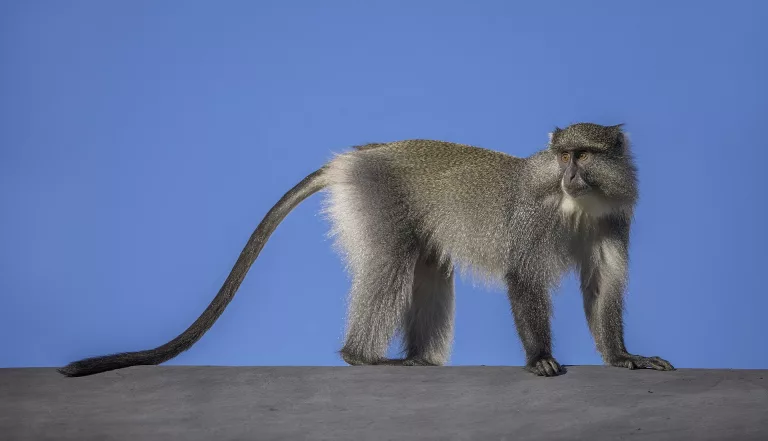
Samango monkey / Charles J. Sharp / Wikimedia Commons
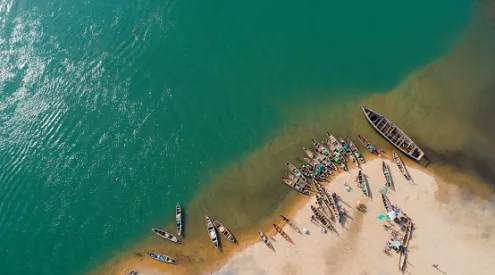
The reserve comprises two sections, Dwesa and Cwebe, on either side of the Mbashe River. Together, they protect a stretch of coastline where indigenous forest, river habitats and marine ecosystems meet.
For travellers who prefer nature and outdoor exploration to busy holiday attractions, there is plenty to discover, from forest trails and birdwatching to coastal viewpoints and quiet riverbanks.
Exploring the coastal forests
Dwesa-Cwebe protects patches of indigenous coastal forest alongside grasslands and wetlands. These habitats support wildlife such as blue duiker, bushbuck and Samango monkeys.
Exploring on foot offers the chance to spot birds moving through the canopy and notice how the vegetation changes along the forest paths. For ocean views, head to Kobole Point, where the grassy viewpoint overlooks the Indian Ocean. Whales and dolphins are often spotted offshore. Mendu Point is another worthwhile coastal stop.
A destination for birdwatchers
With more than 200 recorded bird species, Dwesa-Cwebe is a rewarding destination for birdwatching. It’s mix of coastal forest, mangroves, grassland and river habitats attracts both resident and seasonal species.
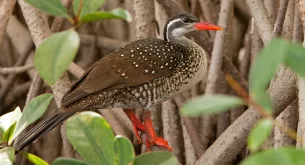
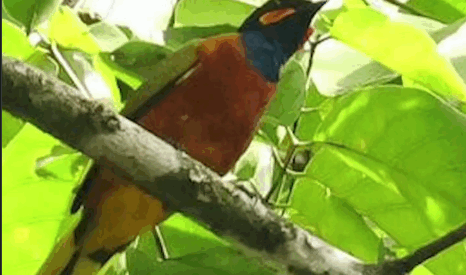
Forest birds include the Narina trogon, Knysna turaco, Knysna woodpecker and spotted ground thrush. In the mangroves, look for the mangrove kingfisher, which is best seen during summer. BirdLife South Africa notes that the species is particularly vocal between September and April, making it easier to locate.
The quieter river stretches are good places to look for African finfoot and half-collared kingfisher. The forest around the Dwesa office, chalets and campsite is also worth exploring.
Where the river meets the sea
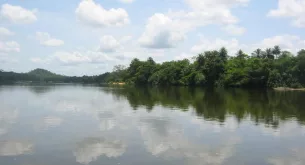
The Mbashe River Estuary is an important part of the Dwesa-Cwebe Marine Protected Area. Covering 191.5km², the protected area extends 10.8km offshore along 18km of coastline.
The estuary provides nursery habitat for juvenile dusky kob, while the wider protected area includes a spawning ground for endangered white steenbras.
Fishing is subject to restrictions. Boat-based fishing is prohibited within the marine protected area, while shore fishing is limited to designated open areas. Visitors should check the latest regulations with the reserve before making plans.
A coastline with a complicated history
Dwesa-Cwebe’s story is closely connected to the communities who have long depended on it’s land, forests and sea. Seven neighbouring communities lodged a land restitution claim in 1996 following their dispossession. A settlement agreement was signed in 2001, restoring the claimed land to the communities through the Dwesa-Cwebe Land Trust. It also recognised community access to sea and forest resources, subject to sustainable use and the law.
Disputes over conservation rules and customary fishing rights continued. In 2018, the Supreme Court of Appeal ruled in favour of members of the Hobeni community in a case concerning their customary fishing rights. The judgment confirmed that these rights had not simply been extinguished by the creation of the marine protected area.
The history adds an important dimension to the landscape. Dwesa-Cwebe is not simply a conservation area; it is also a place where environmental protection, community livelihoods and land rights remain closely connected.
Things to do and where to stay
Hiking, forest walks, birdwatching, swimming, cycling and camping are among the activities available. Other places to explore include Mbanyana Falls on the Cwebe side, the Mbashe River Estuary, Kobole Point and Mendu Point. The O’Bell shipwreck site, where a vessel ran aground in 1916, is another point of interest.
At Dwesa, accommodation options include self-catering forest chalets, a forest house and a campsite. The Haven Hotel offers an alternative on the Cwebe side. Check directly with the establishments or the Eastern Cape Parks and Tourism Agency for current availability and bookings.
Dwesa-Cwebe is remote, so arrive prepared. There are no fuel stations or shops at the reserve, and visitors should bring the supplies they need. Road conditions can vary, so check access arrangements before travelling. If you plan to visit both sections, remember that the shortest route between them requires a guide; the alternative involves a much longer drive around.
For travellers looking beyond the better-known Wild Coast stops, Dwesa-Cwebe offers the chance to explore coastal forest, river and sea in one setting. It’s natural diversity is reason enough to visit, but understanding the communities and history connected to this landscape makes the experience more meaningful.
Travel note: Access arrangements, accommodation availability and activity regulations can change. Contact the Eastern Cape Parks and Tourism Agency before travelling to confirm the latest information.
Follow us on social media for more travel news, inspiration, and guides. You can also tag us to be featured.
Instagram | Facebook | Twitter | Spotify
ALSO READ: