




Winter has a way of transforming the Cederberg. After the first rains, the rugged sandstone mountains take on richer colours, seasonal streams begin to flow, and crisp mornings replace the intense summer heat.

The Cederberg Wilderness Area, South Africa/By: Chiara Salvadori/Getty Images
Just over two hours from Cape Town, this spectacular corner of the Western Cape offers everything needed for a memorable winter escape, from scenic mountain drives and rewarding hikes to ancient San rock art, fragrant rooibos farms and star-filled skies.
Whether you’re planning a weekend away or a leisurely three-day road trip, winter is one of the best times to experience the Cederberg at a slower pace. Here’s how to make the most of the journey.
Start your journey in Clanwilliam
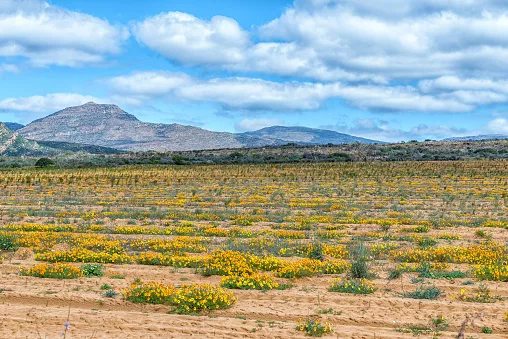
Wild flowers in a rooibos tea field near Clanwilliam/By: GroblerduPreez/Getty Images
Discover the home of rooibos tea
Most road trips into the Cederberg begin in the historic town of Clanwilliam, a relaxed gateway surrounded by mountains and rooibos plantations. It’s worth spending a few hours here before heading deeper into the wilderness.
Rooibos is synonymous with the region, and for good reason. The Cederberg is the only place in the world where rooibos grows naturally. Many local farms and tea shops offer tastings where visitors can learn how the leaves are harvested, fermented and brewed before enjoying a warm cup overlooking the surrounding landscape.
Take time to wander through the town’s historic streets, browse local craft stores or enjoy breakfast at one of the welcoming cafés before stocking up on snacks and fuel for the drive ahead.
Take the scenic route into the mountains
Every bend reveals another spectacular view
One of the greatest pleasures of a Cederberg road trip is simply driving through the landscape. Towering sandstone cliffs, unusual rock formations and winding mountain roads make every kilometre memorable.
Winter adds another dimension. Recent rainfall brings patches of green to the valleys; waterfalls begin trickling down rock faces, and the clean air creates exceptional visibility for photographers.
Plan extra time for frequent stops. Many viewpoints along the route offer sweeping panoramas that look even more dramatic beneath winter clouds.
ALSO READ:
Hike highlight: The hike that humbled me (but I’d do it again)
Explore the Cederberg on foot
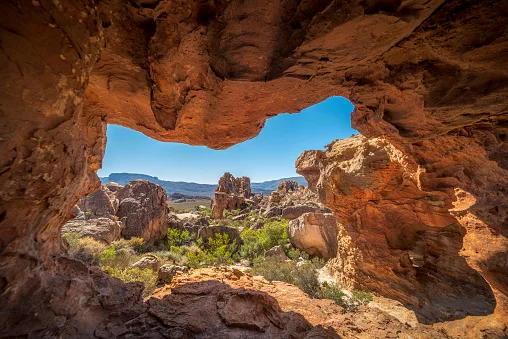
The Stadsaal Caves/By: Chiara Salvadori/Getty Images
Cooler weather makes hiking even better
The Cederberg is one of South Africa’s premier hiking destinations, and winter’s mild daytime temperatures make long walks far more comfortable than during the scorching summer months.
There are trails for every fitness level, from gentle nature walks to full-day adventures.
Some of the region’s most popular hikes include:
- Wolfberg Arch, a rewarding route leading to one of the Cederberg’s most iconic rock formations.
- Wolfberg Cracks, a more adventurous scramble through narrow sandstone passages.
- Maltese Cross, famous for its striking natural rock pillar.
- Algeria Forest Station trails, offering shorter walks through fynbos and mountain scenery.
- Stadsaal Caves, where fascinating rock formations meet ancient cultural heritage.
Remember to carry plenty of water, wear sturdy hiking shoes and check weather conditions before setting out.
Step back in time at ancient San rock art sites
Discover stories painted thousands of years ago
The Cederberg holds one of the richest collections of San rock art in southern Africa. These remarkable paintings offer insight into the lives, beliefs and traditions of the region’s first inhabitants.
The Sevilla Rock Art Trail is among the most accessible places to view these artworks, with a relatively easy walking route connecting several well-preserved sites. Stadsaal Cave and Truitjieskraal are also popular stops for visitors interested in the area’s cultural heritage.
When visiting, remember that these paintings are incredibly fragile. Never touch the rock surfaces or use flash photography where discouraged, helping preserve them for future generations.
Stay somewhere that embraces winter
Cosy accommodation is part of the experience
After a day spent exploring, few things compare to returning to a warm cottage while temperatures drop outside.
The Cederberg offers accommodation for every style of traveller, including charming farm cottages, luxury wilderness lodges, riverside cabins and secluded self-catering retreats tucked among the mountains.
Many properties feature wood-burning fireplaces, outdoor braai areas and uninterrupted mountain views, making them ideal for slow winter evenings with a good book or a glass of local wine.
If you’re travelling during weekends or school holidays, booking ahead is recommended.
Look up after dark
Experience some of South Africa’s clearest night skies
As daylight fades, the Cederberg reveals another of its greatest attractions.
Far from city lights, the region boasts exceptionally dark skies that make stargazing a highlight of any visit. On clear winter nights, countless stars stretch across the sky, with the Milky Way often visible to the naked eye.
Bring binoculars or a camera if you enjoy astrophotography, or simply settle beside the fire and appreciate the quiet that makes this wilderness so special.
Add these experiences to your itinerary
Don’t rush through the region
While hiking often takes centre stage, there are plenty of other ways to enjoy the Cederberg.
Make time to:
- Taste locally produced rooibos tea.
- Visit small farm stalls for homemade jams, preserves and baked goods.
- Photograph the dramatic sandstone formations at sunrise or sunset.
- Watch for Verreaux’s eagles soaring above the cliffs.
- Explore seasonal waterfalls after winter rainfall.
- Enjoy leisurely picnics surrounded by fynbos.
- Browse locally made crafts and artwork.
- Take a scenic drive simply for the spectacular views.
Plan before you go
Winter travel tips
Although winter is one of the best times to visit, a little preparation will help ensure a smooth trip.
Pack warm clothing for chilly evenings, along with waterproof layers in case of rain. Comfortable walking shoes are essential if you plan to hike, while offline maps are useful as mobile reception can be limited in remote areas.
Fill your fuel tank before entering the mountains, especially if you plan to explore gravel roads, and check road conditions after periods of heavy rainfall.
Why winter is the perfect time to visit
Summer showcases the Cederberg’s dramatic landscapes, but winter reveals its quieter character. Cooler temperatures encourage longer hikes, fresh rainfall breathes life into the valleys, and cosy evenings invite travellers to slow down and appreciate the region’s natural beauty.
From sipping freshly brewed rooibos beside a crackling fire to standing beneath one of South Africa’s clearest night skies, the Cederberg offers the kind of winter road trip that lingers long after you’ve returned home. If you’re looking for an escape that combines adventure, heritage and tranquillity, this Western Cape gem deserves a place on your travel list.
Follow us on social media for more travel news, inspiration, and guides. You can also tag us to be featured.
Instagram | Facebook | Twitter | Spotify
ALSO READ:
6 World Cup destinations where South Africans will feel surprisingly at home